Results.
on this Page
Intro
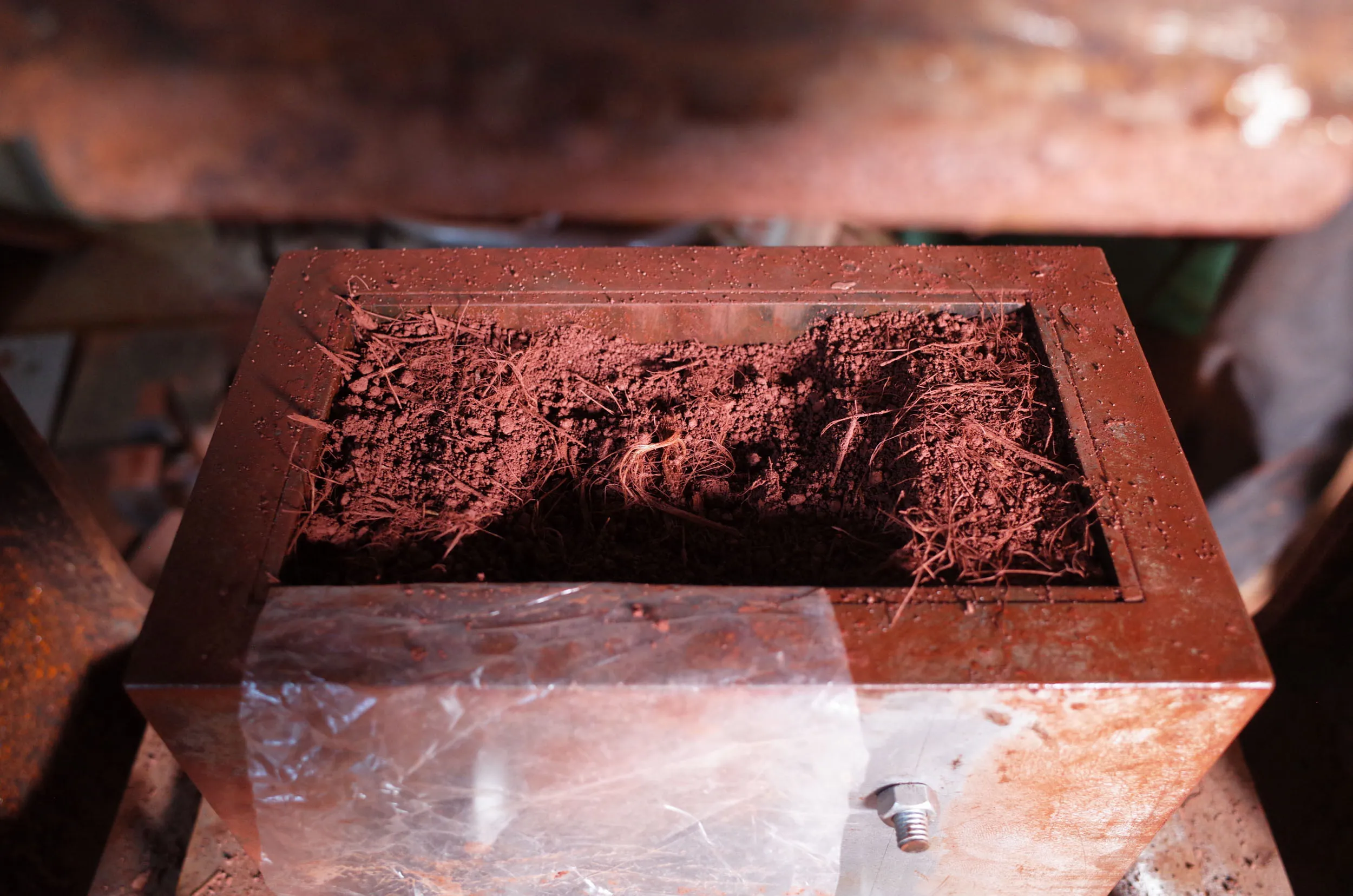
The results presented here draw on soil sampling, laboratory analysis, and compressed earth block testing carried out across the seven research sites. While preliminary soil investigations established a comparative framework across the sites, controlled compressed earth block (CEB) experiments and architectural prototyping focused on Cao Phong at this stage.
The results reflect both the measurable performance of local materials and the broader patterns that emerge when soil, fiber, and biopolymer knowledge is mapped across Vietnam.
They are organized by test category and cross-referenced with site-specific data, so that the soil of each site can be read independently and in relation to the wider atlas.
Soil Test Results
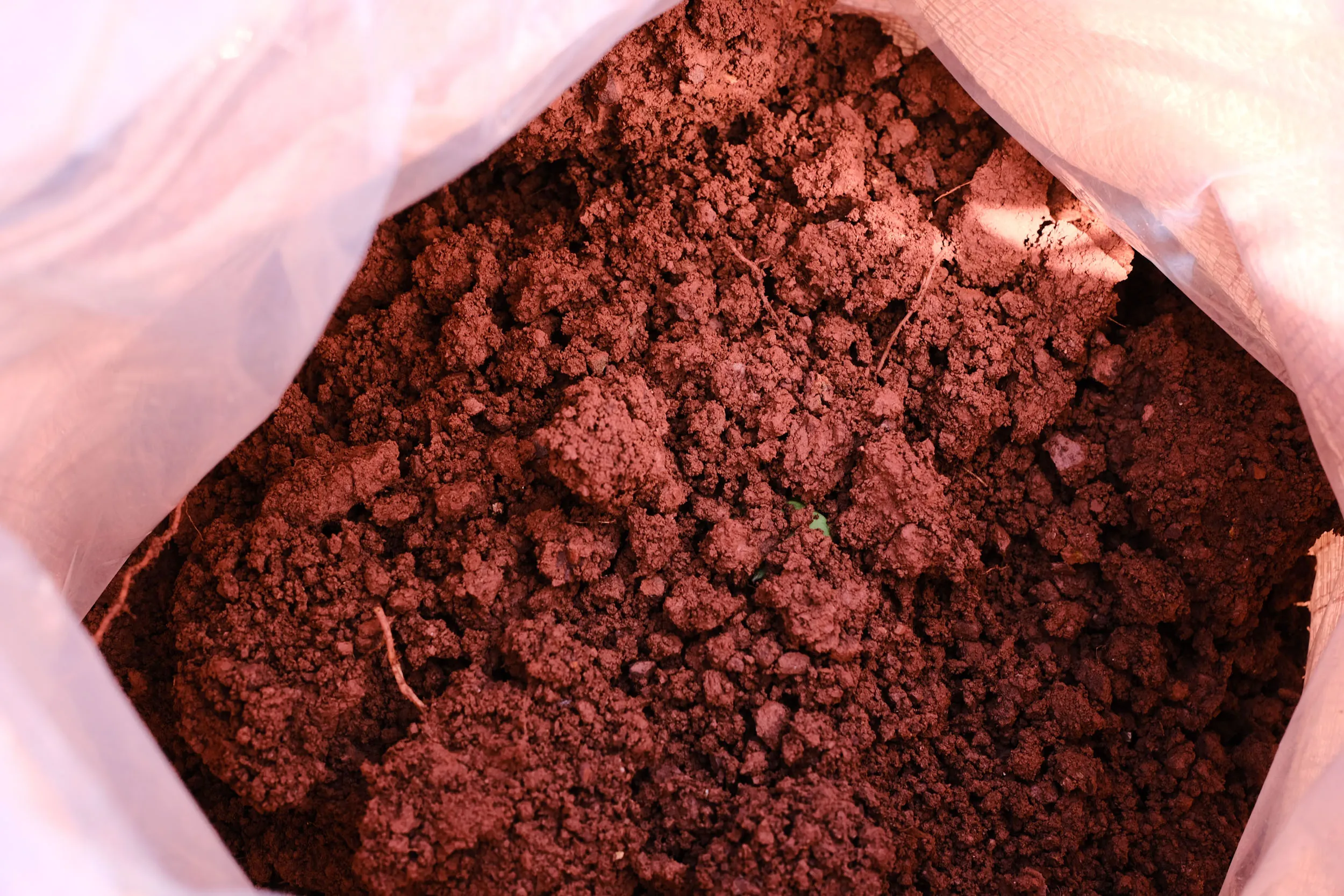
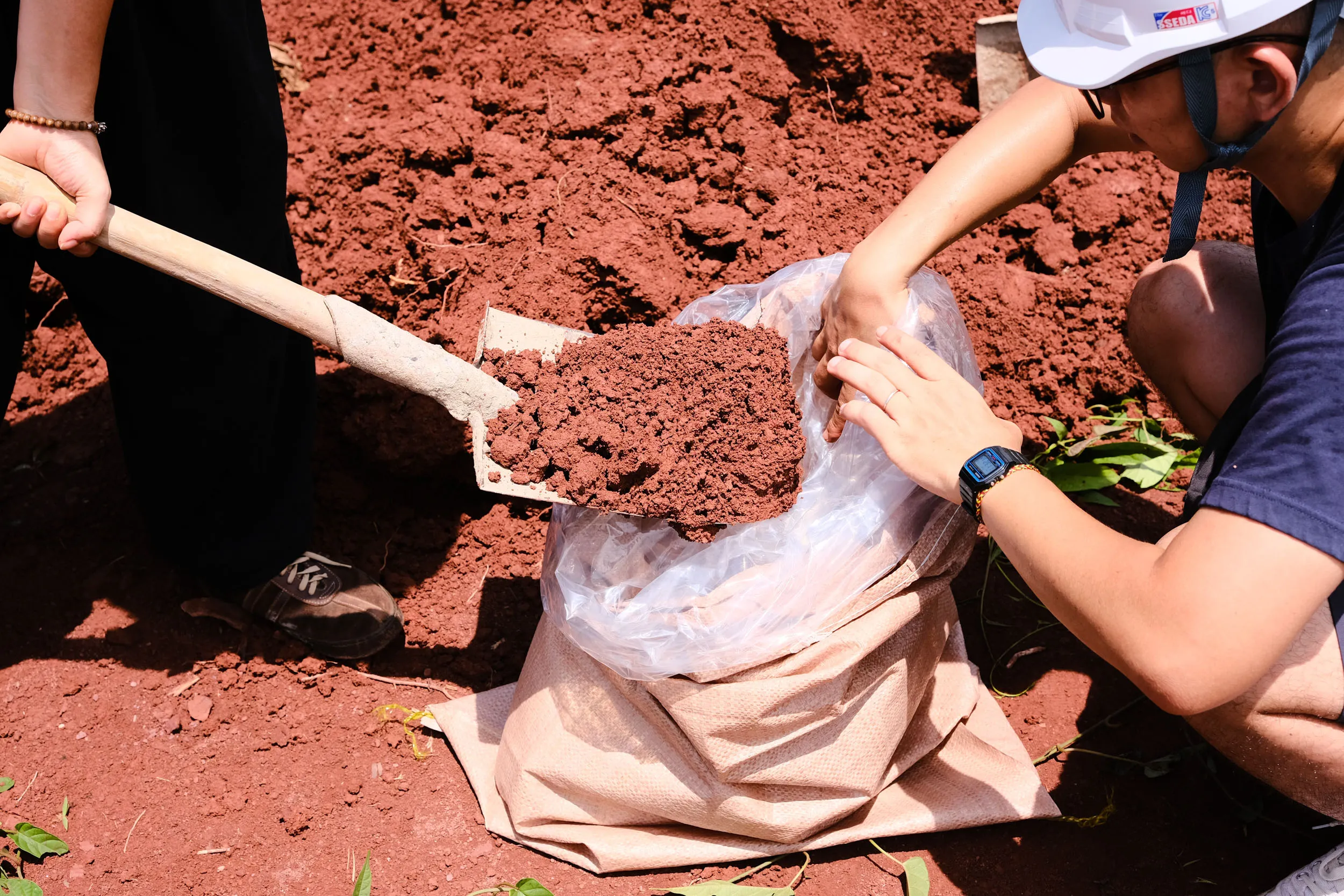
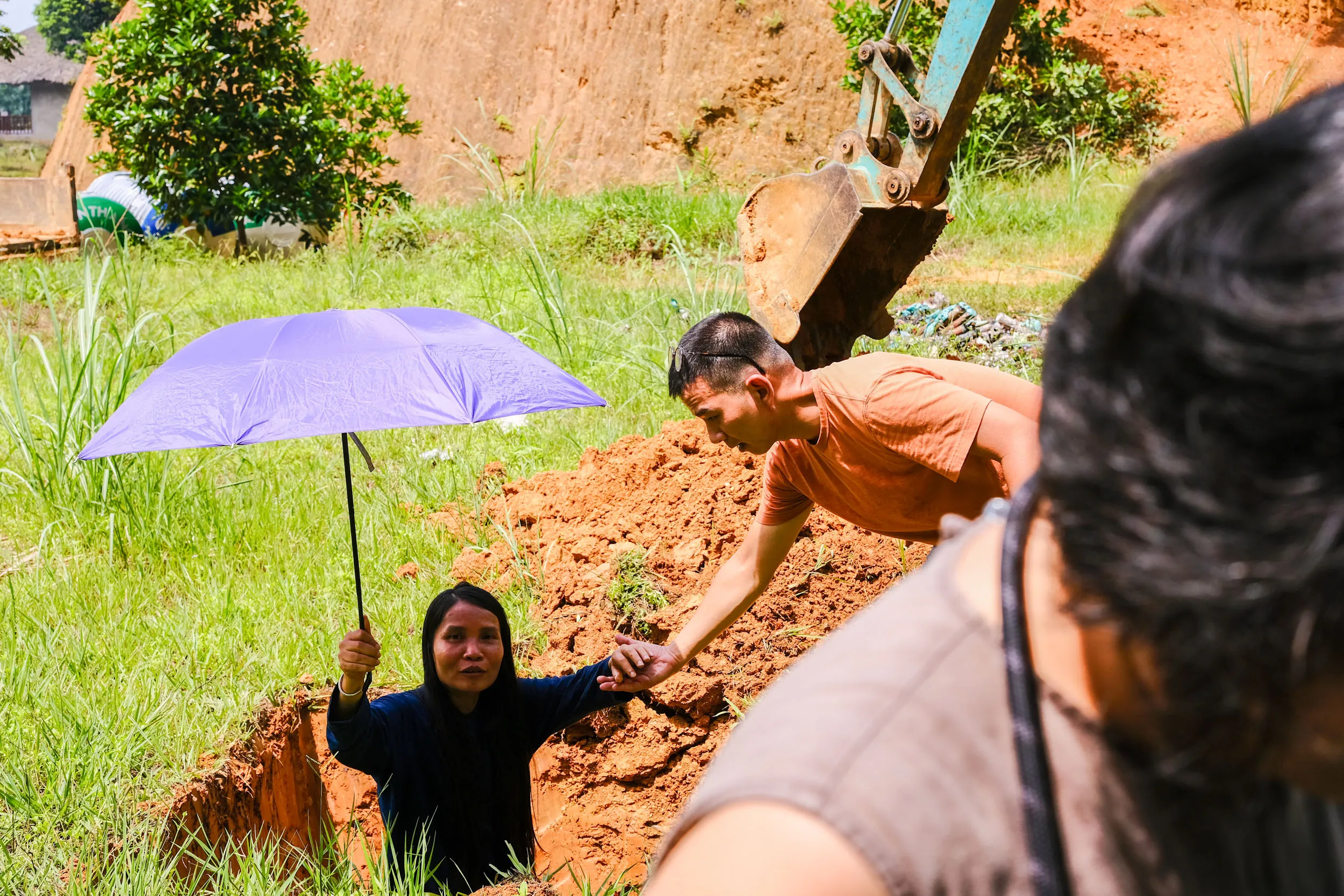
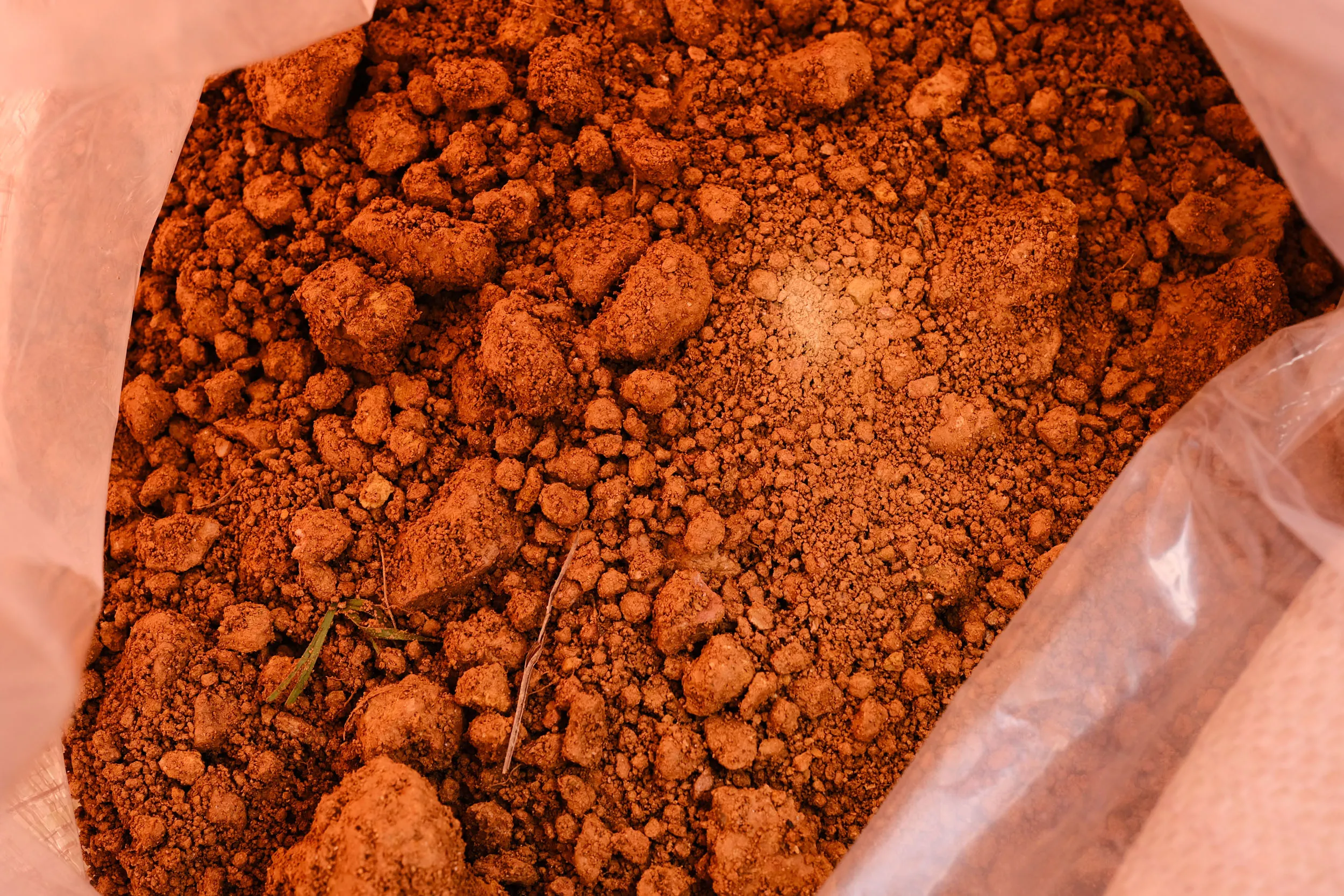
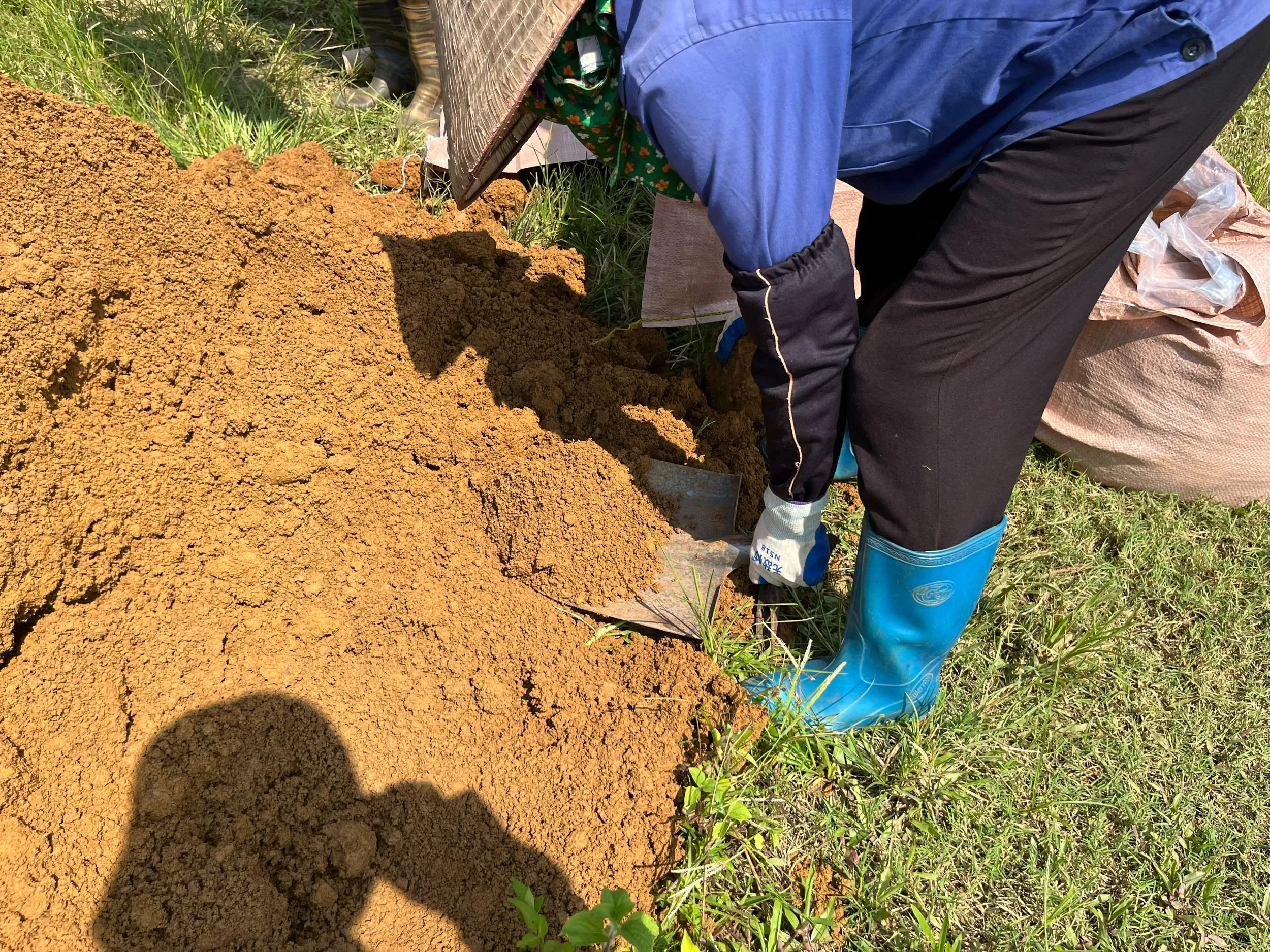
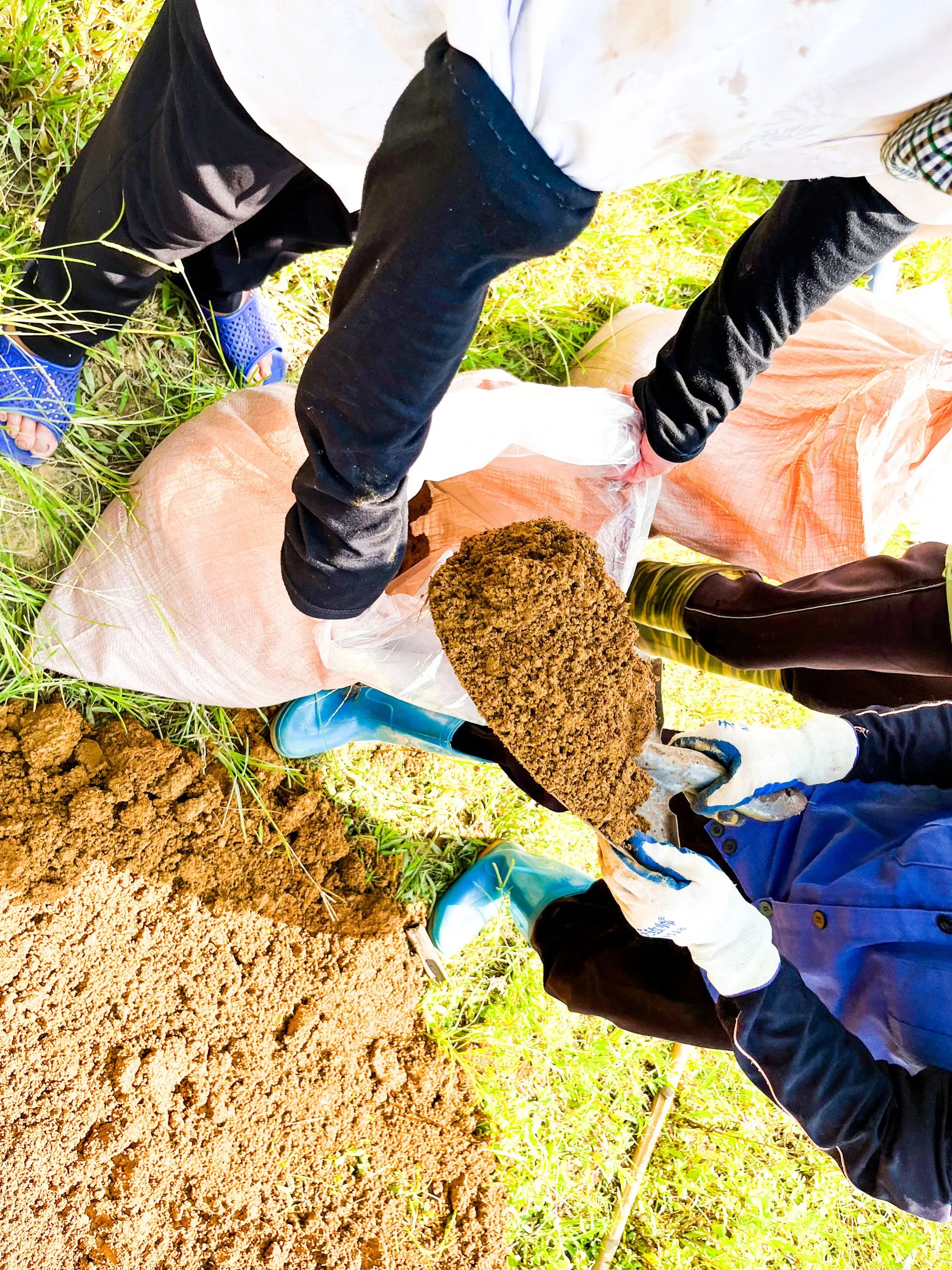
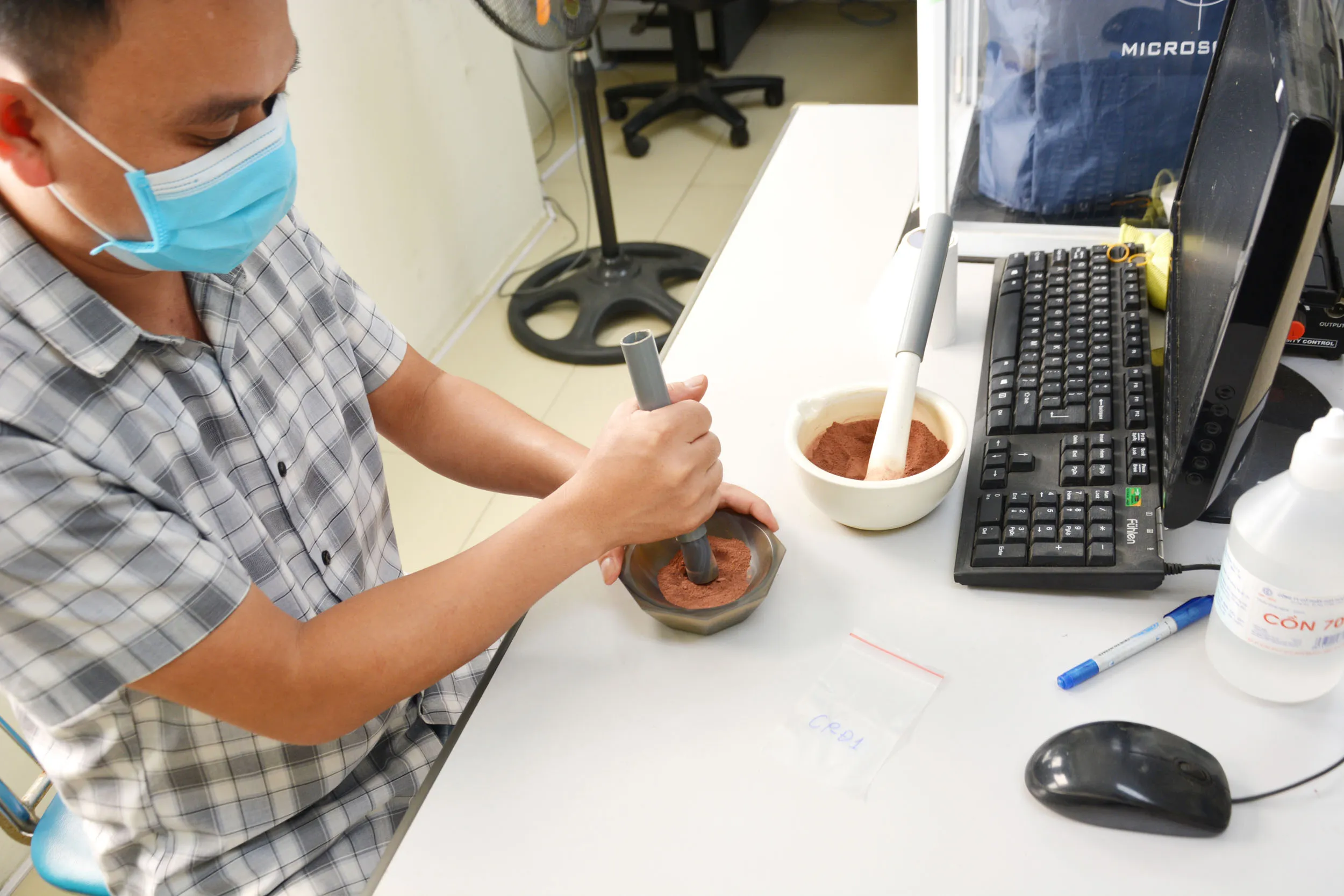
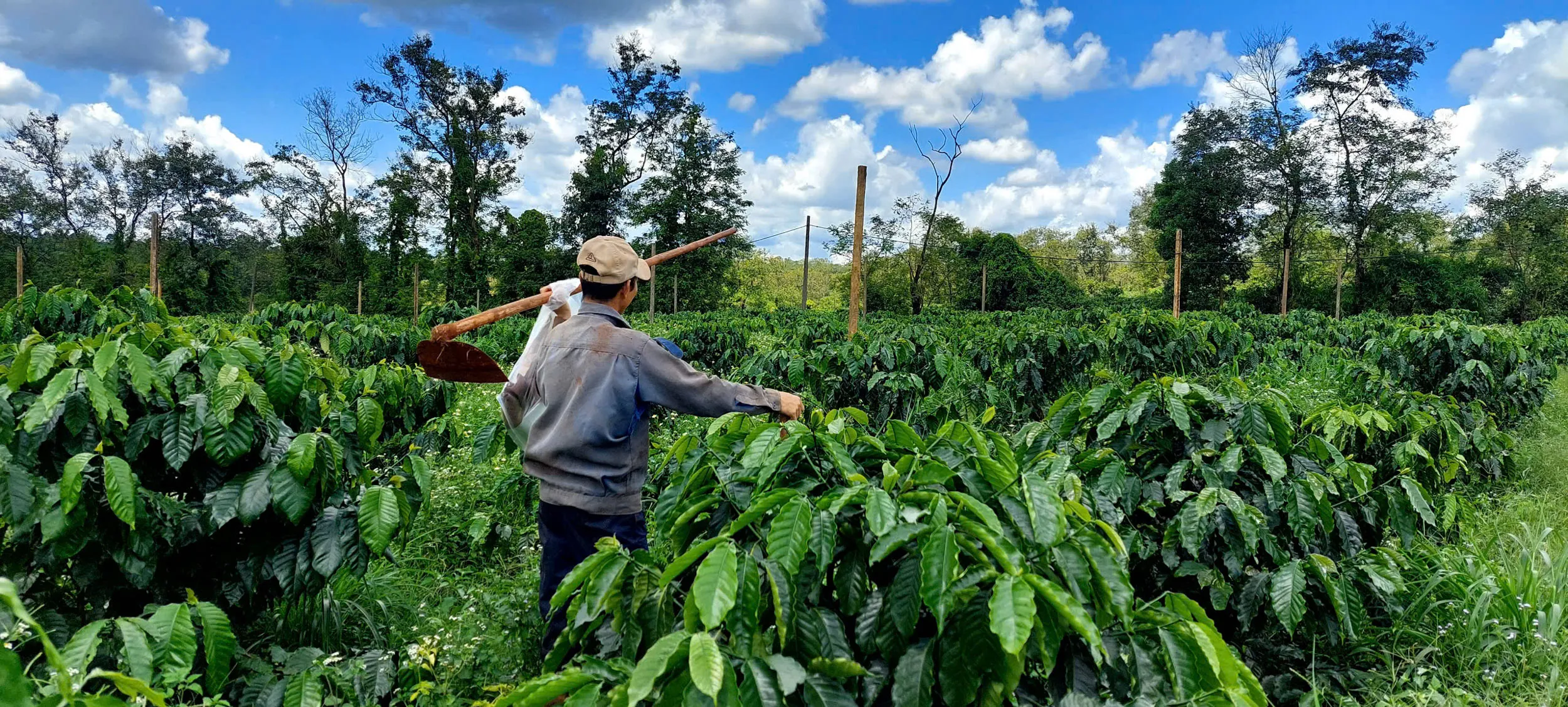
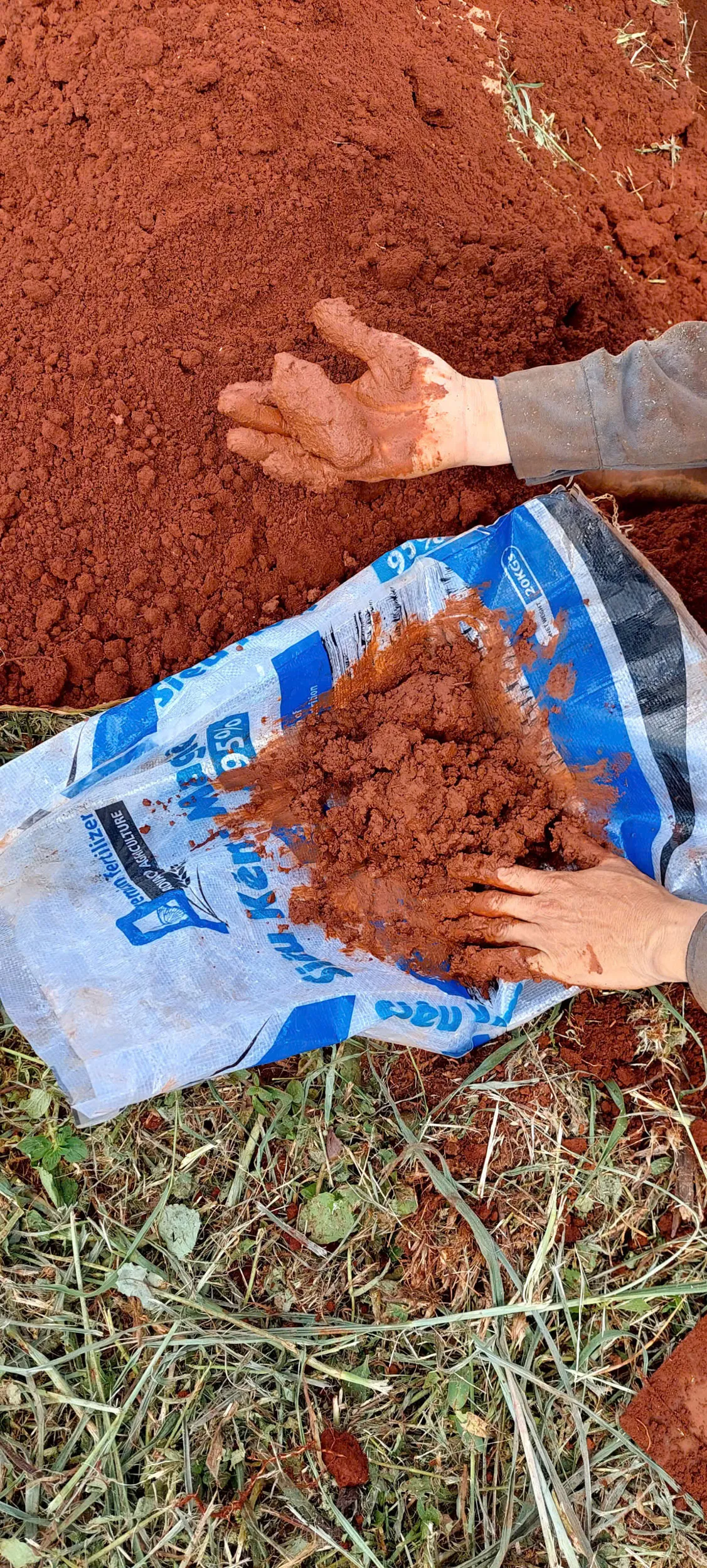
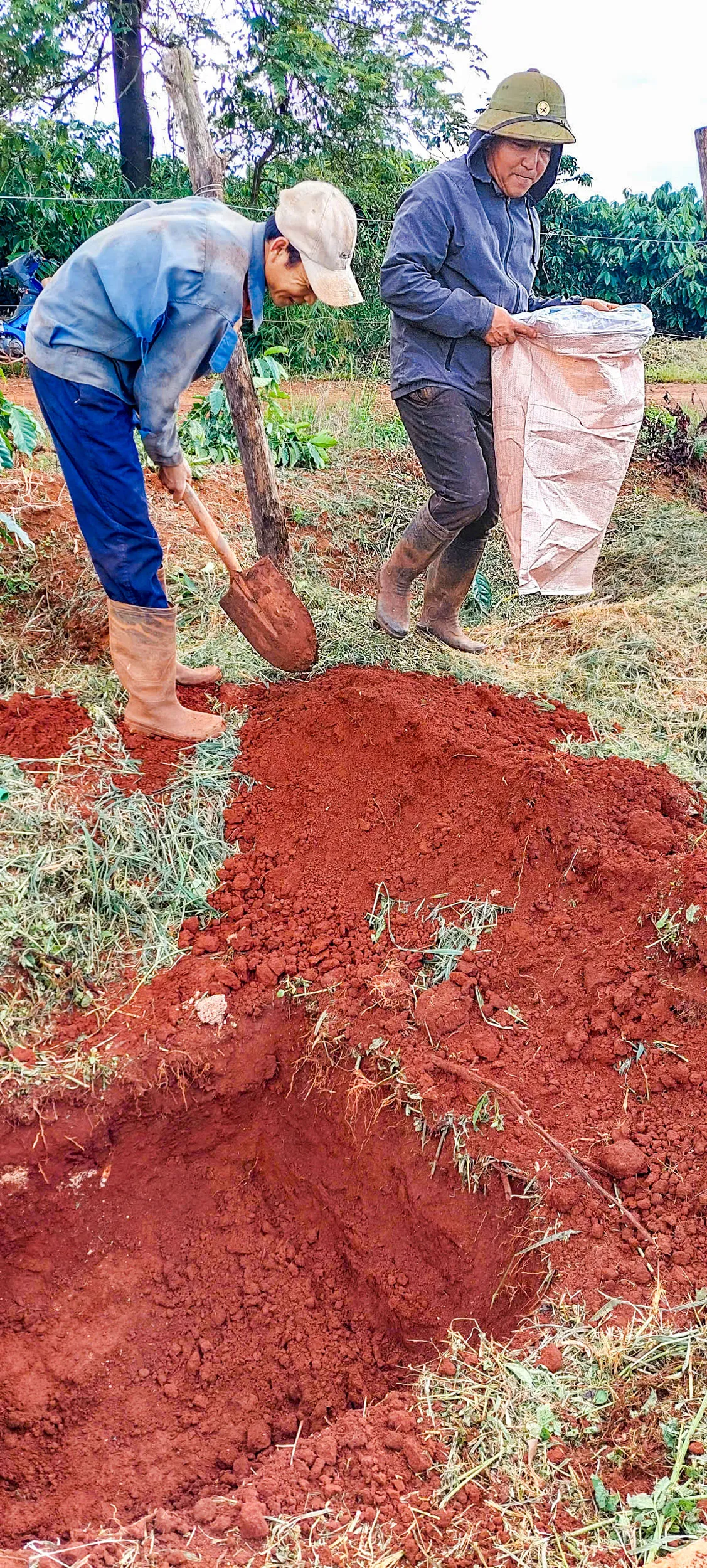
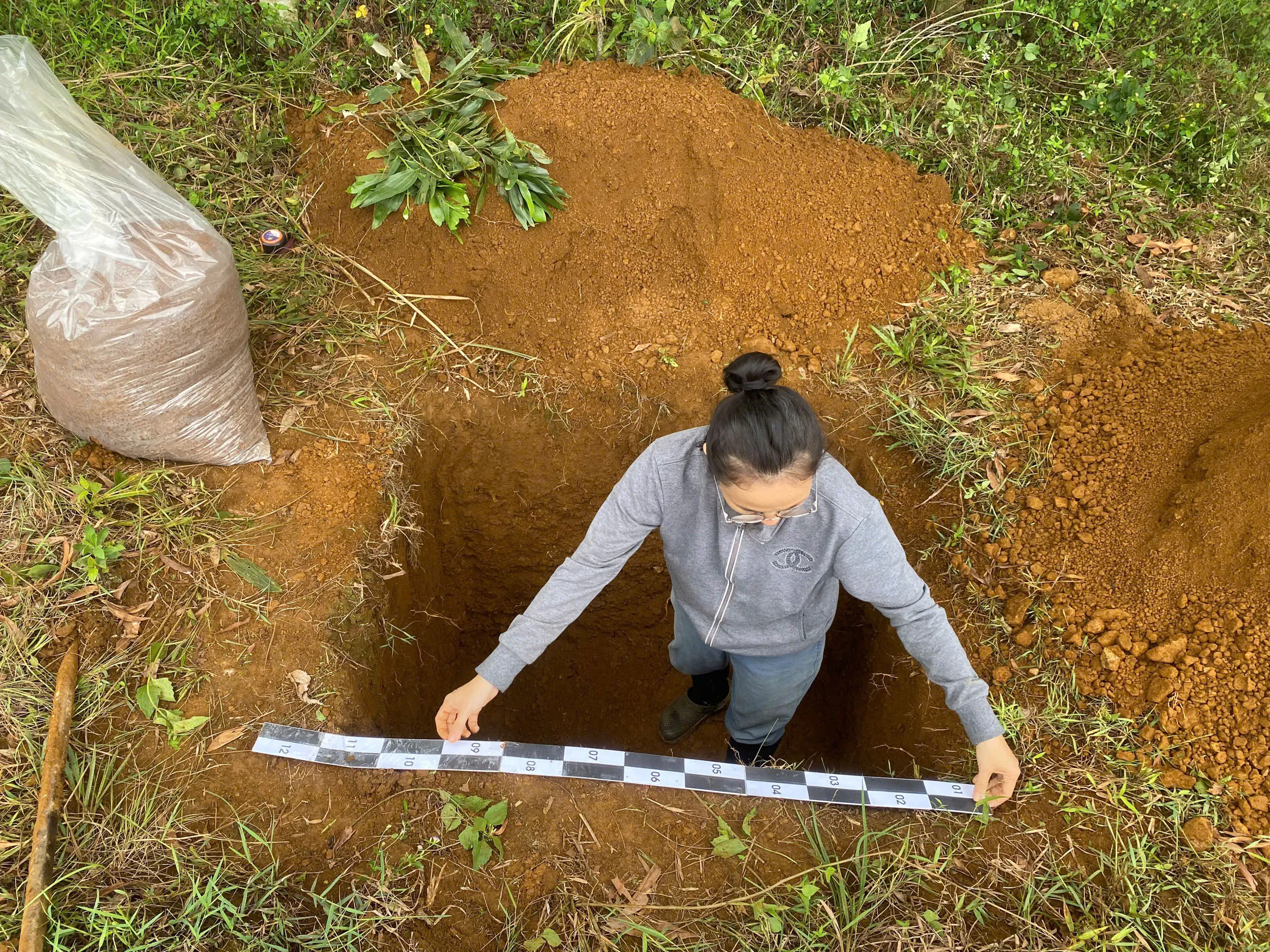
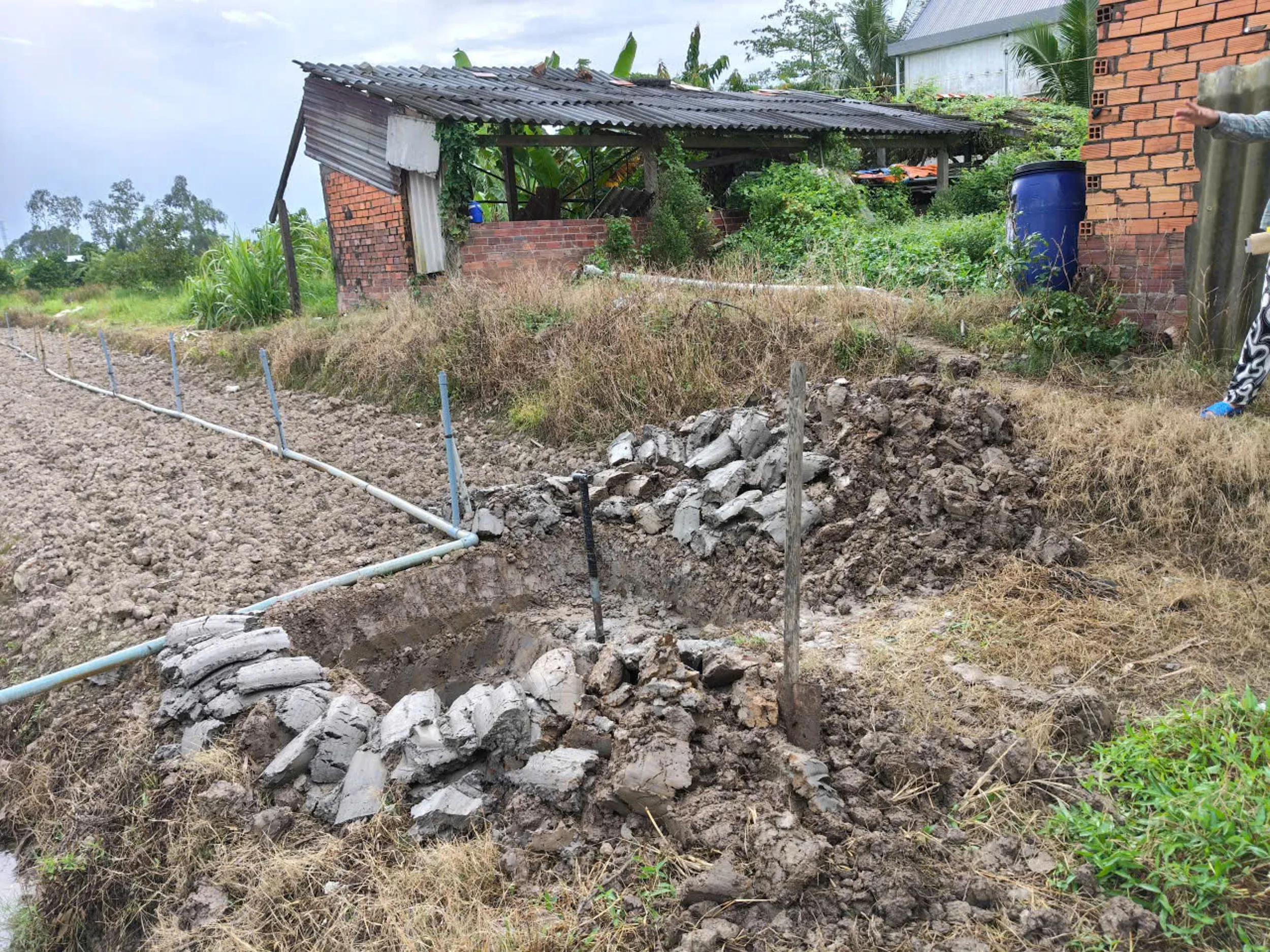
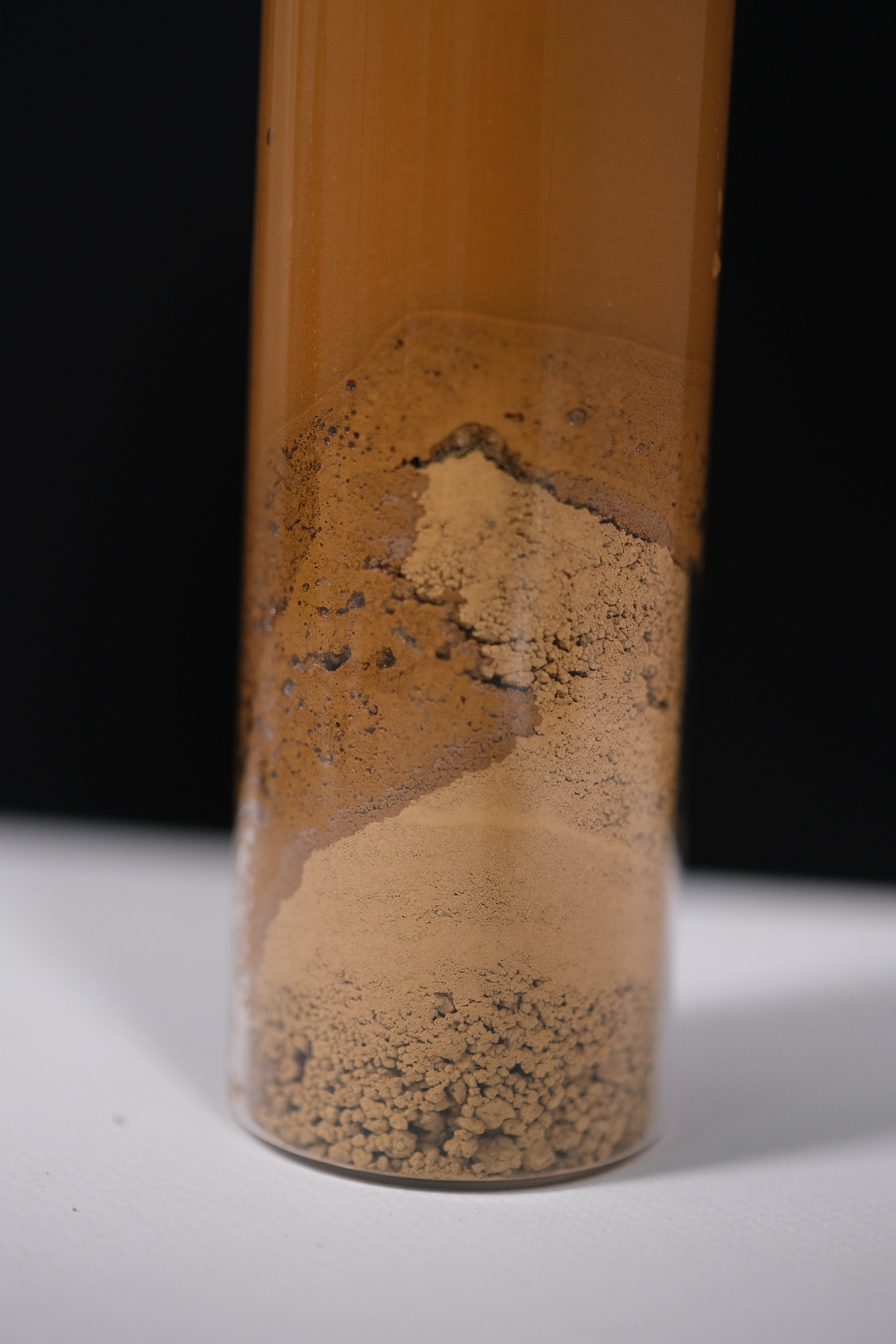
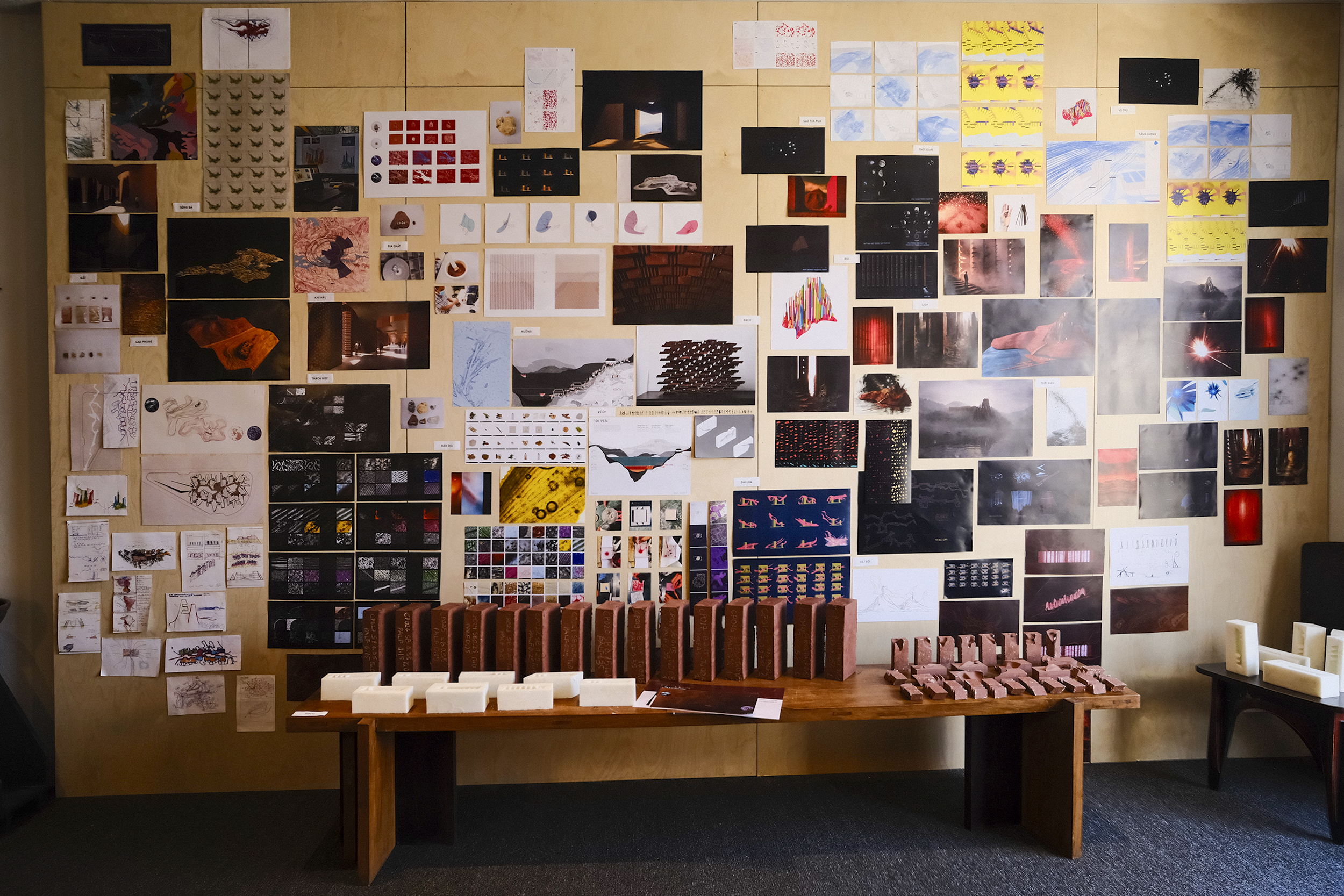
Soil samples were collected across seven sites, spanning approximately 21° to 10° north latitude and representing different geological, climatic, and ecological conditions. Preliminary investigations included jar, cookie, and cigar tests, together with pH measurements and Munsell soil color observations. These provided an initial basis for comparing soil characteristics across the research sites. At Cao Phong, more detailed investigations included particle-size analysis, mineralogical and chemical testing, and petrographic examination. These analyses informed the understanding of the site's geological conditions and the selection of soil for subsequent CEB experiments.






CEB Testing Results
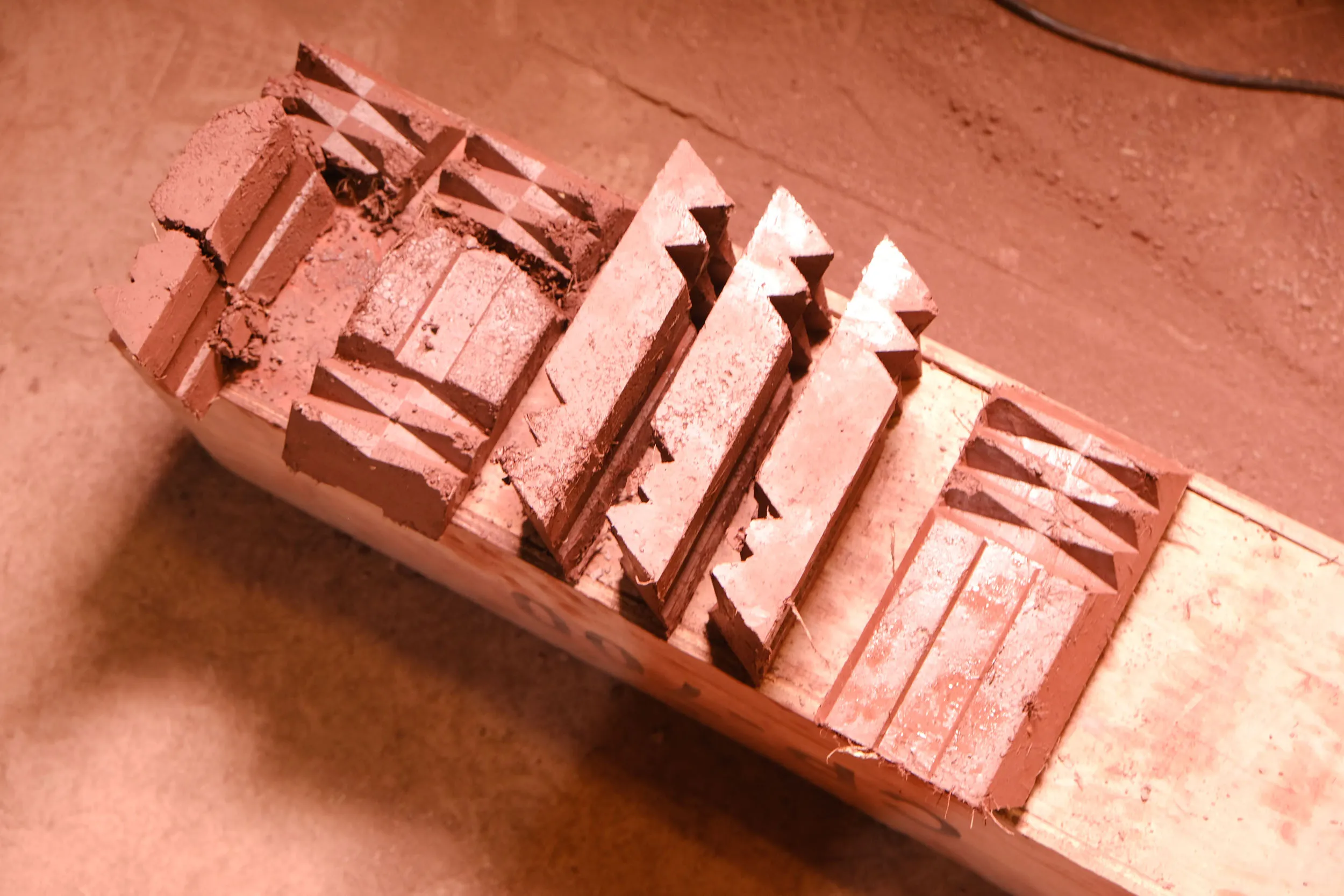
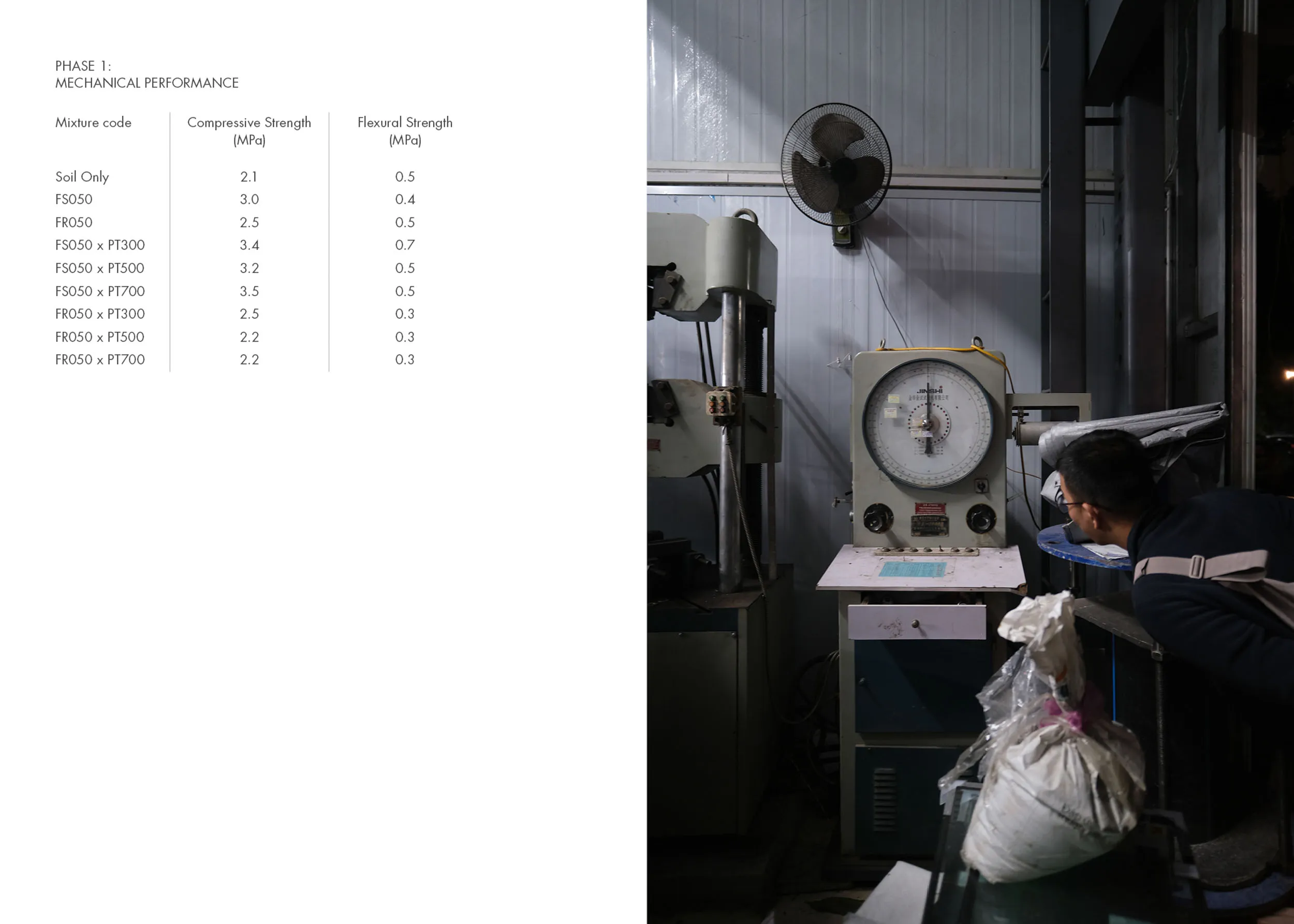
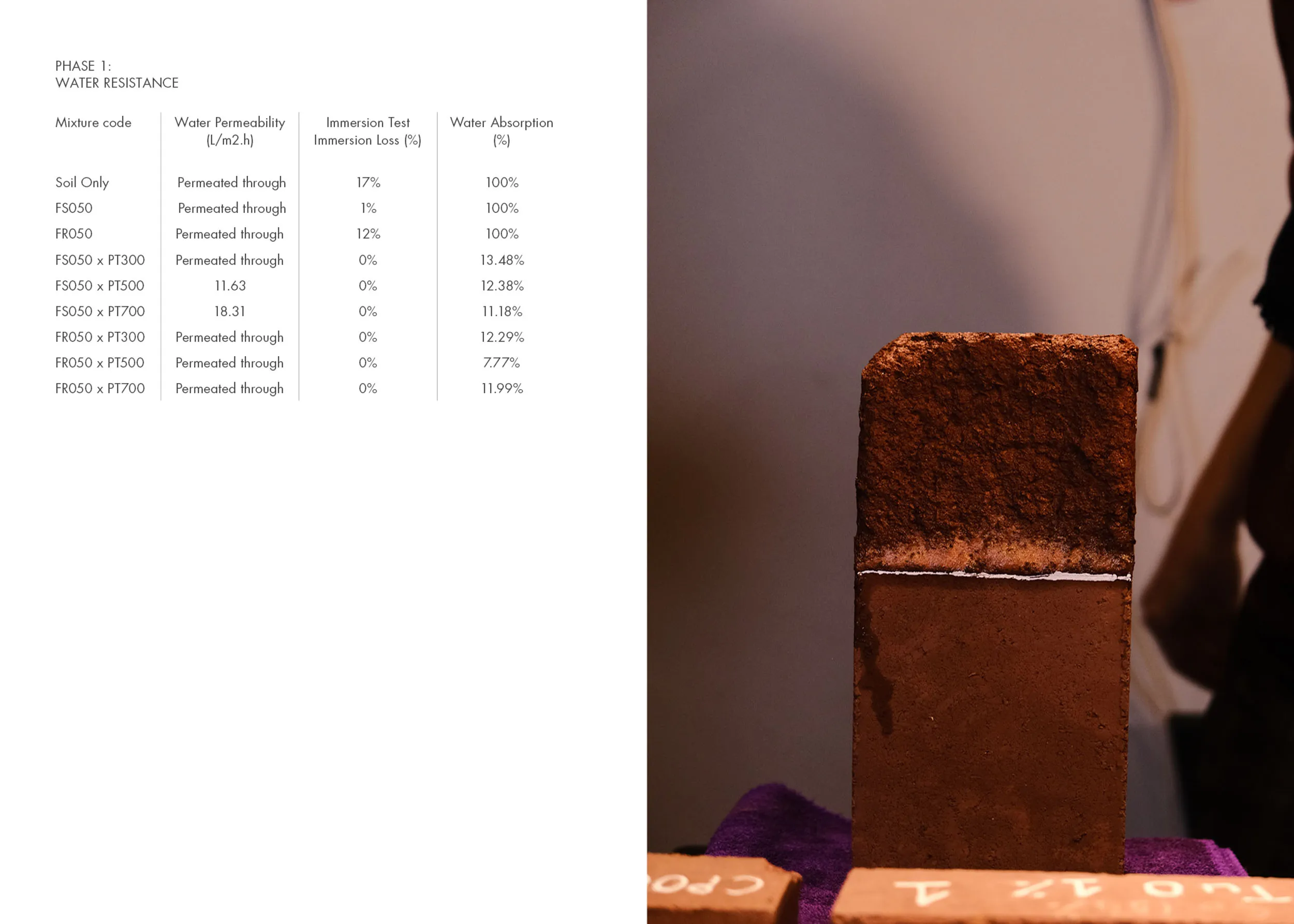
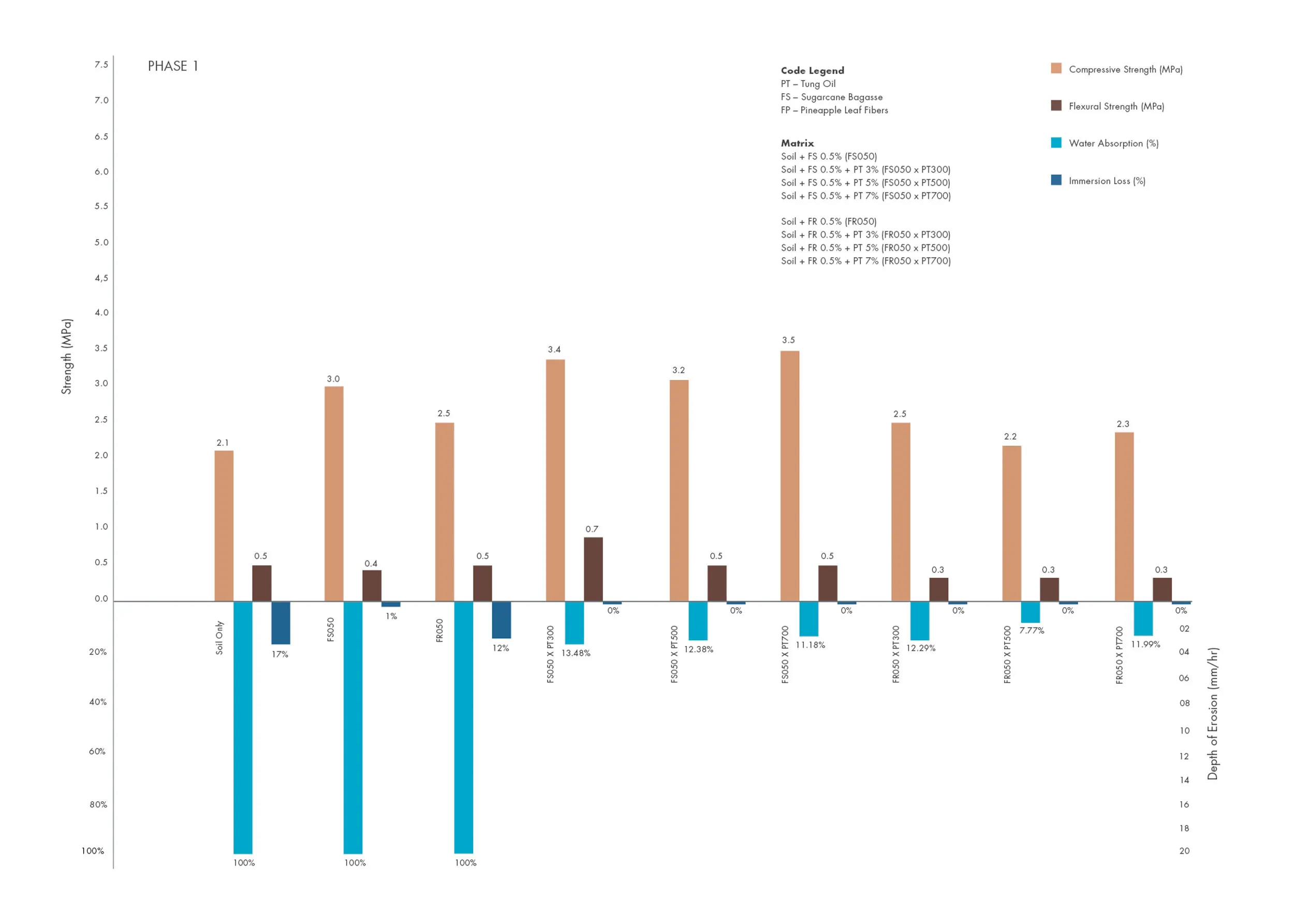
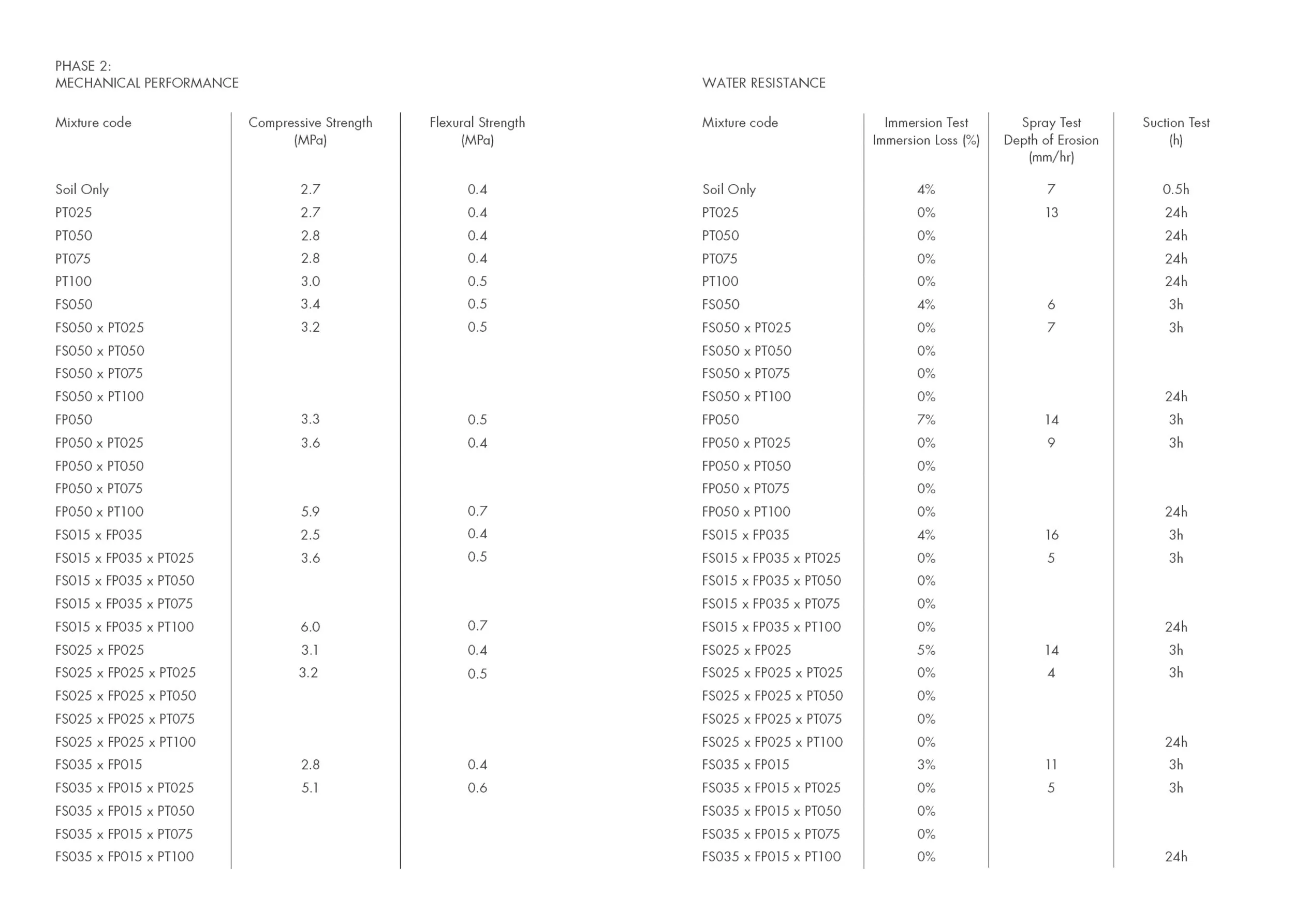
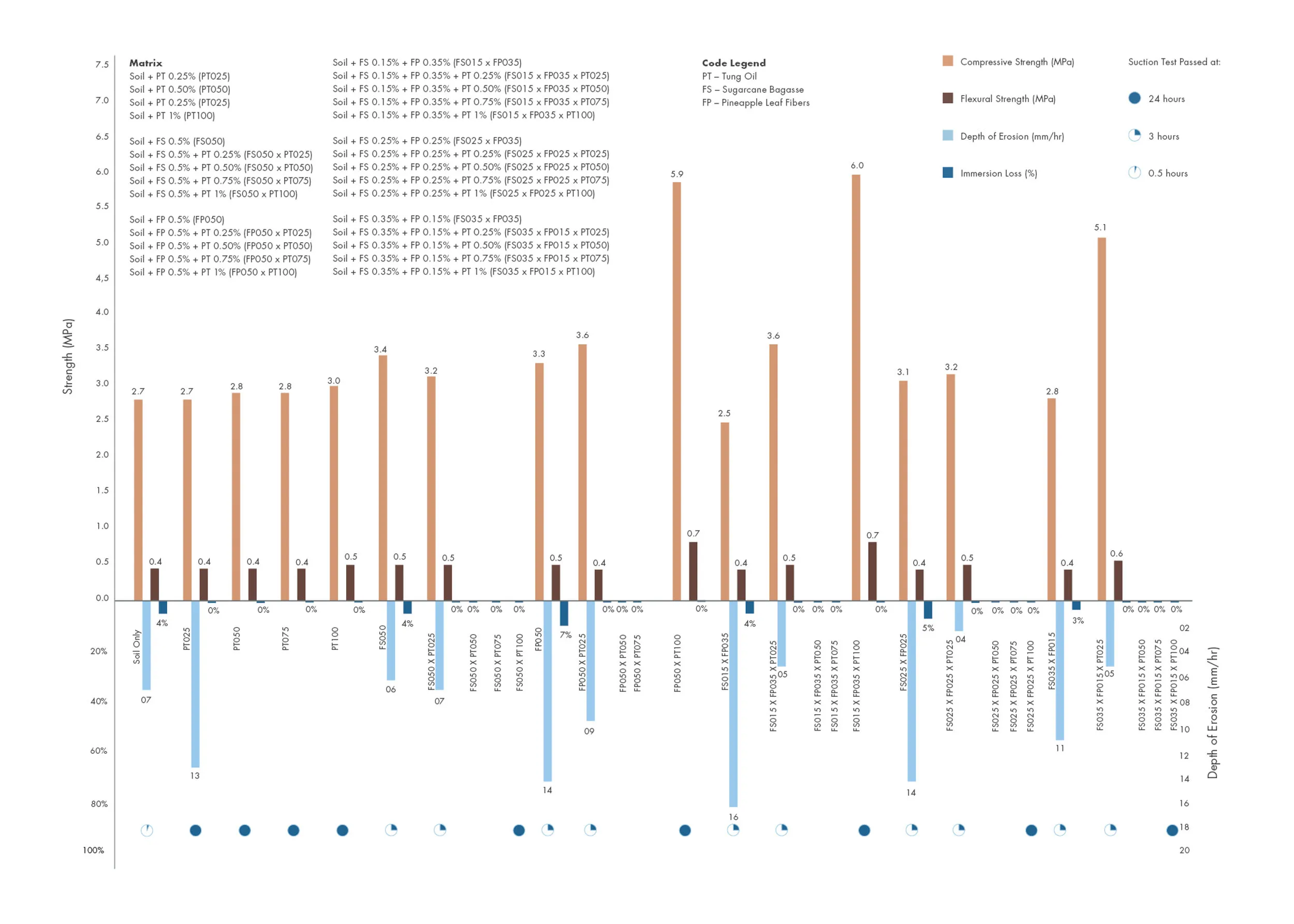
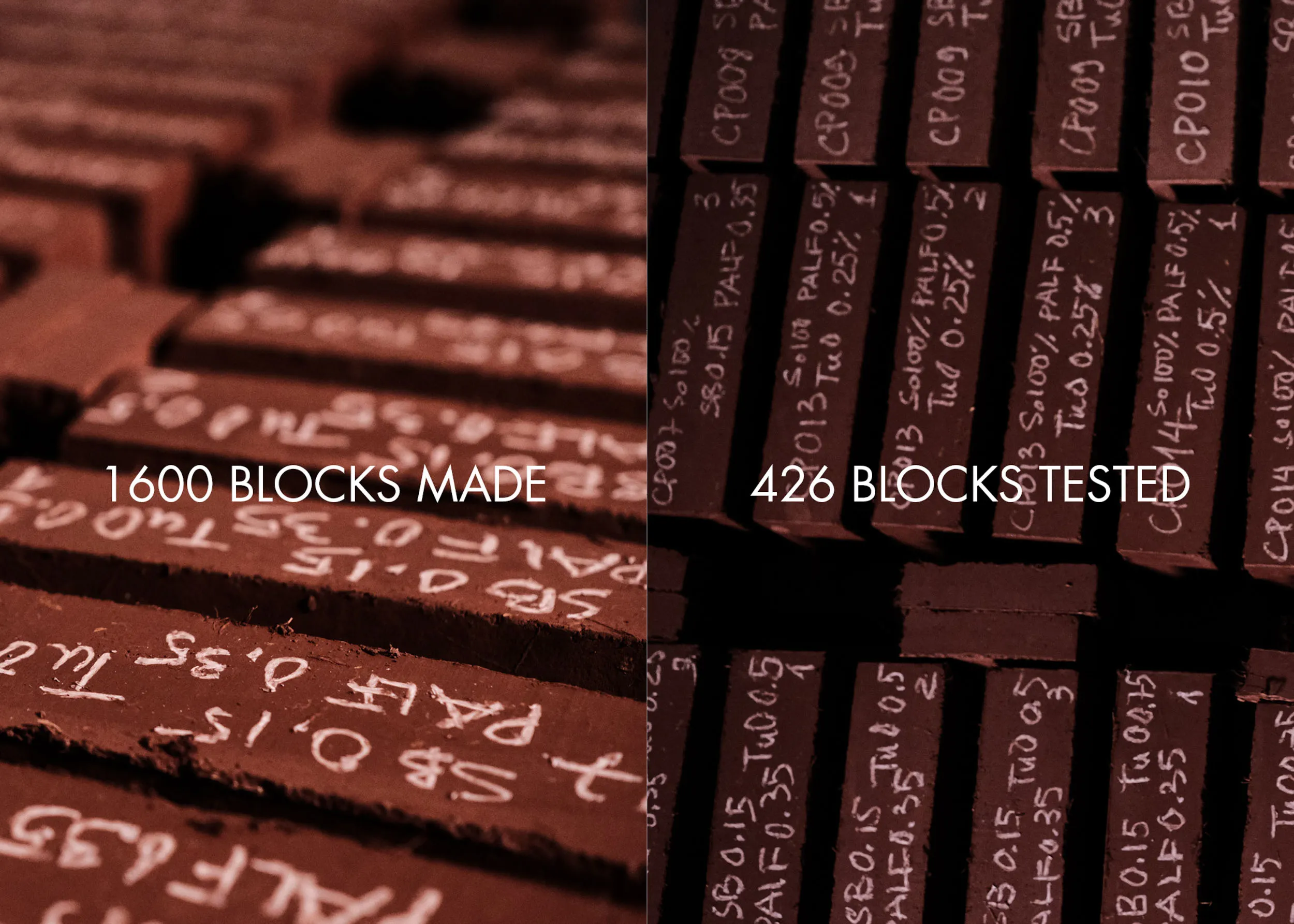
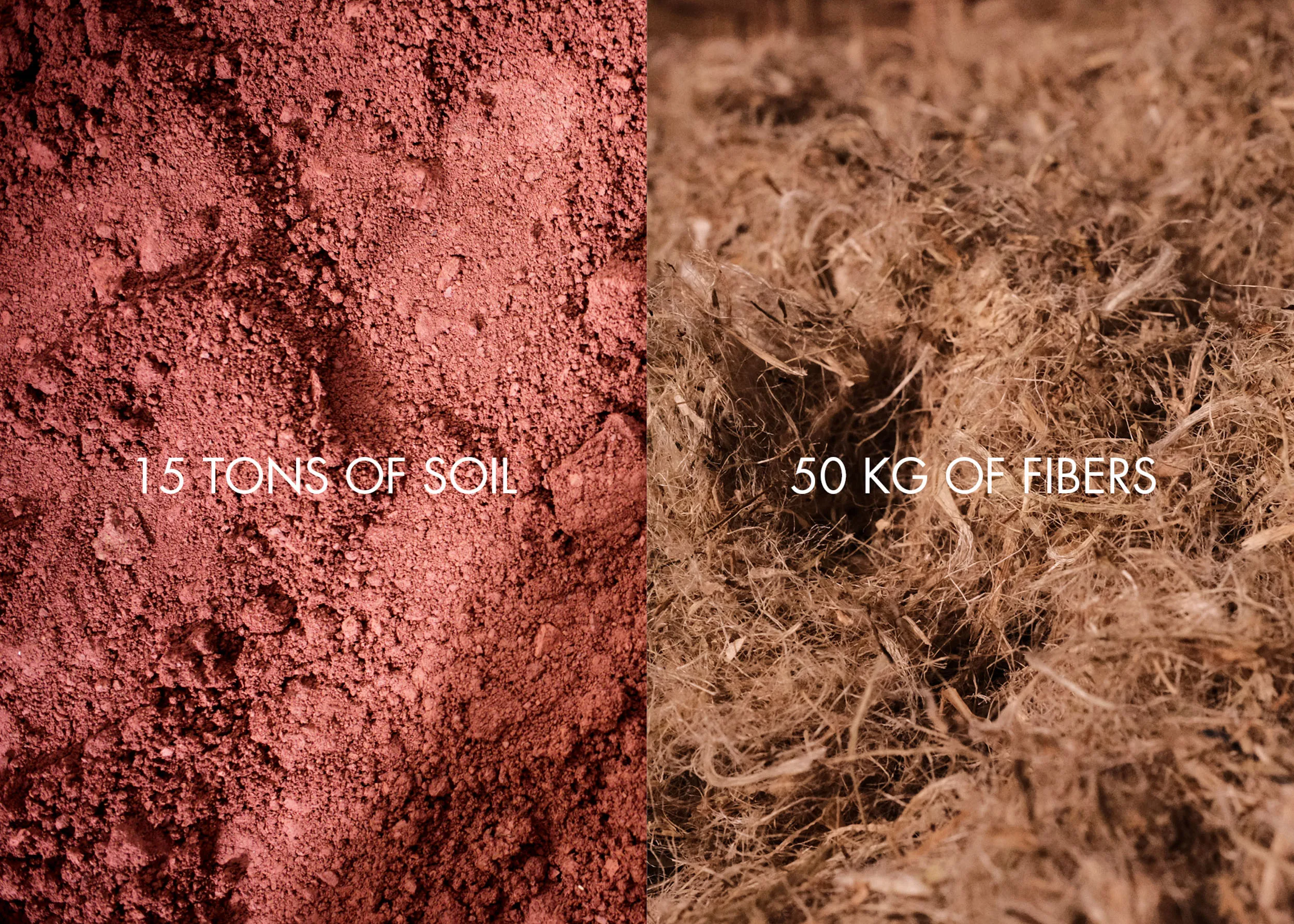
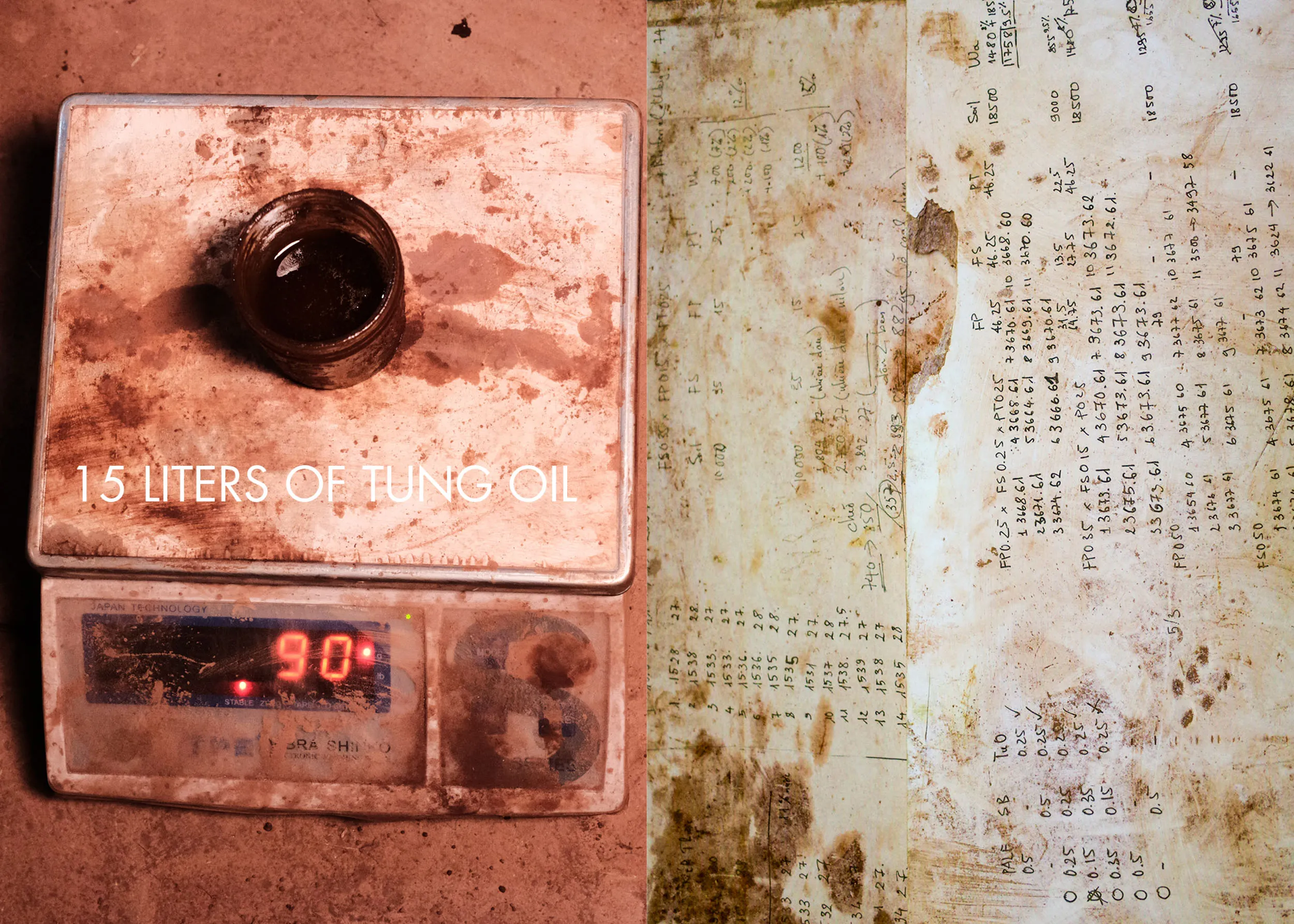
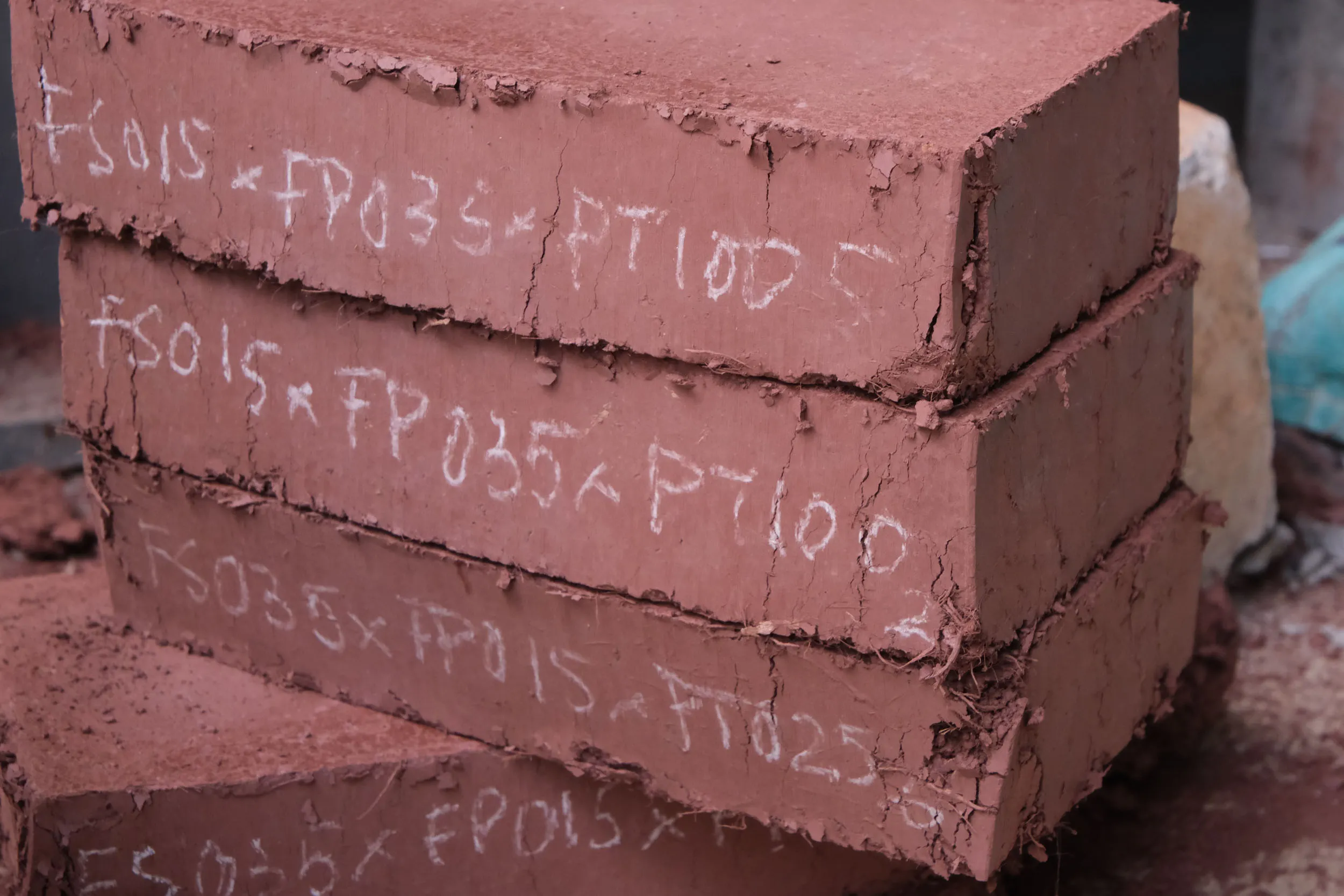
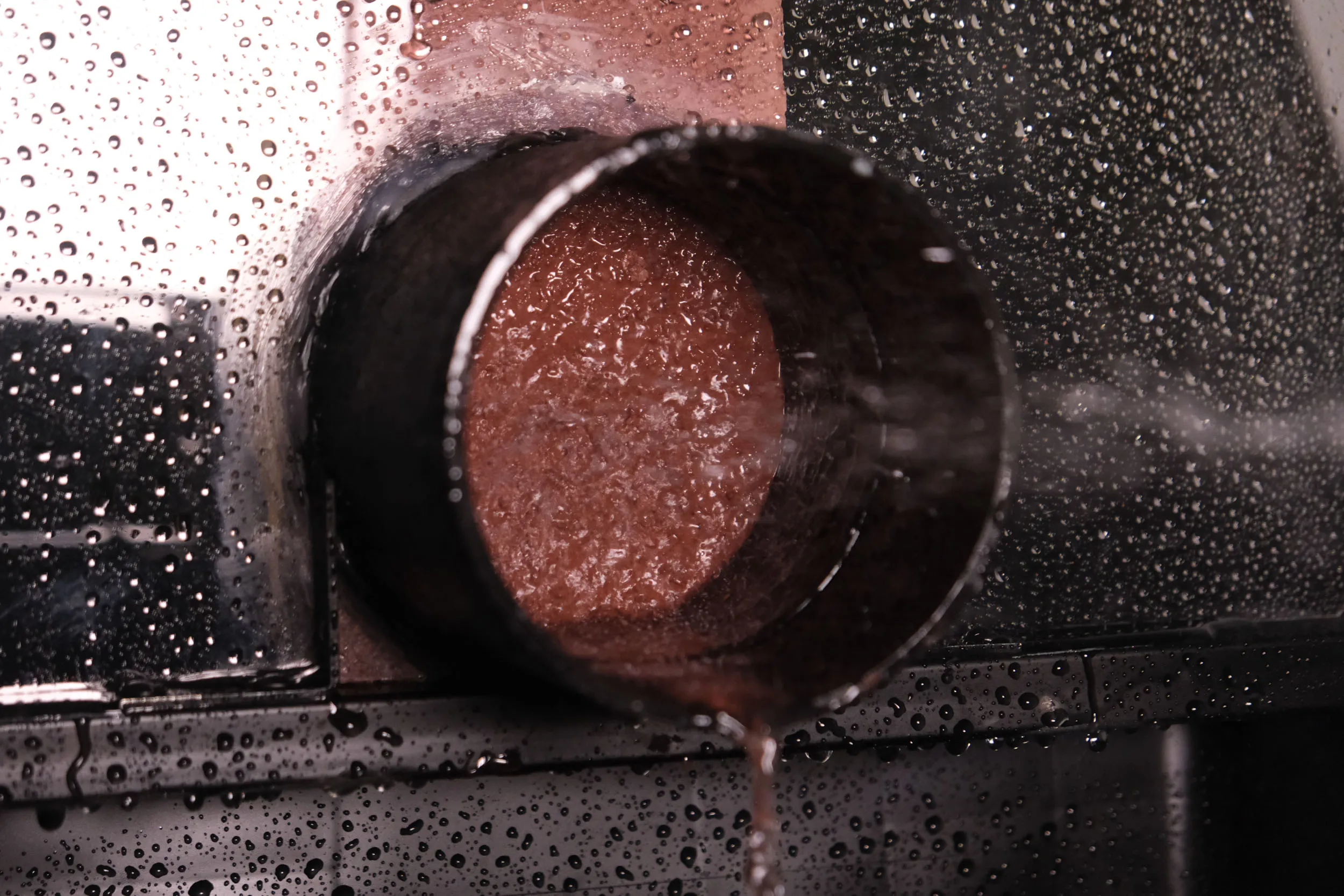
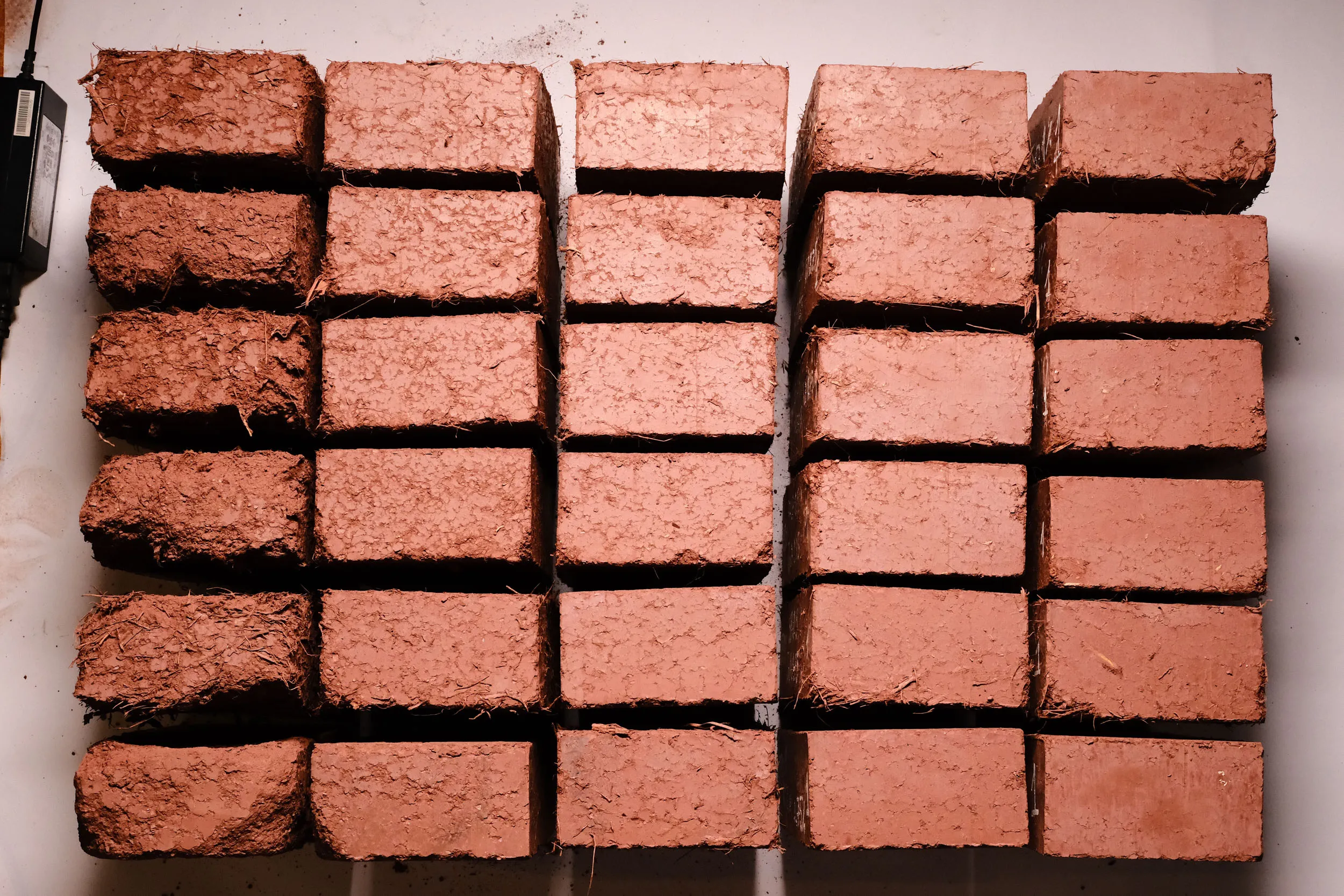
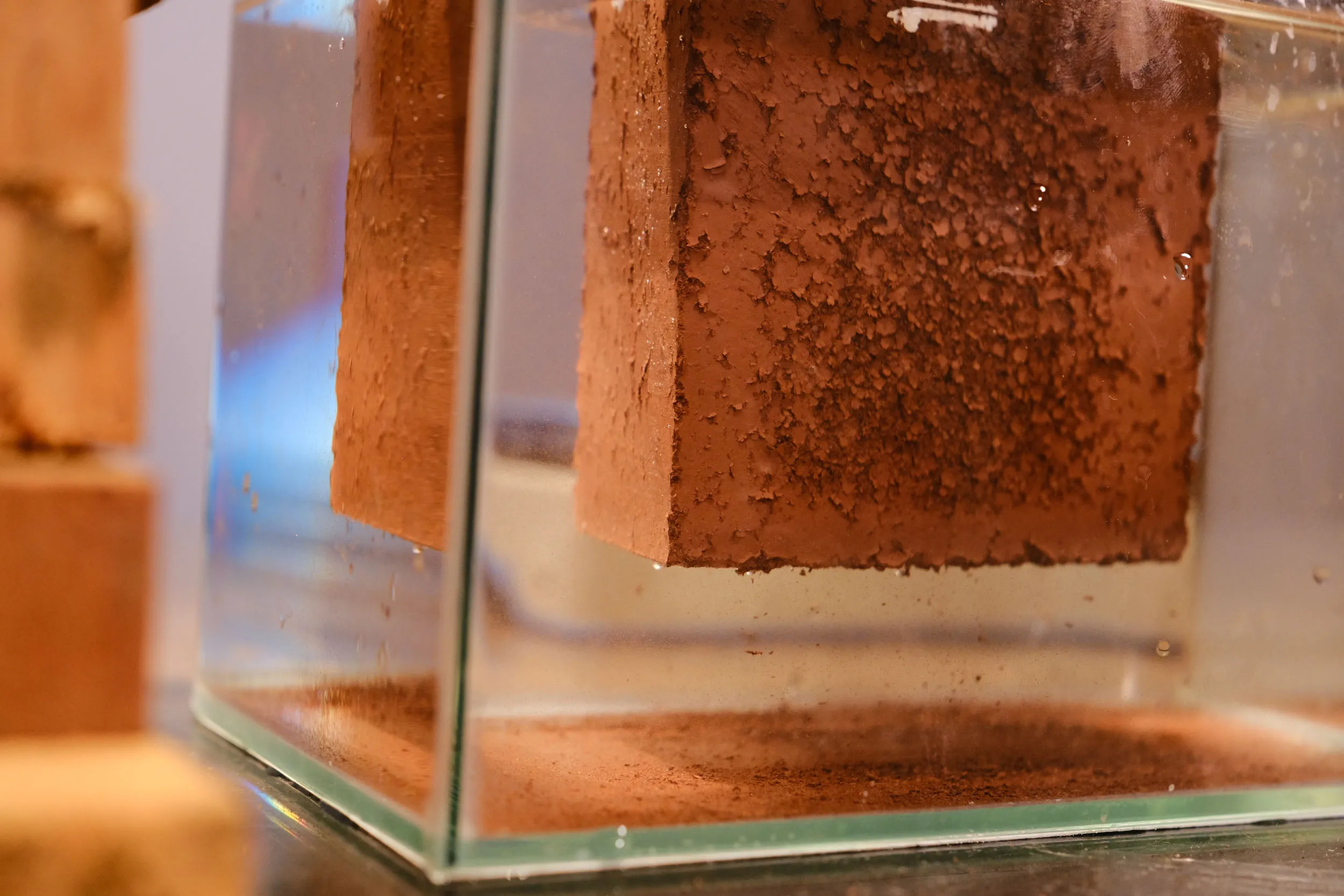
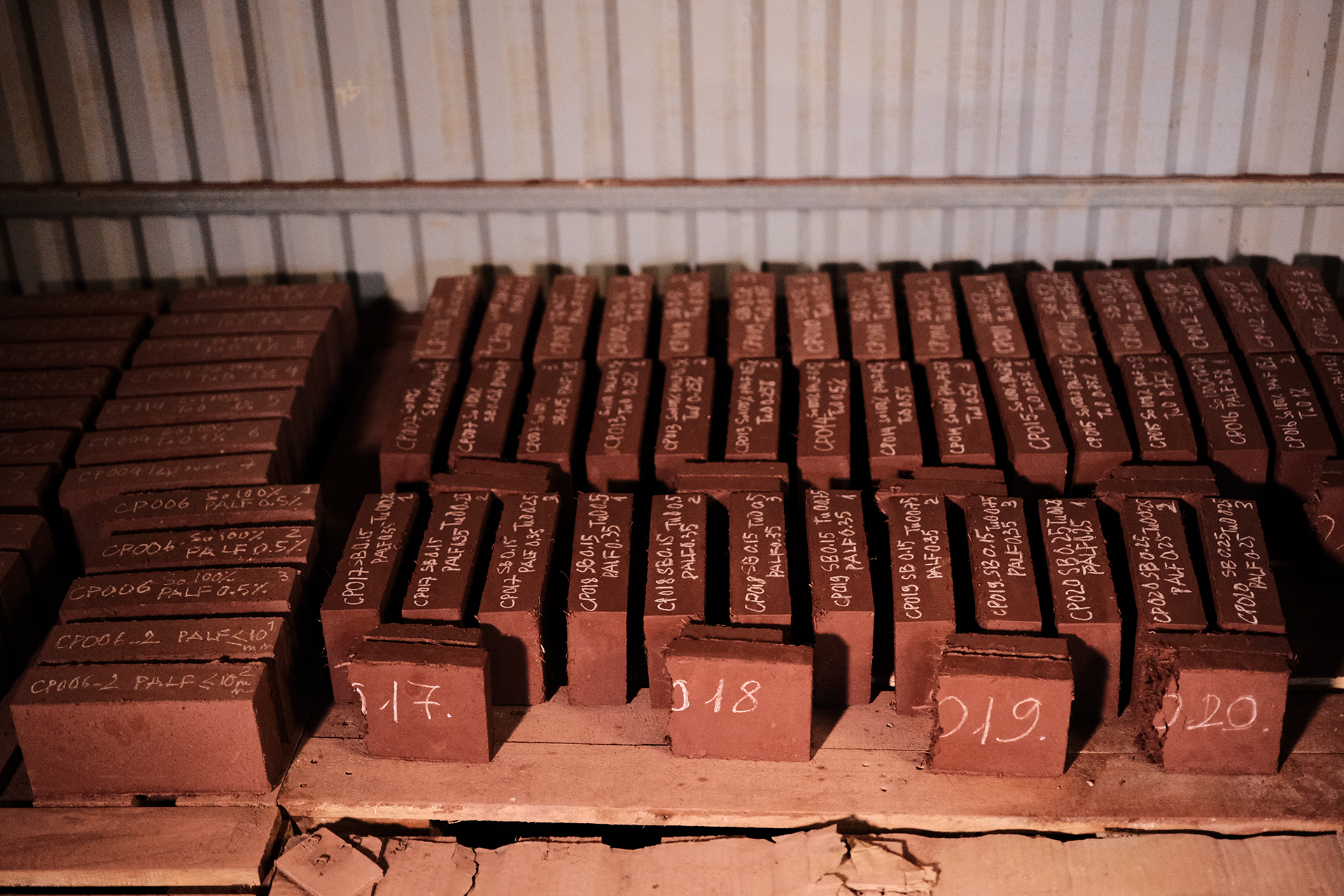
Controlled CEB experiments concentrated on soil collected at Cao Phong. Approximately 1,600 blocks were produced, of which 426 underwent testing. The experiments investigated sugarcane bagasse, rice husk, pineapple leaf fiber, and tung oil, both individually and in selected combinations. The experimental matrix examined how changes in additive type and proportion affected block performance. Selected specimens were evaluated through compressive and flexural strength tests, water absorption, immersion, suction, and spray tests.
Testing and assessment were carried out according to DIN 18945:2024-03, TCVN 6355-3:2009, TCVN 6355-4:2009, ARS 1333:2018, NZS 4298:2024, and NZS 4299:2024, with methods selected or adapted for individual tests.
The results below show the performance of each tested combination.

Key Findings & Conclusions
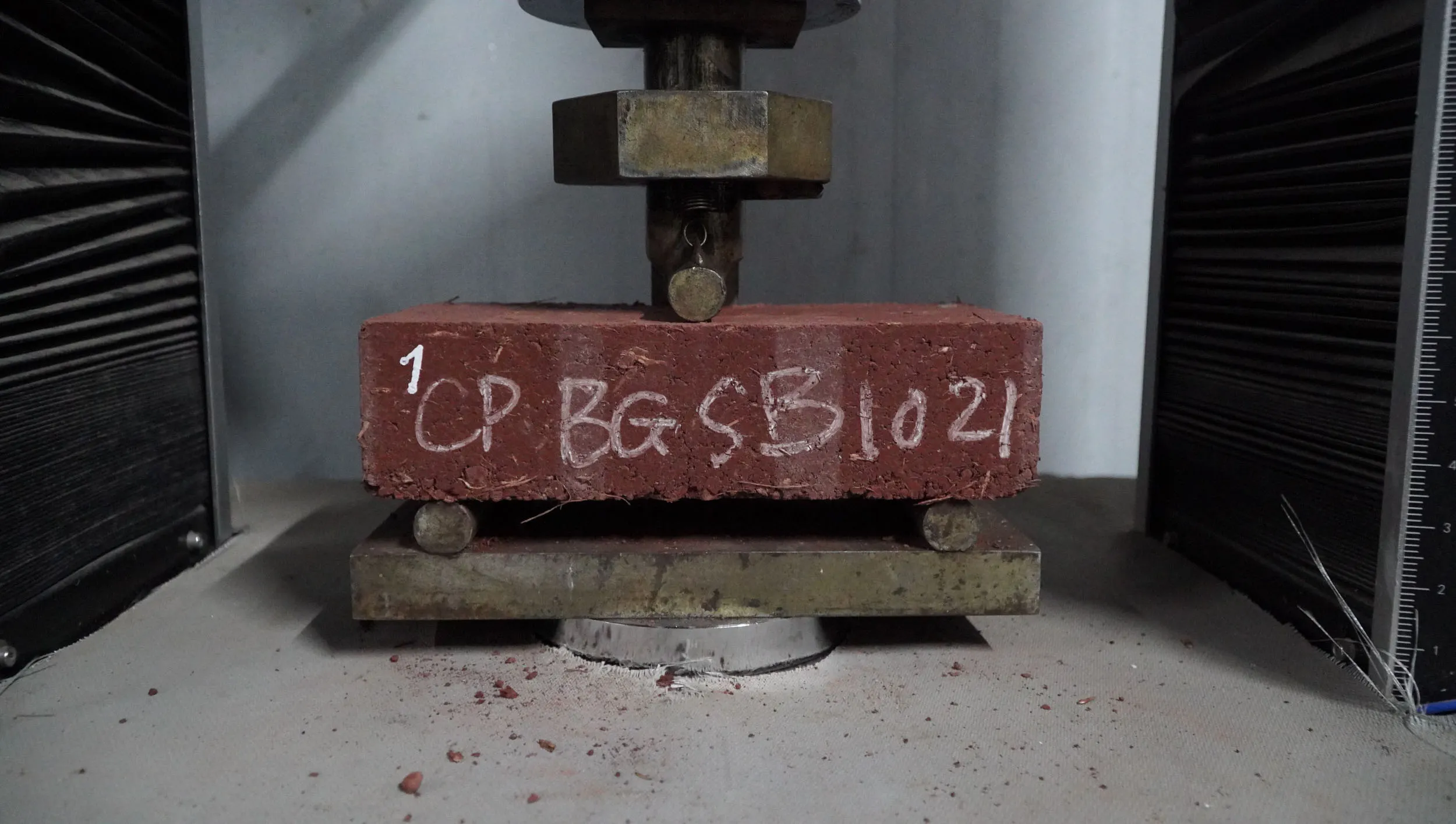
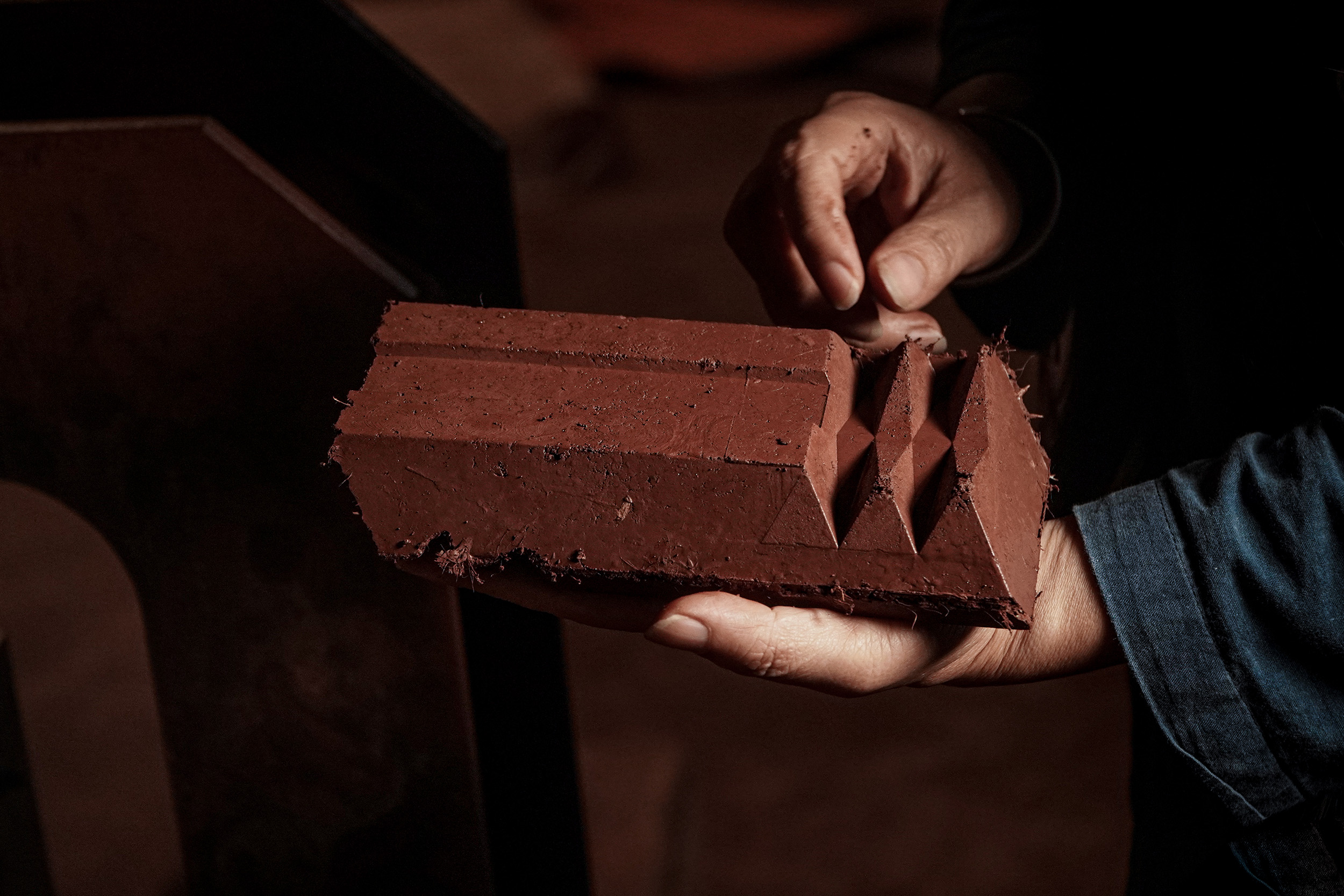
When the two types of natural fibers and tung oil were combined, the results revealed an unexpected improvement in performance. The most promising low-oil hybrid, comprising 0.35% sugarcane bagasse, 0.15% pineapple leaf fibers, and 0.25% tung oil, reached a compressive strength of 5.1 MPa, exceeding the DIN Class 4* mean value of 5.0 MPa. The flexural strength was 0.6 MPa. The blocks recorded 0% mass loss in the immersion test, below the 5% limit specified for DIN application classes Ia and Ib, an erosion depth of 5 mm/hr within Erodibility Index 1 under NZS 4298:2024. They also passed the three-hour suction test.
These findings suggest that combining selected fibers with a relatively small proportion of tung oil may improve several performance characteristics simultaneously. Since tung oil contributes to material costs, particularly at higher concentrations, reducing its proportion could make the formula more affordable. Therefore, future experiments should further explore combinations of multiple fiber types with lower tung oil concentrations to optimize both material performance and production cost. Most importantly, the results demonstrate the potential for using these compressed earth blocks in exposed exterior walls. The matrix also does not establish a single universally optimal CEB. Instead, it provides a comparative catalogue that can inform recipe selection according to required performance, exposure conditions, and role in the construction system.
*Class 4 under DIN 18945 represents a medium-to-high strength earth block with a mean compressive strength of 5 MPa that is suitable for load-bearing masonry, provided all applicable requirements of DIN 18945 and the relevant structural design standards are met.
Next Steps & Scale-Up Potential
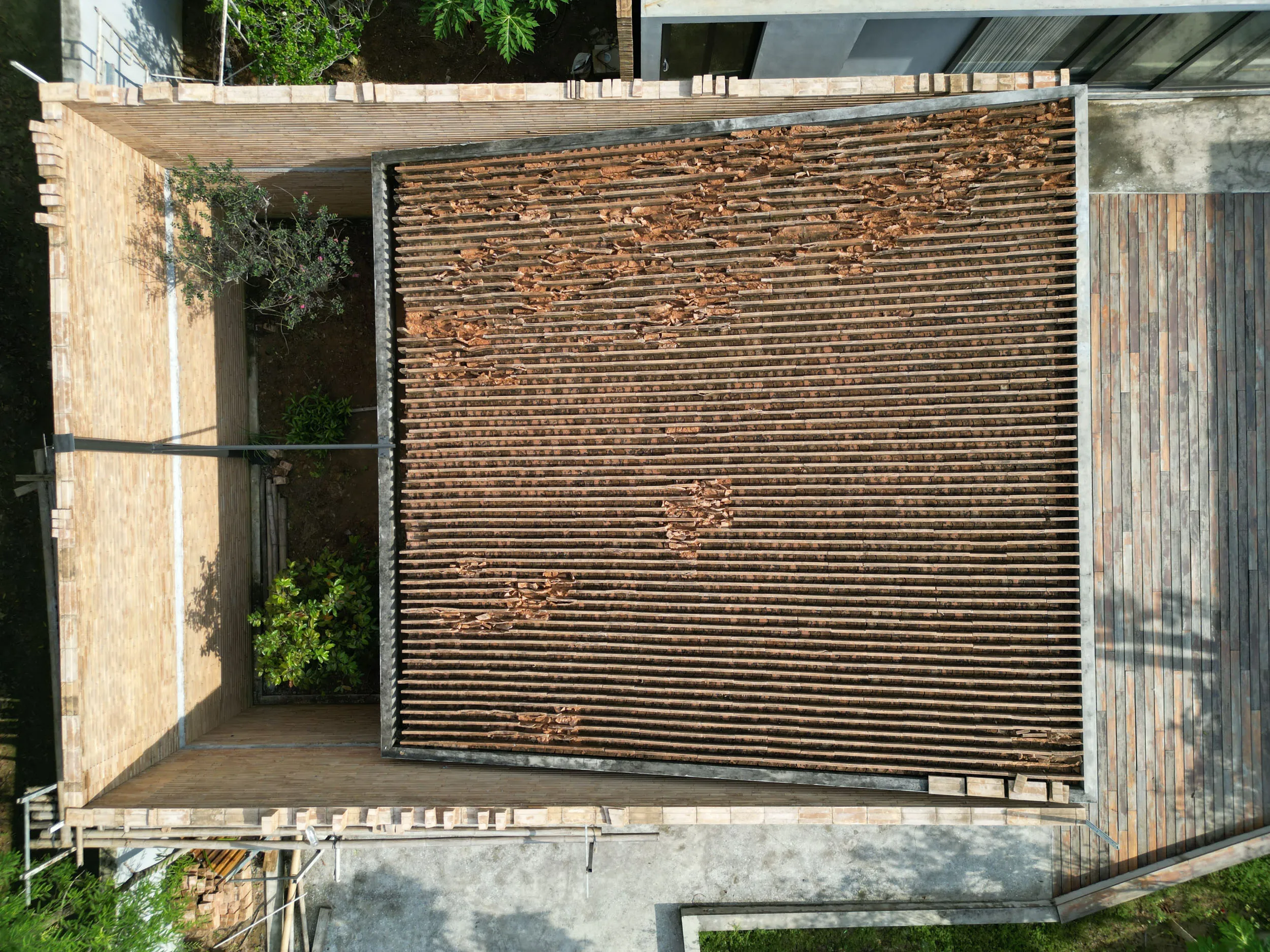
At Cao Phong, the next phase focuses on long-term weathering, continued iteration of the structural system, and construction-scale testing. A demonstration project in Cao Phong will test cost, labour, tolerances, detailing, maintenance, and system performance at architectural scale. In parallel, production and maintenance guidance will continue to be developed, and the ecological and economic implications of the system will be assessed across its life cycle.
The methodology will be extended to the remaining six sites.

Errors
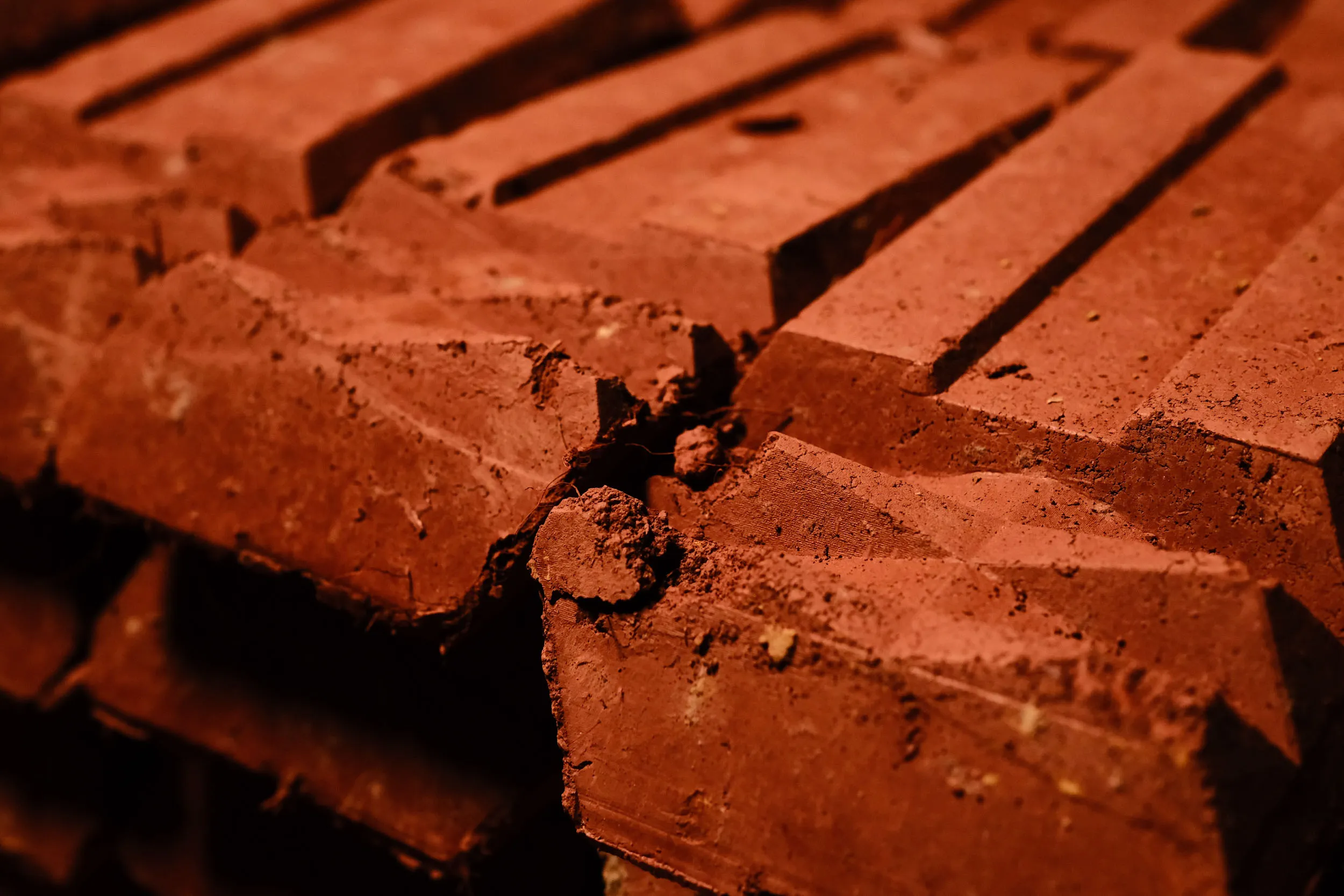
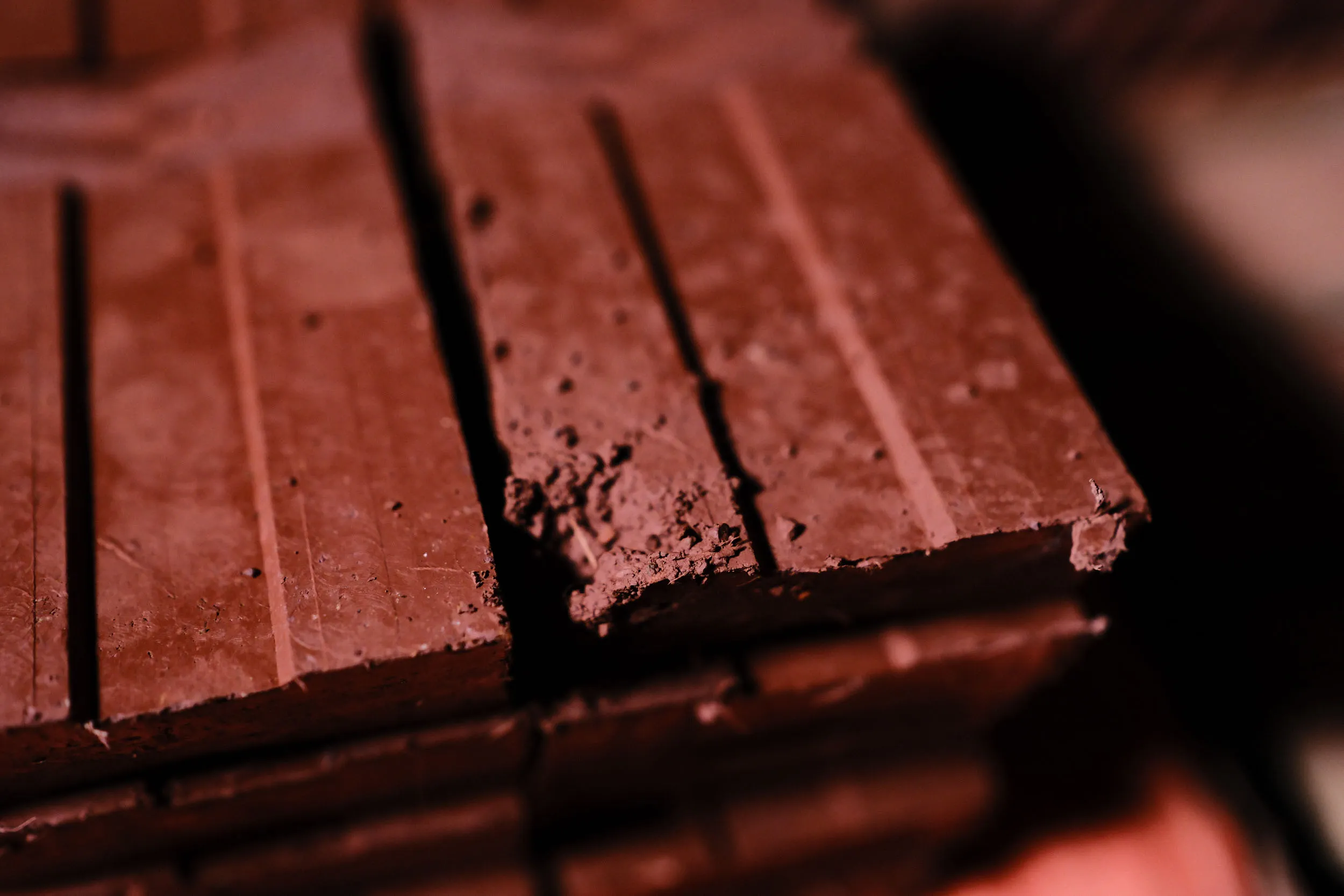
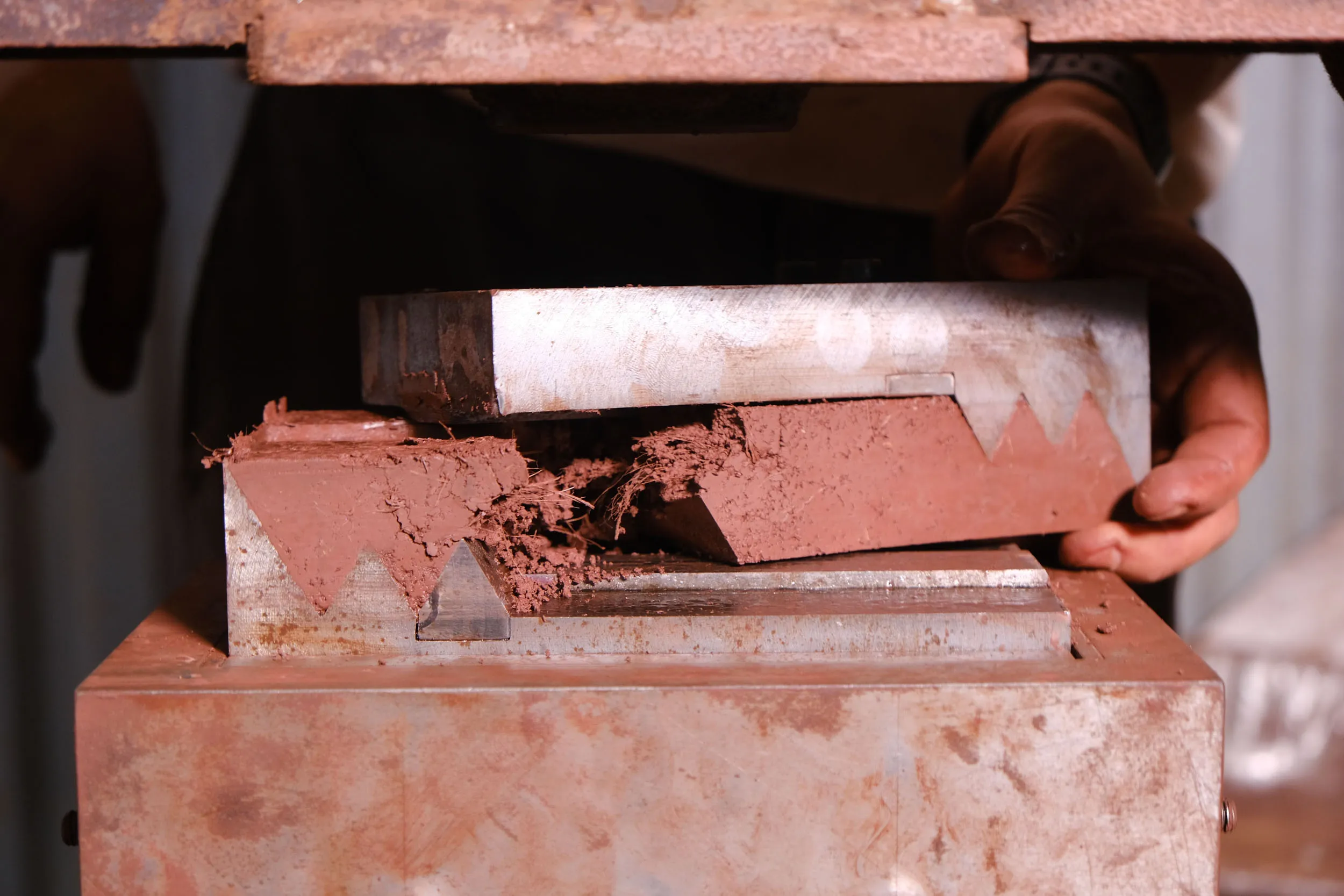
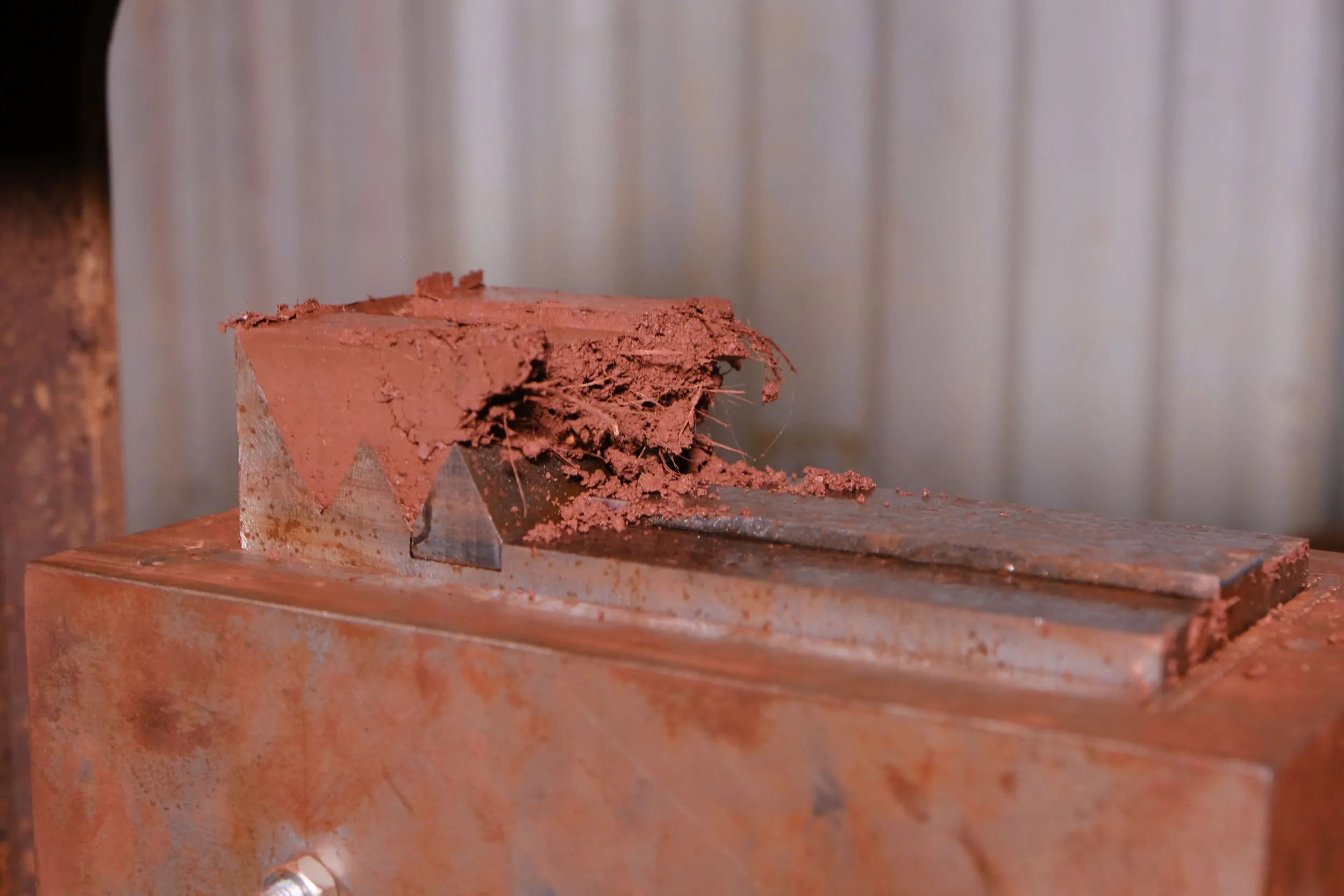
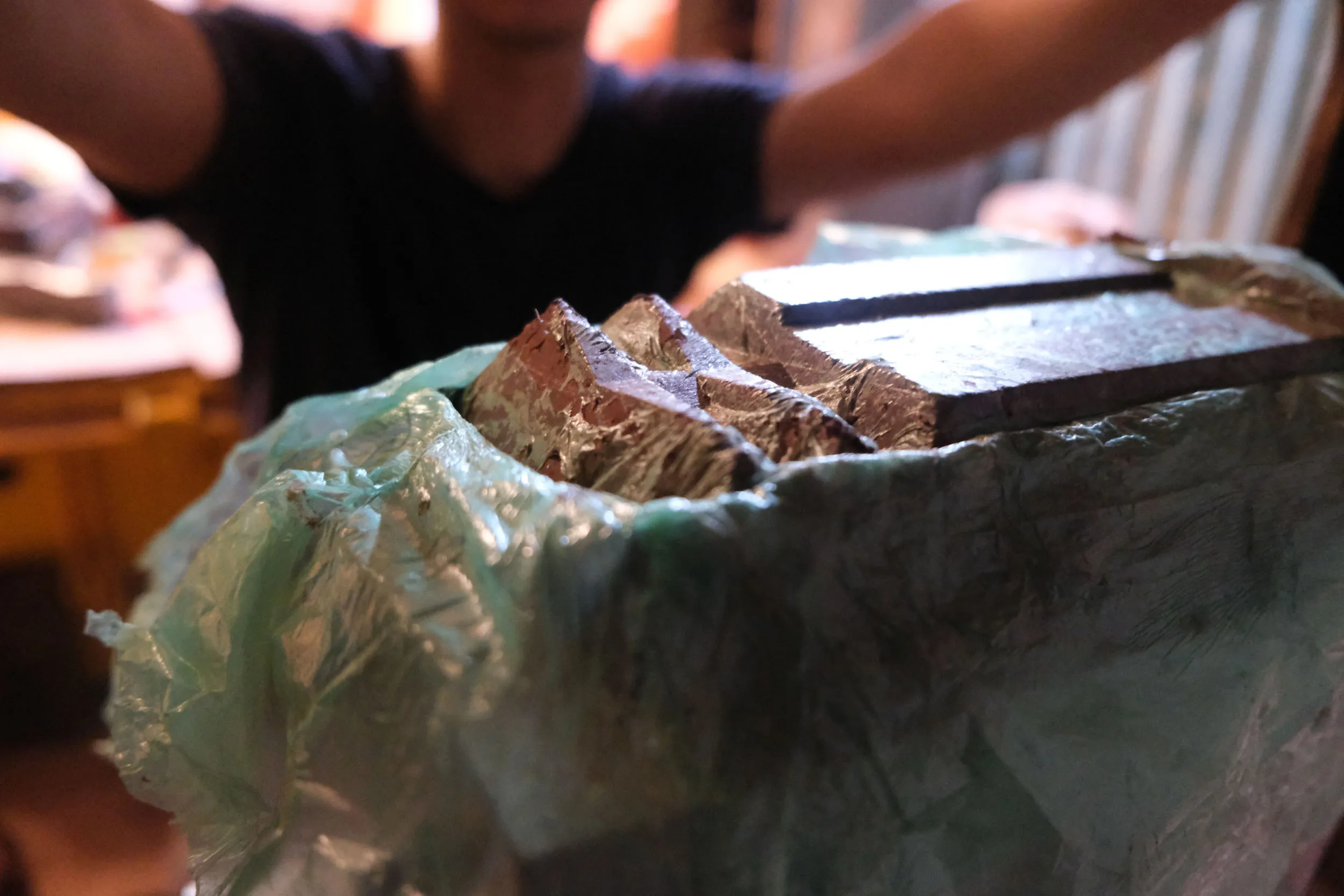
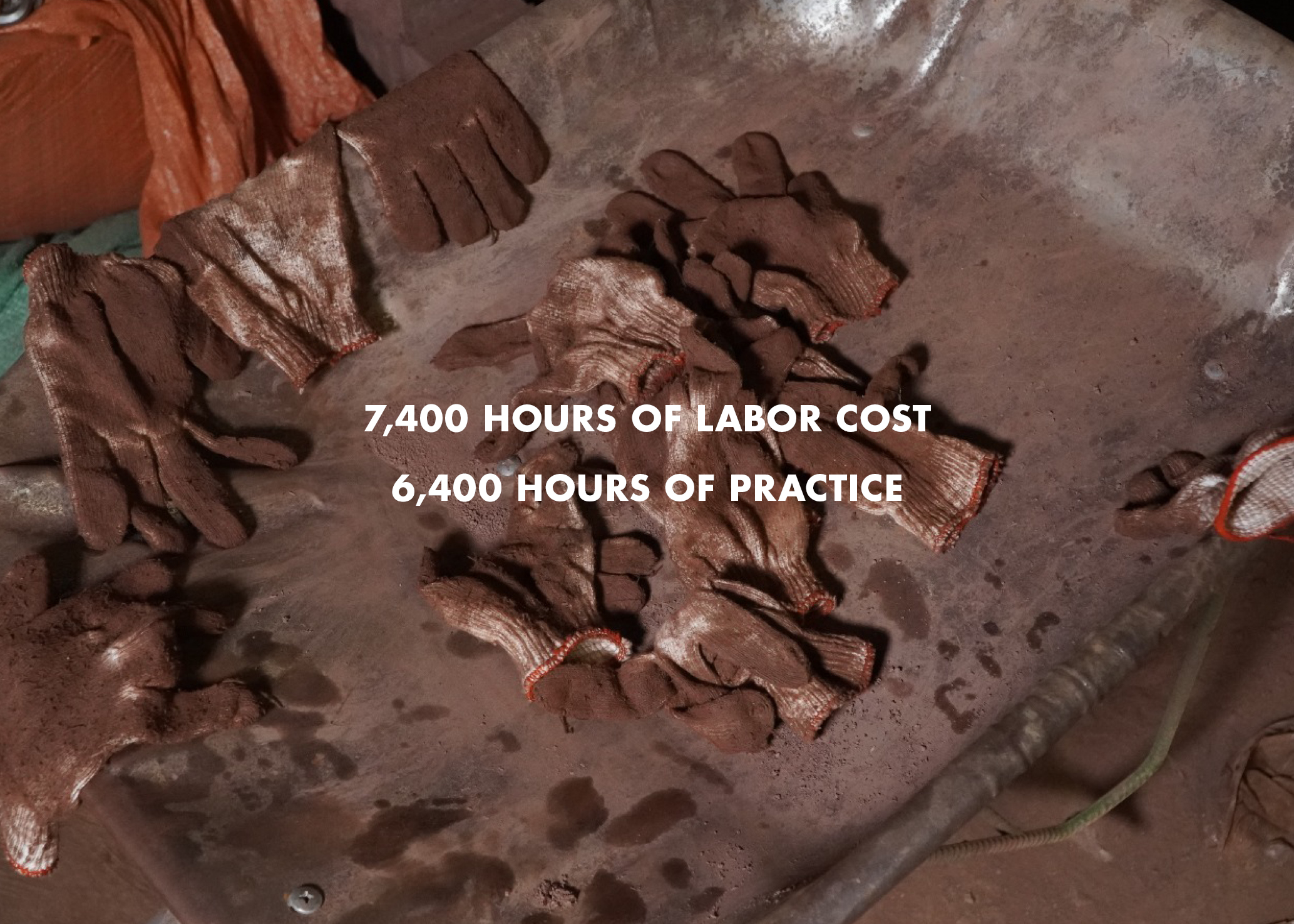
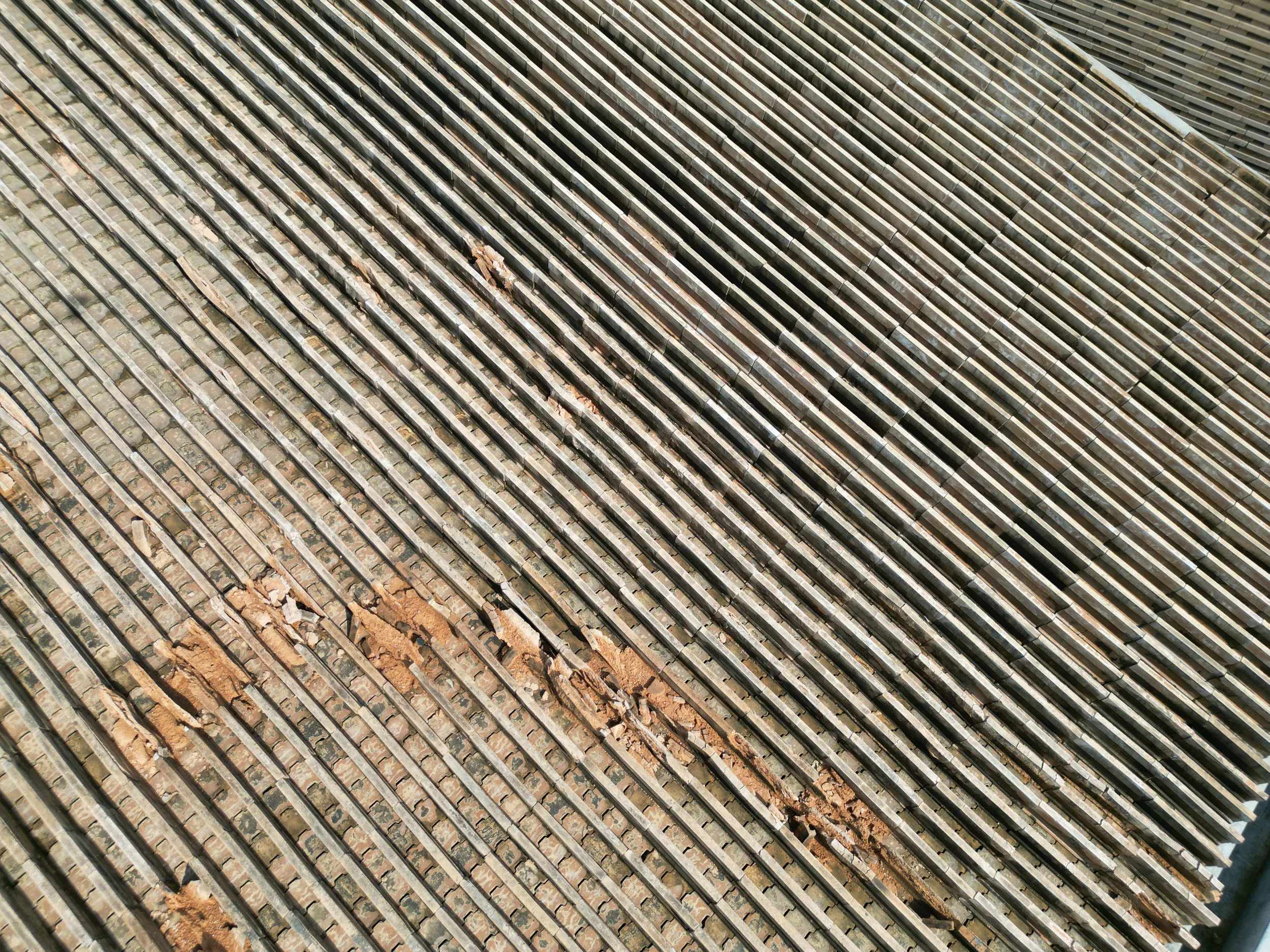
The failures during the experiments taught us something important: a compressed earth block cannot be understood through the recipe alone. It is learned through failure, curiosity and the search for solutions. Parameters such as density, moisture, compression force, release method, drying conditions, block handling and storage, the presence or the lack of plaster, labor quality, and assembly tolerance all contribute to its performance. Trial and error became evidence only when each failure informed the next procedure. Human error was therefore documented as an inherent outcome of the production method, while tacit handling knowledge began to enter the protocol.
Problems encountered during the project:
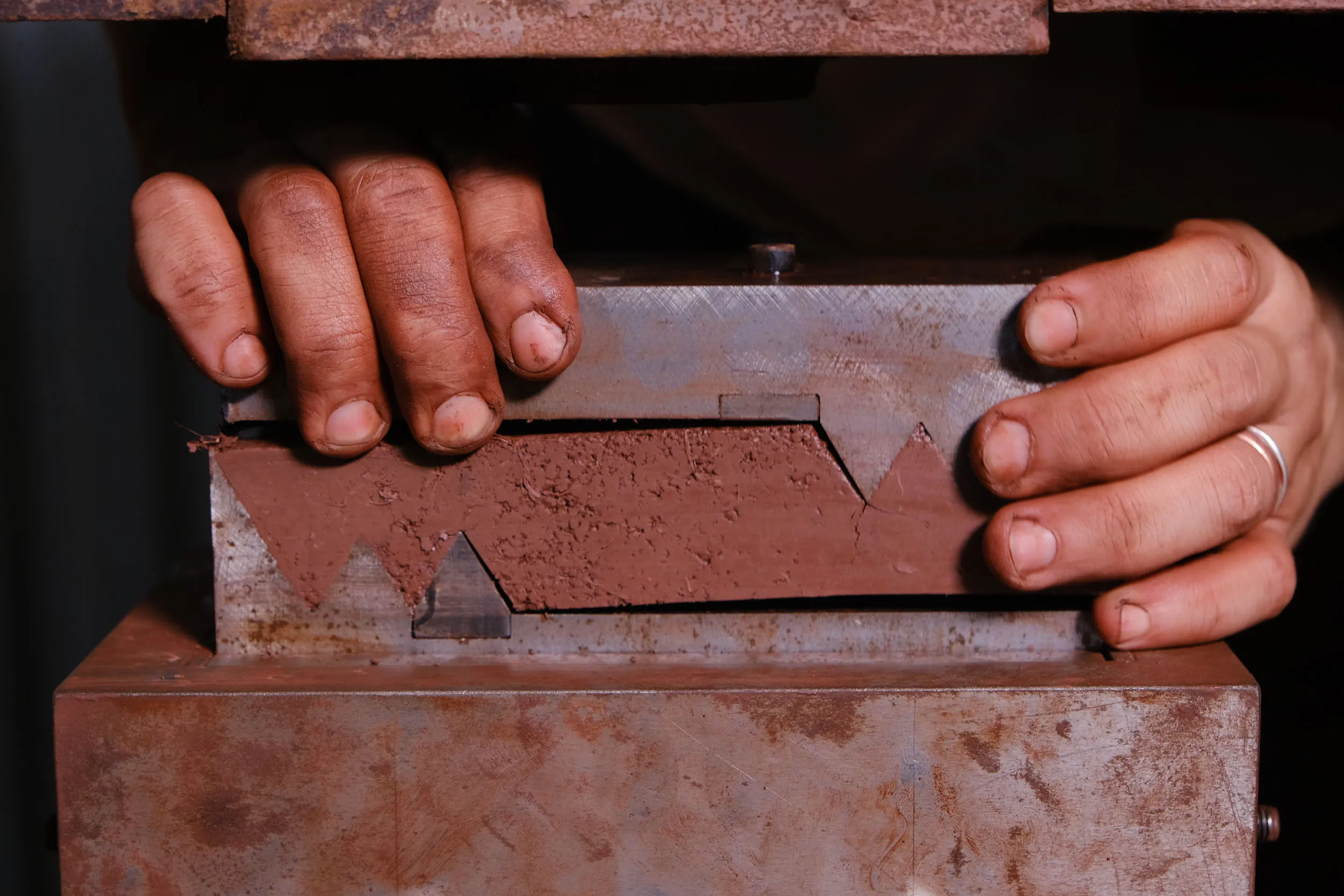
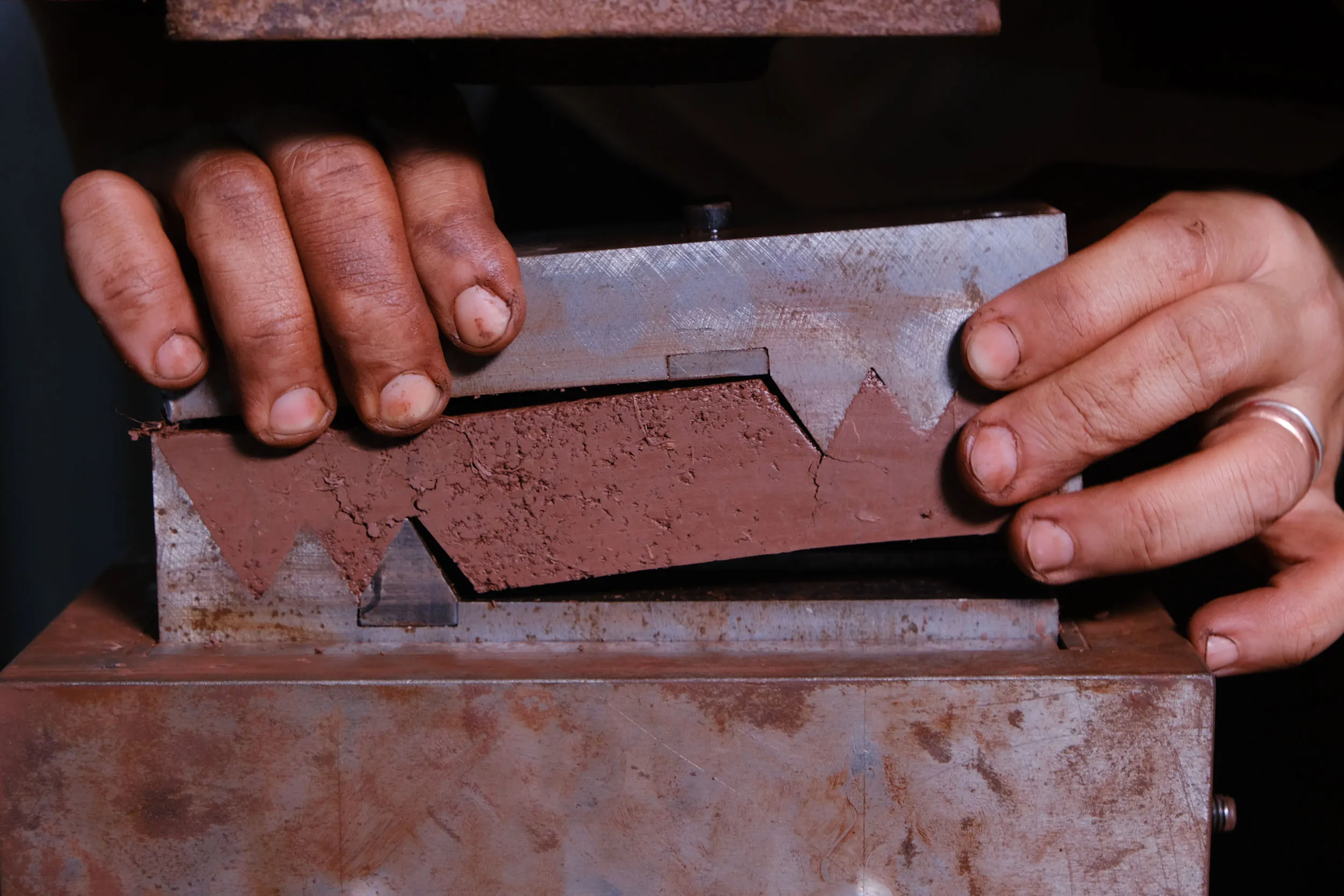
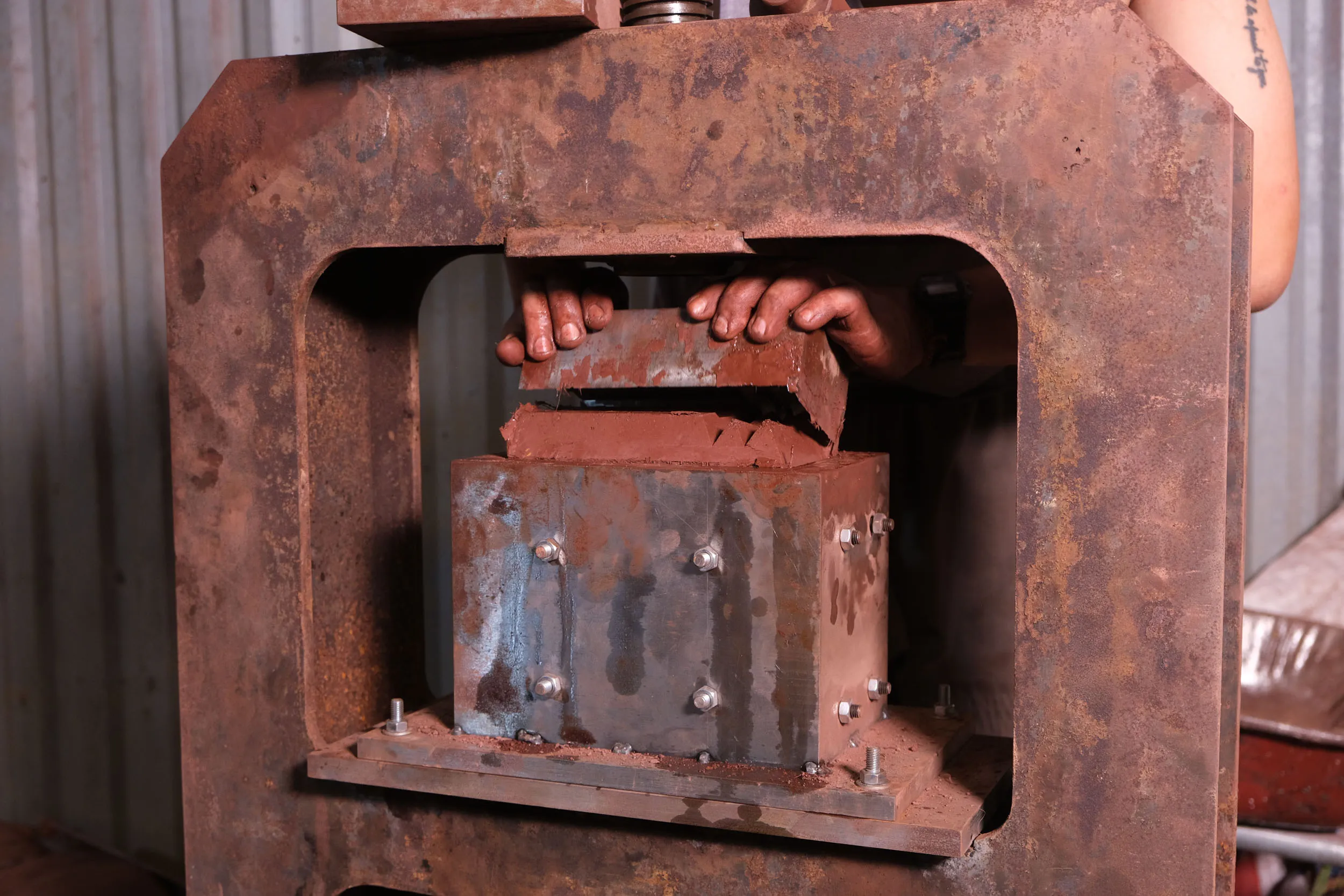
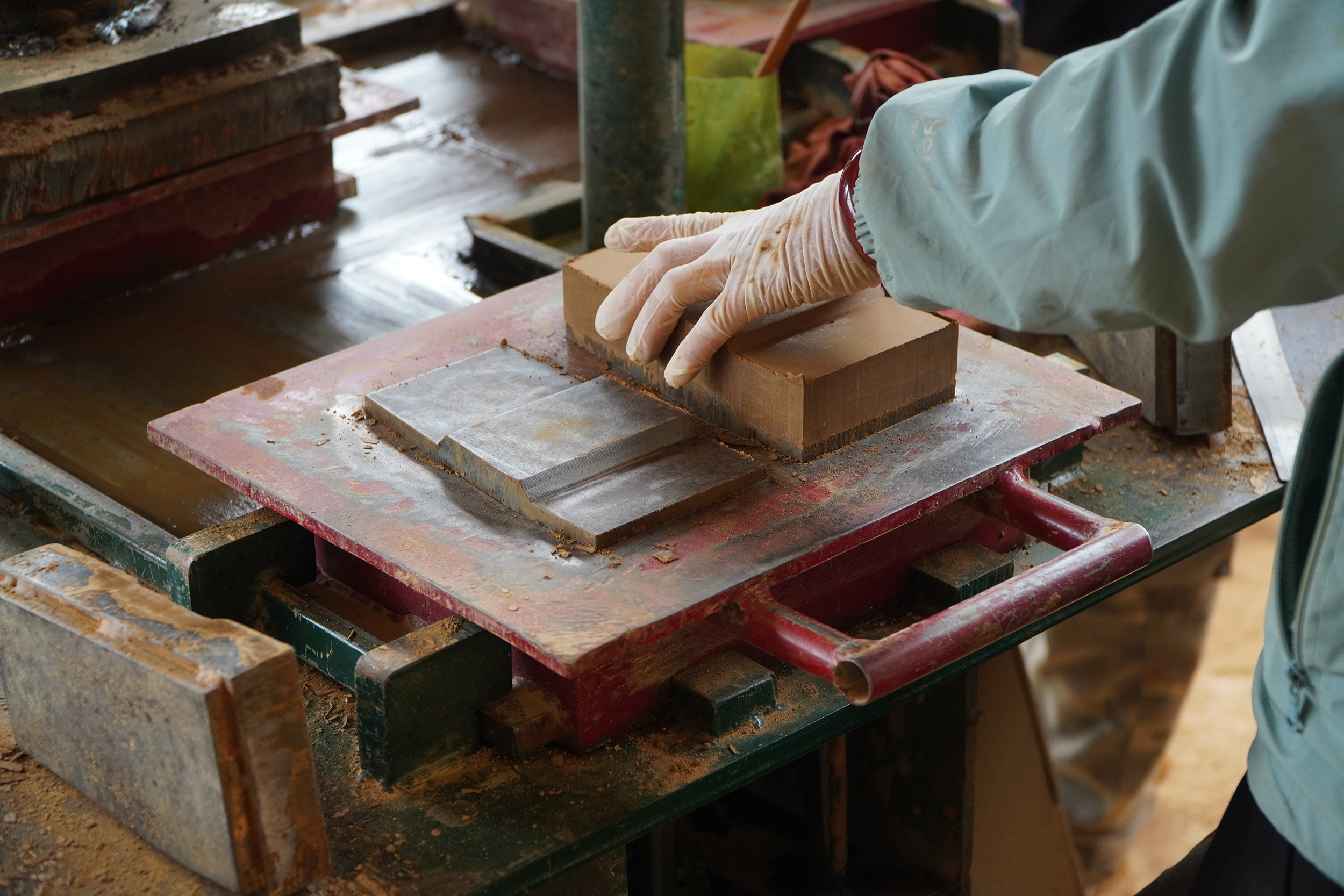
1. Mold and pressing system failures / adjustments.
2. Pineapple fibers clumped together when mixed with dry soil.
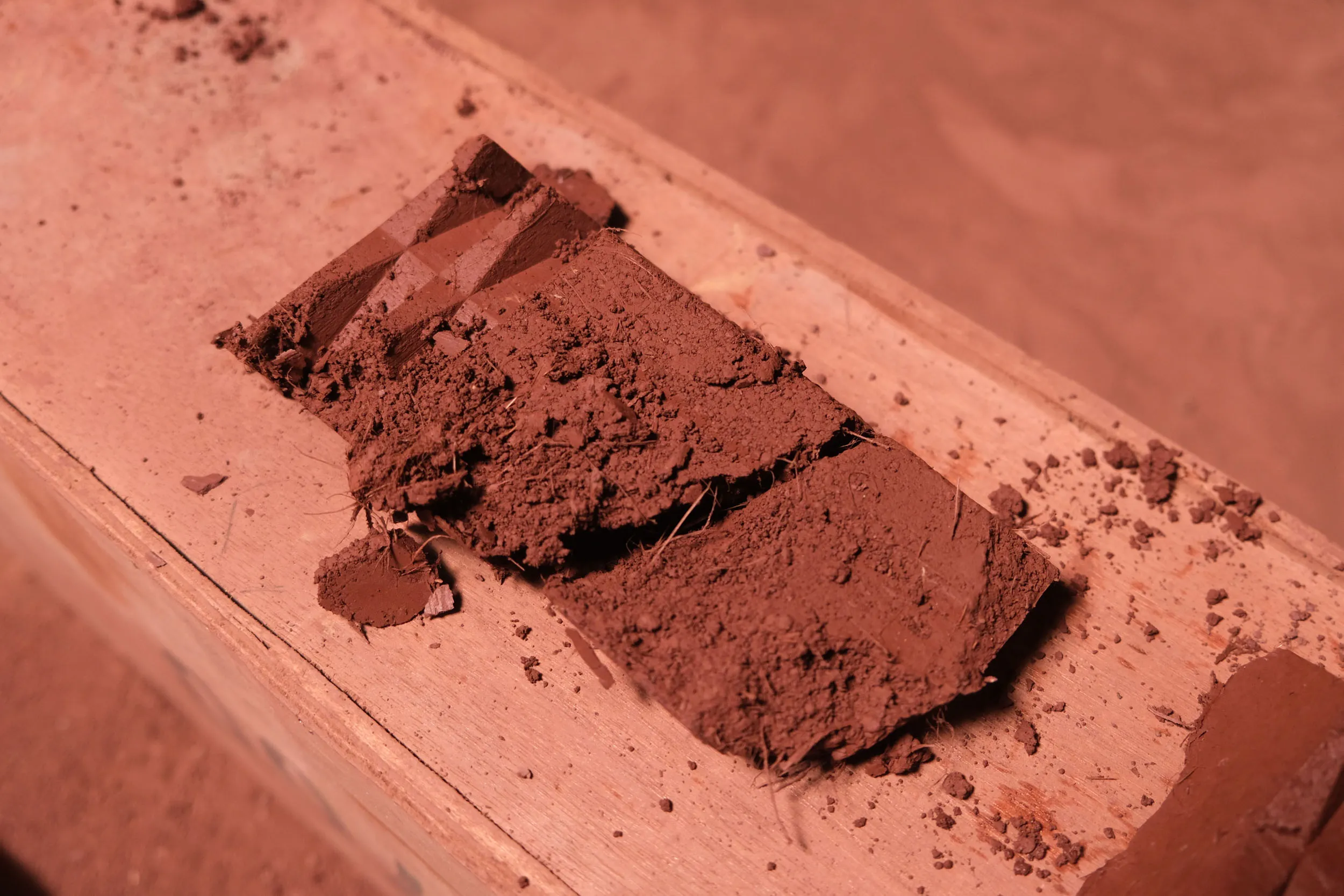
3. Blocks broke when we removed them from the customized mold.
4. Earth plaster: We applied a soil, bagasse, paper pulp, and sand mix to the lab wall. Linseed oil sealed it, but the plaster dried slowly and still shed dust. Beeswax alone made it glossy and wasteful. Beeswax mixed into linseed oil worked.