

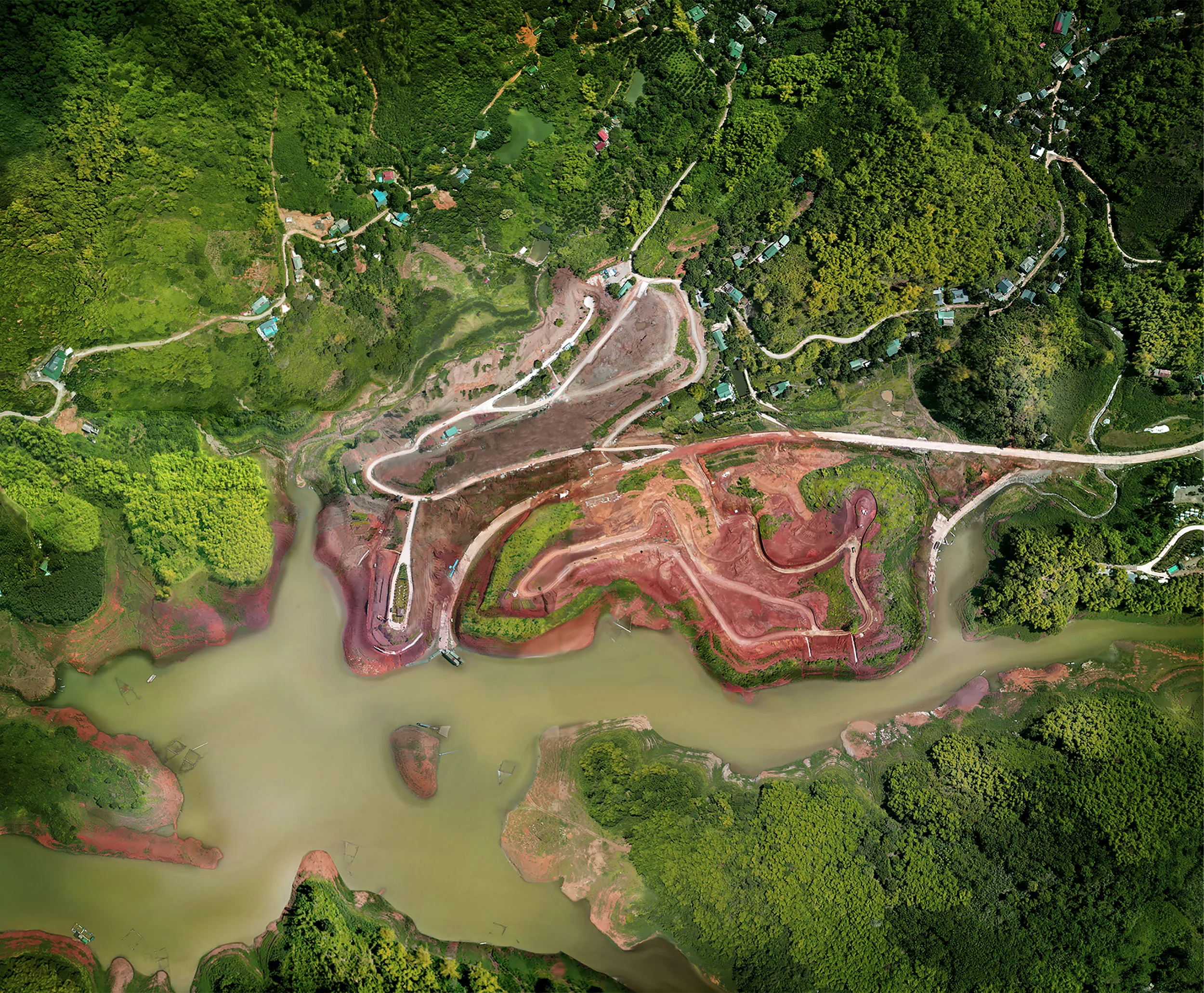
Cao Phong
Province:
Hoa Binh
GPS:
20.756065, 105.249208
Soil Type:
Feralictic Acrisols (Limestone)
Indigenous Group:
Mường
Prototype Status:
CEB DOE completed
Location Images

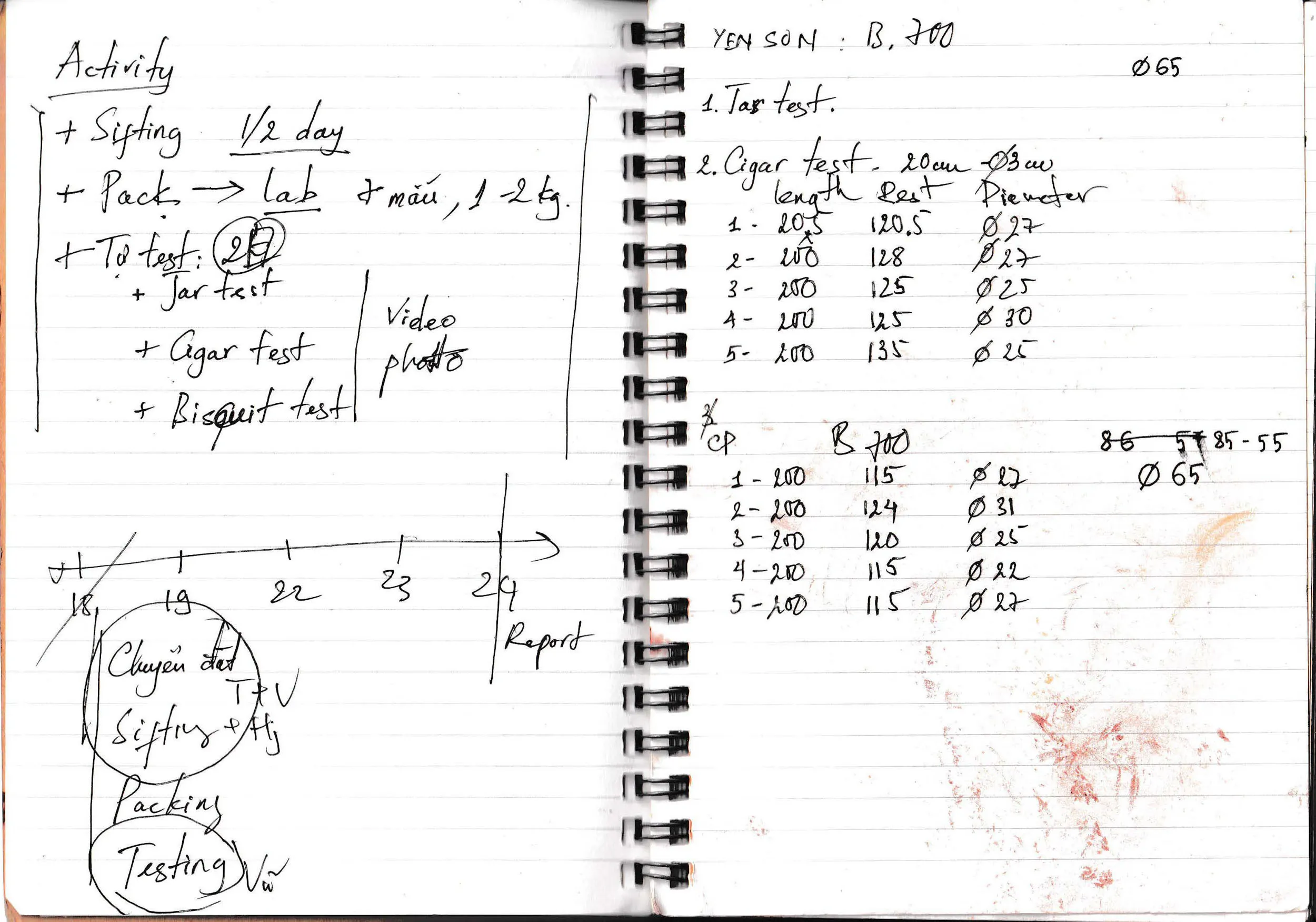
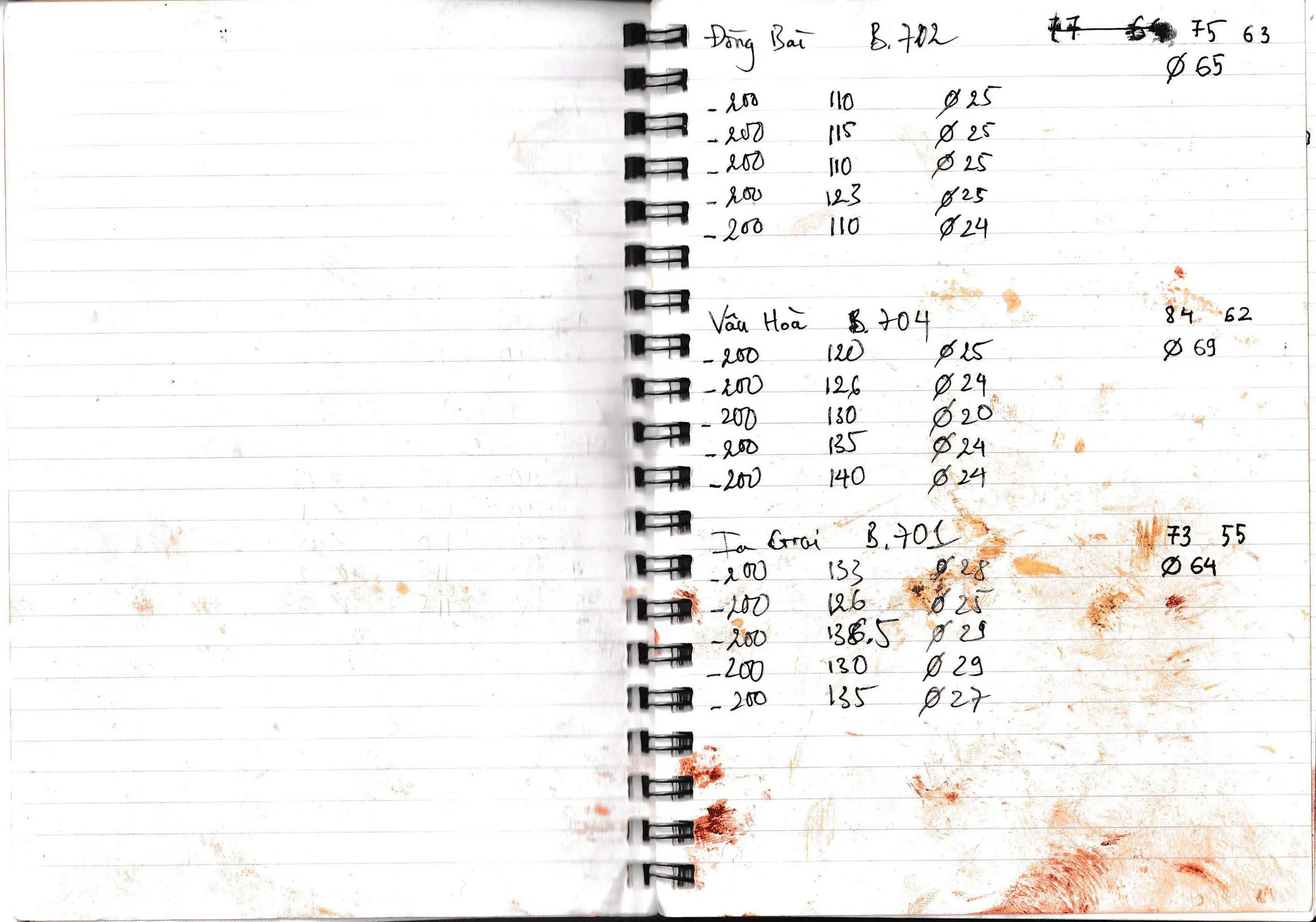
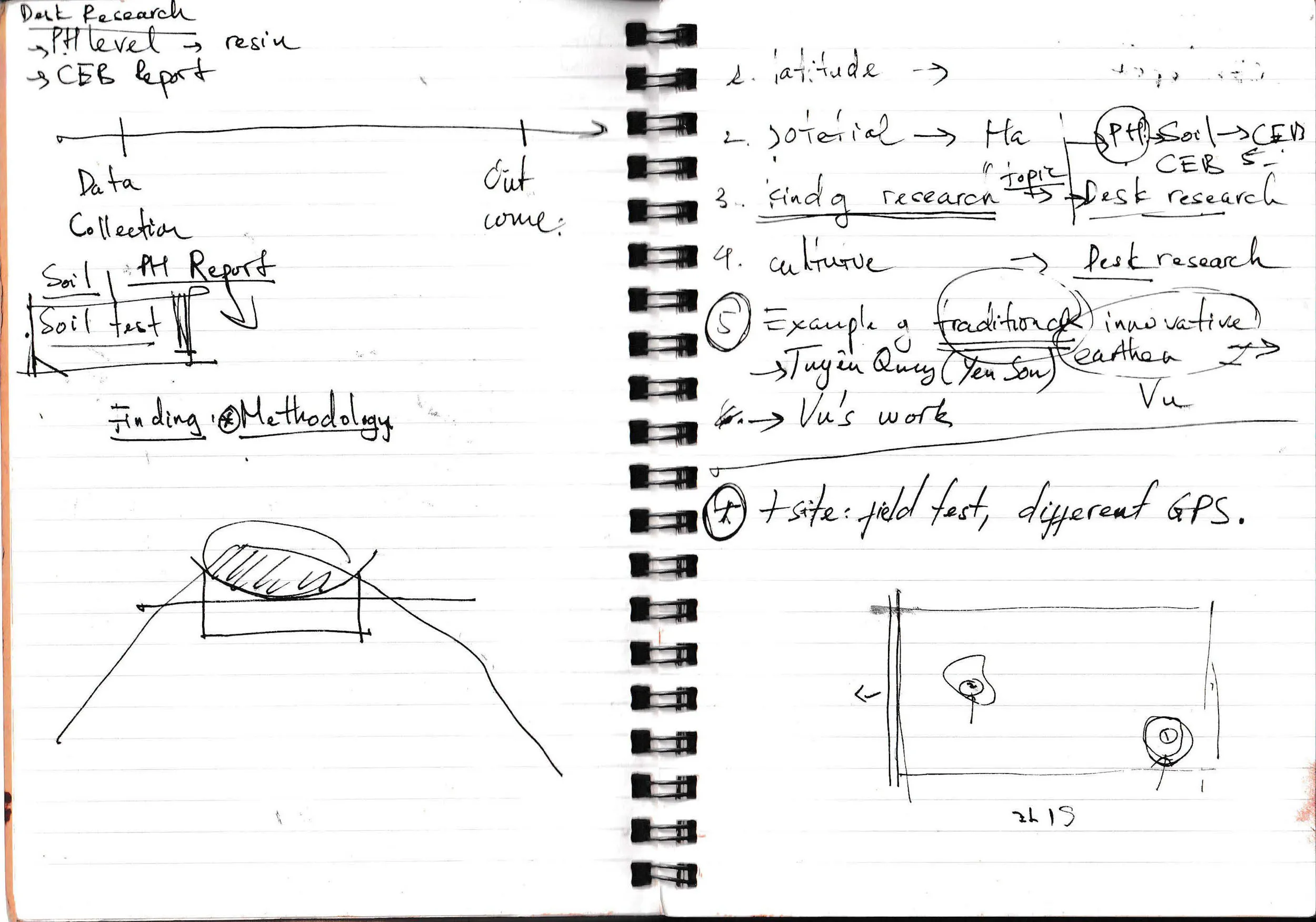
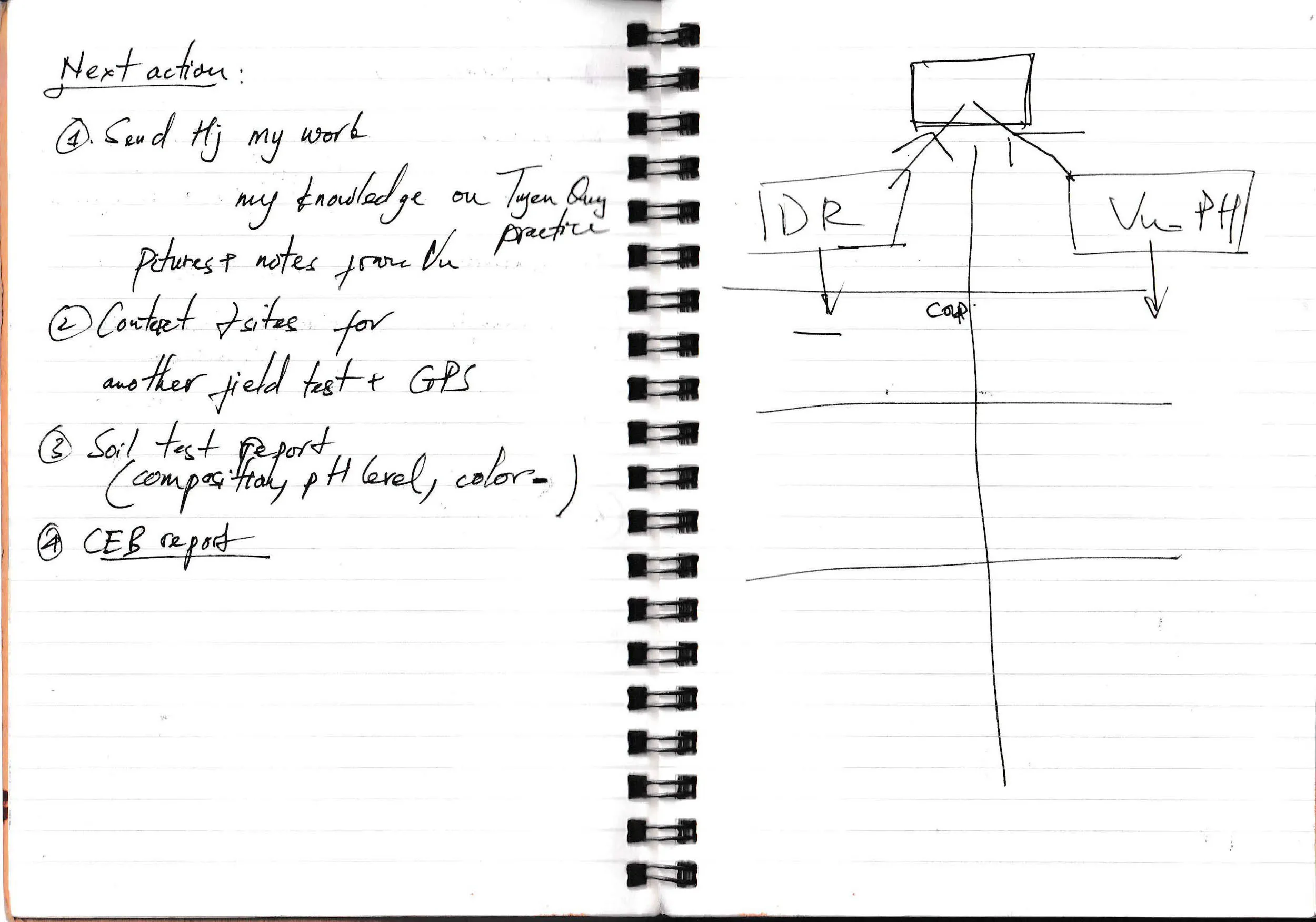
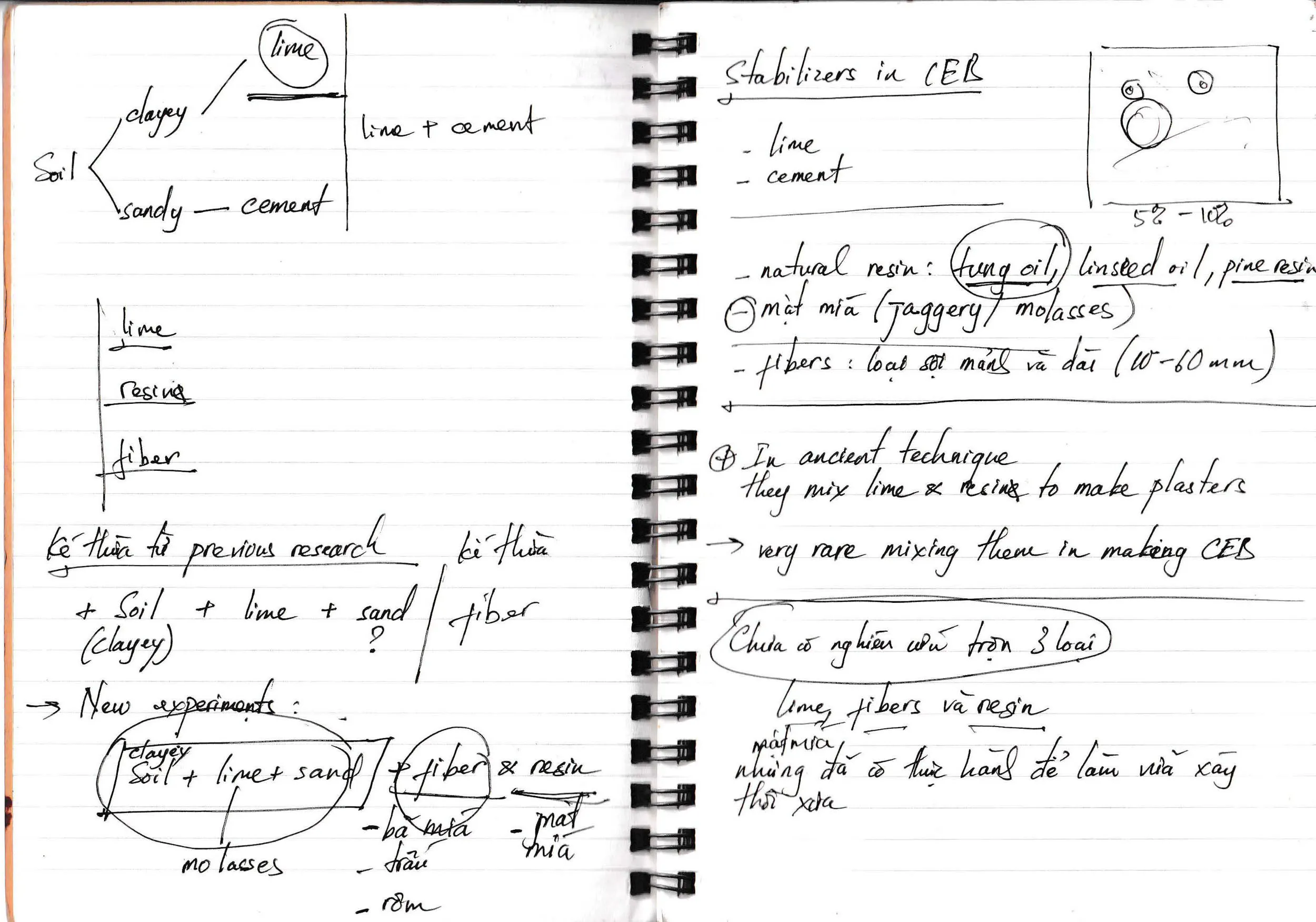
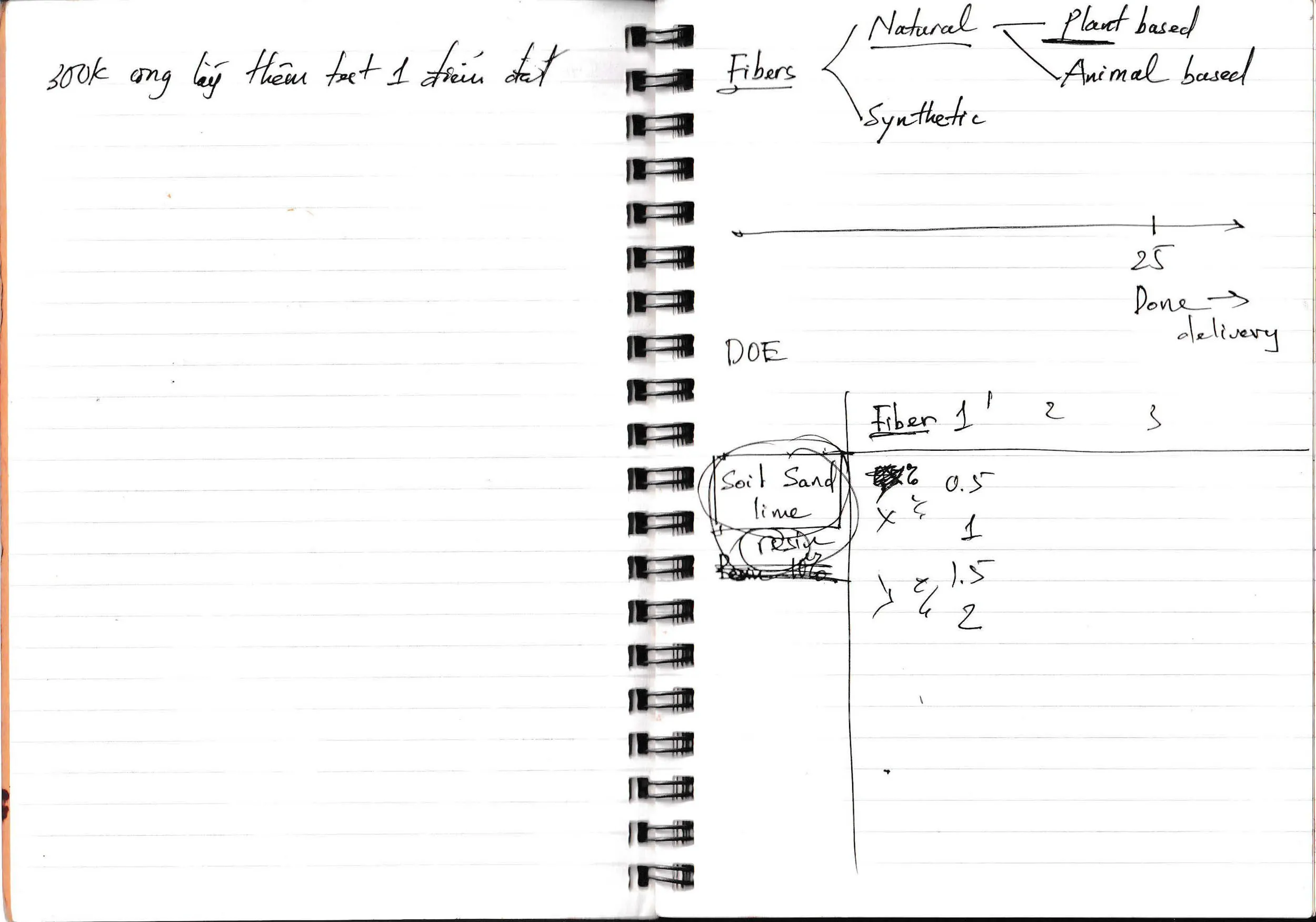
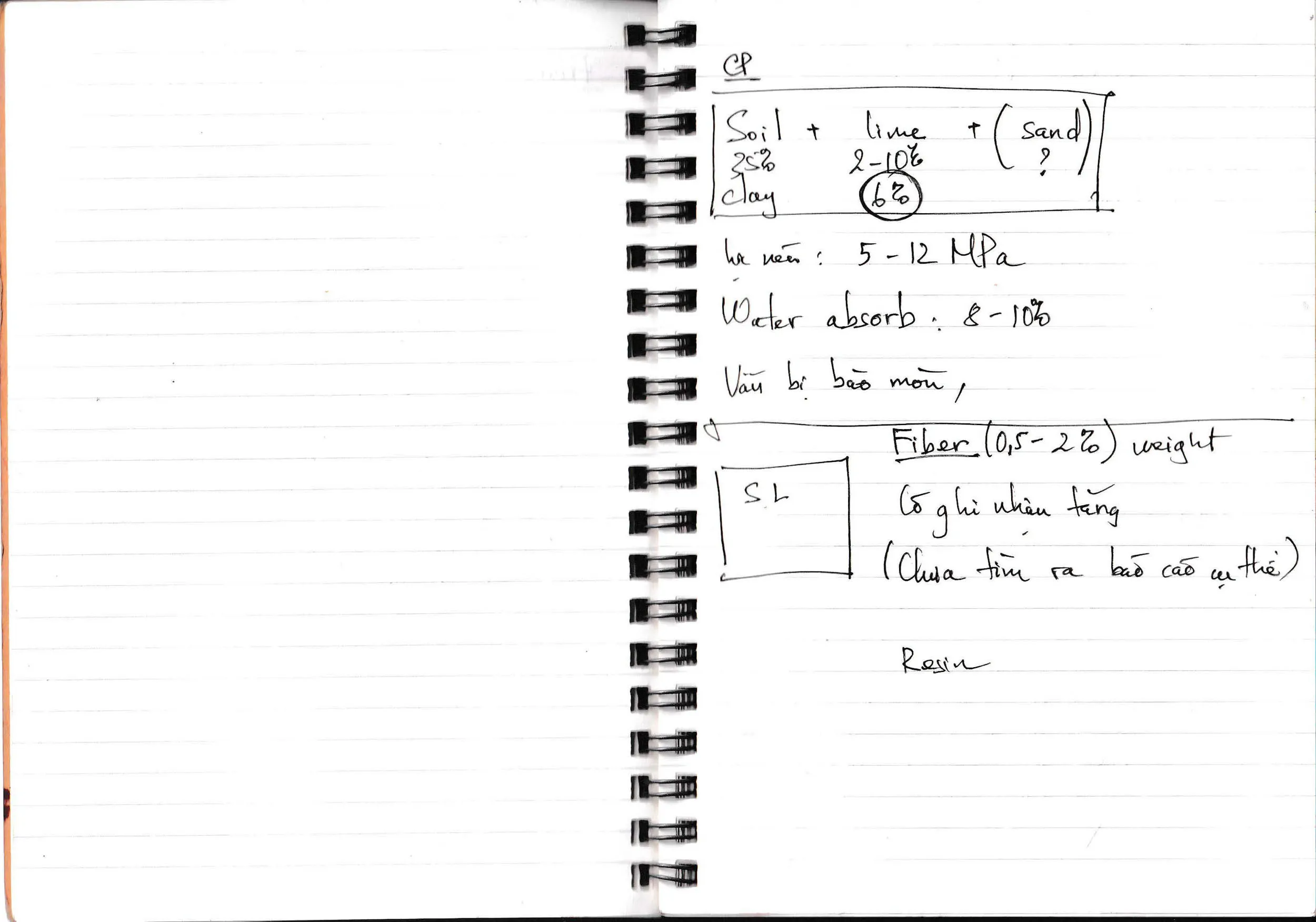
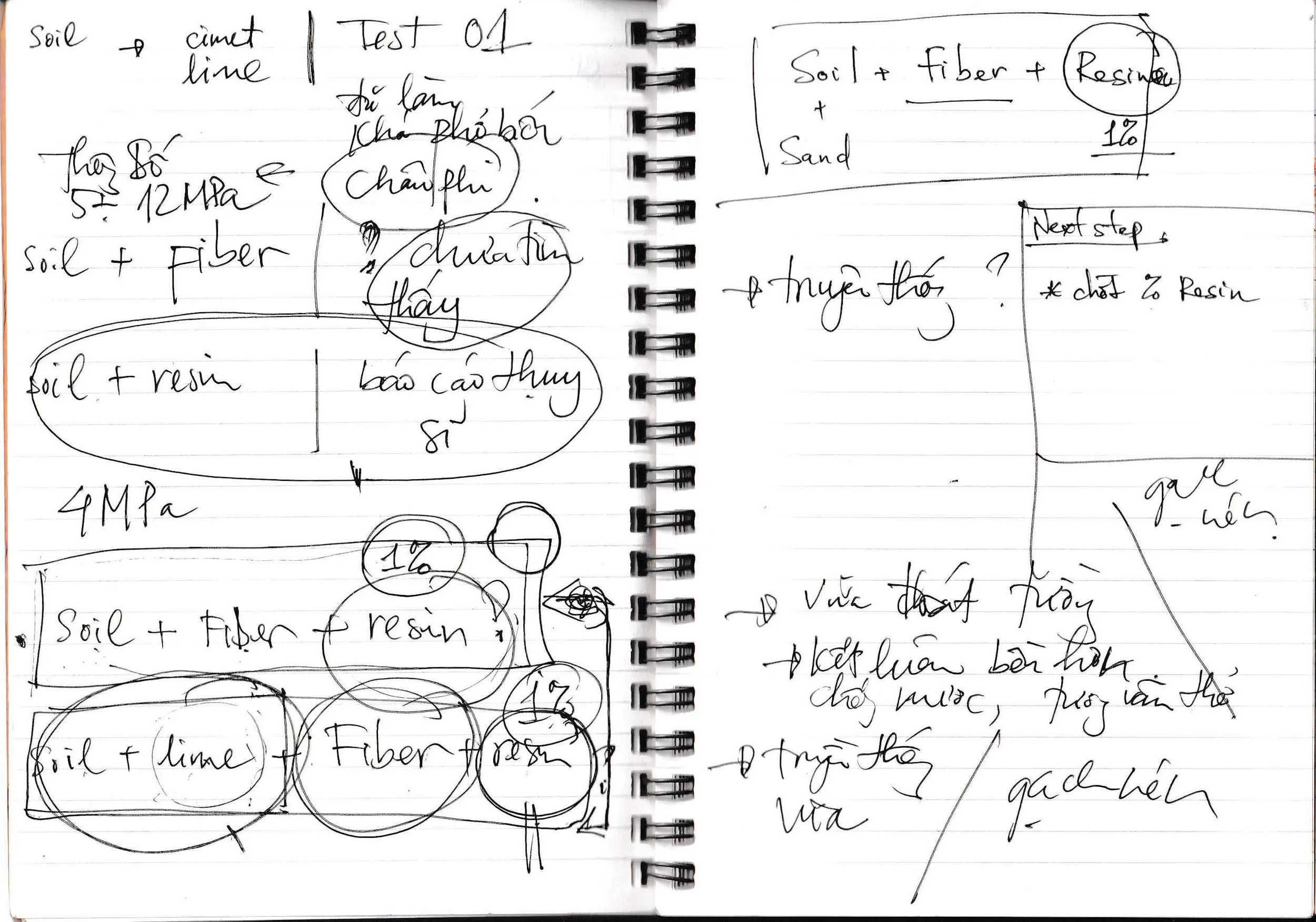
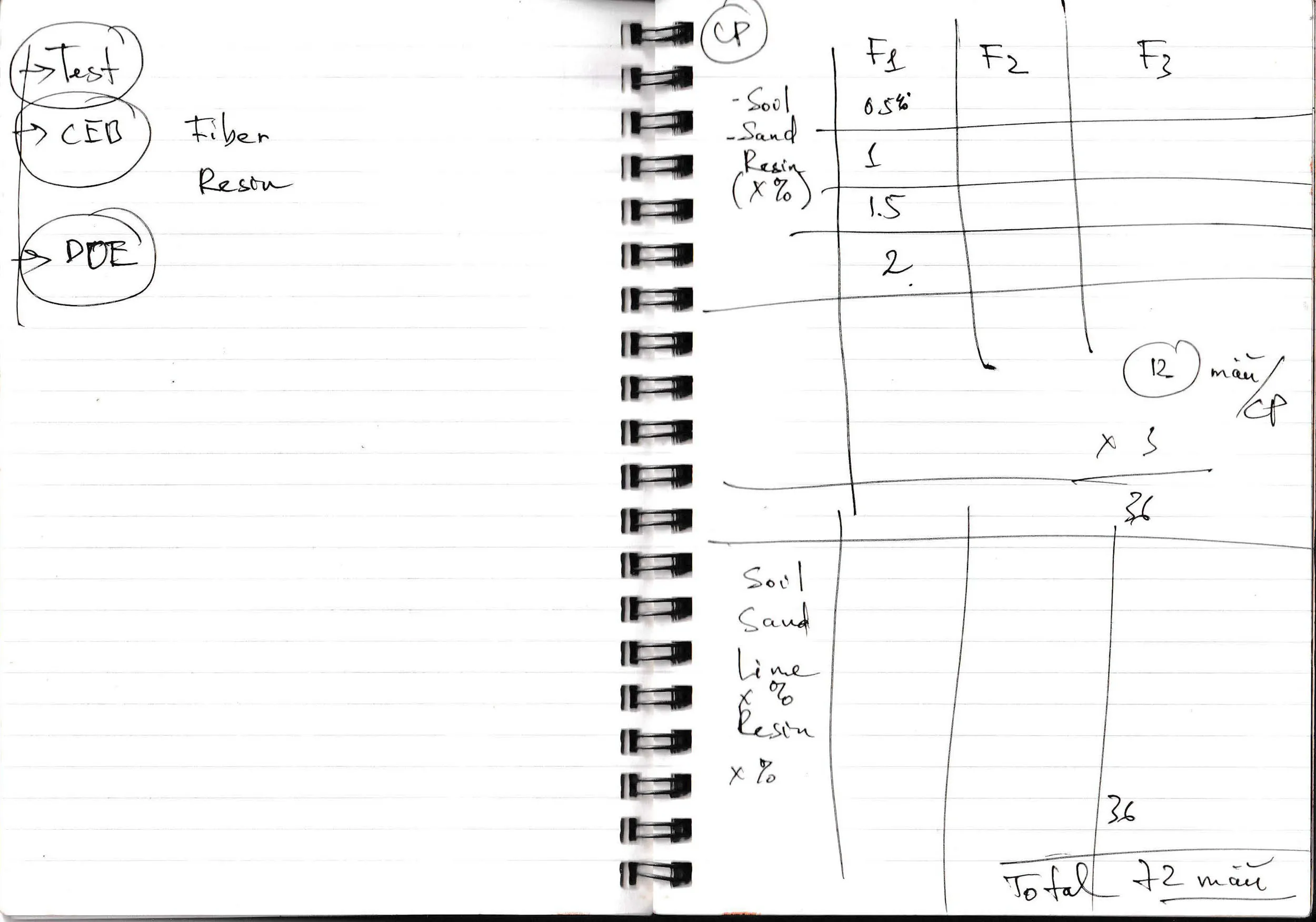
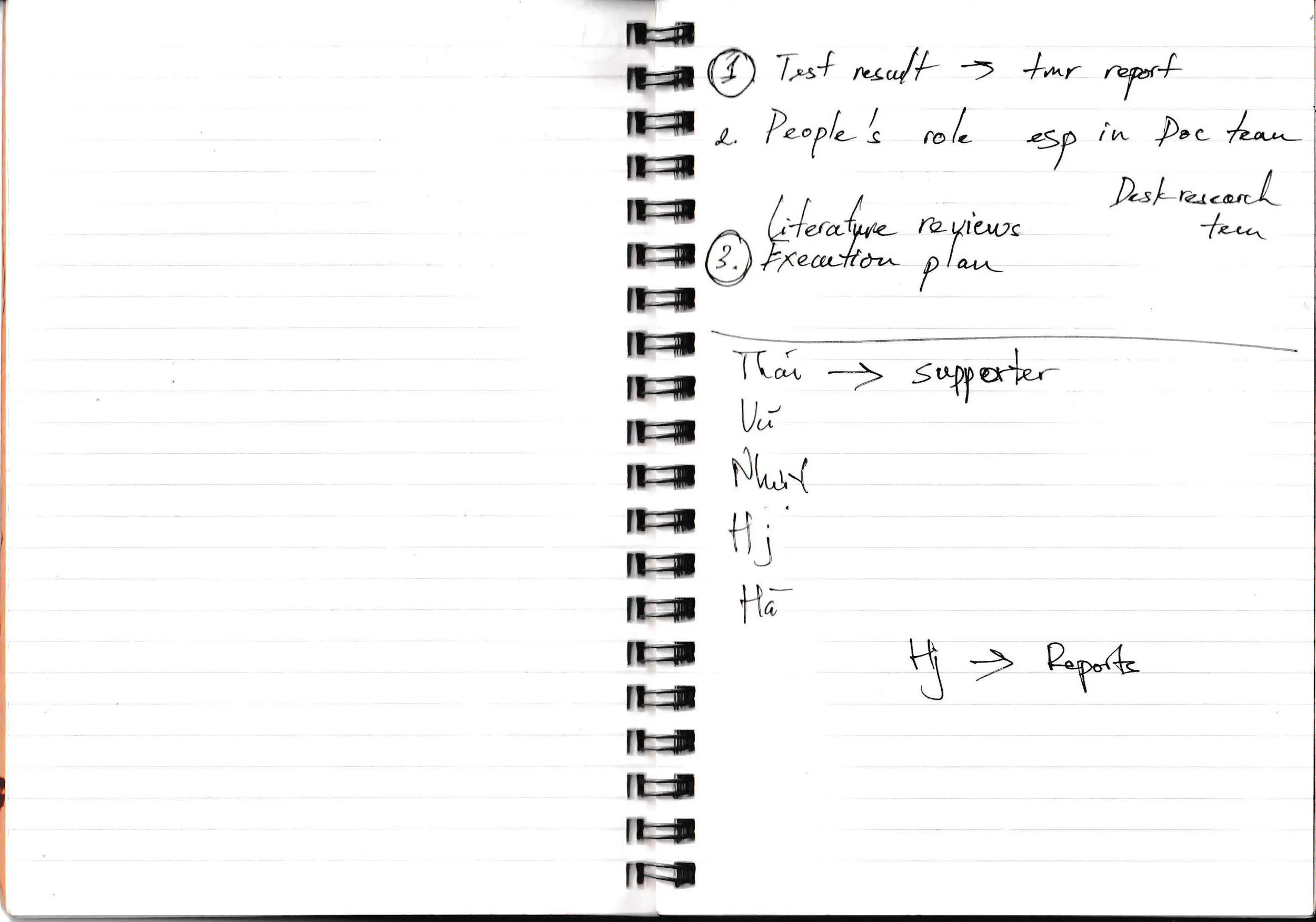
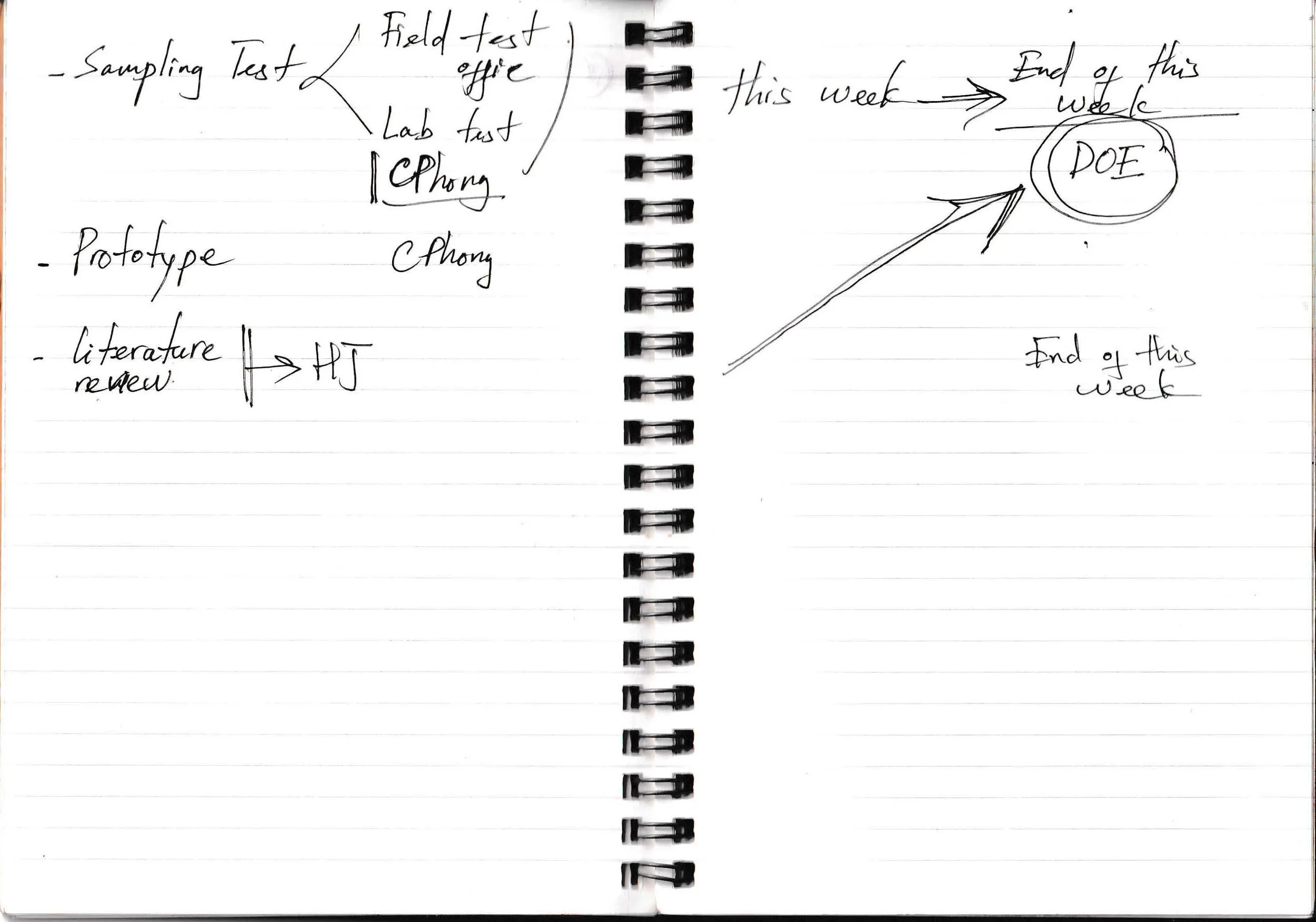
Fieldnotes
.webp)
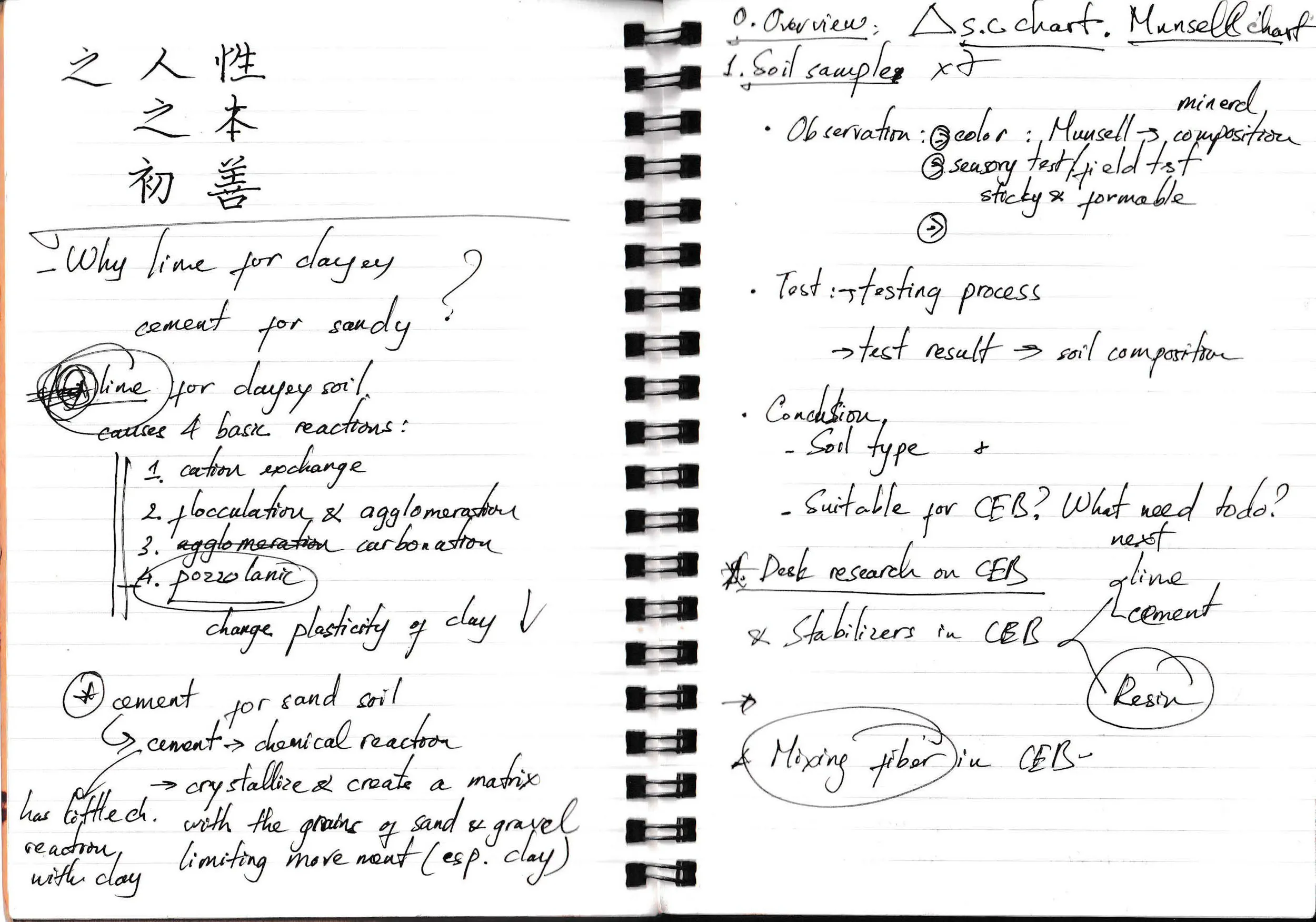
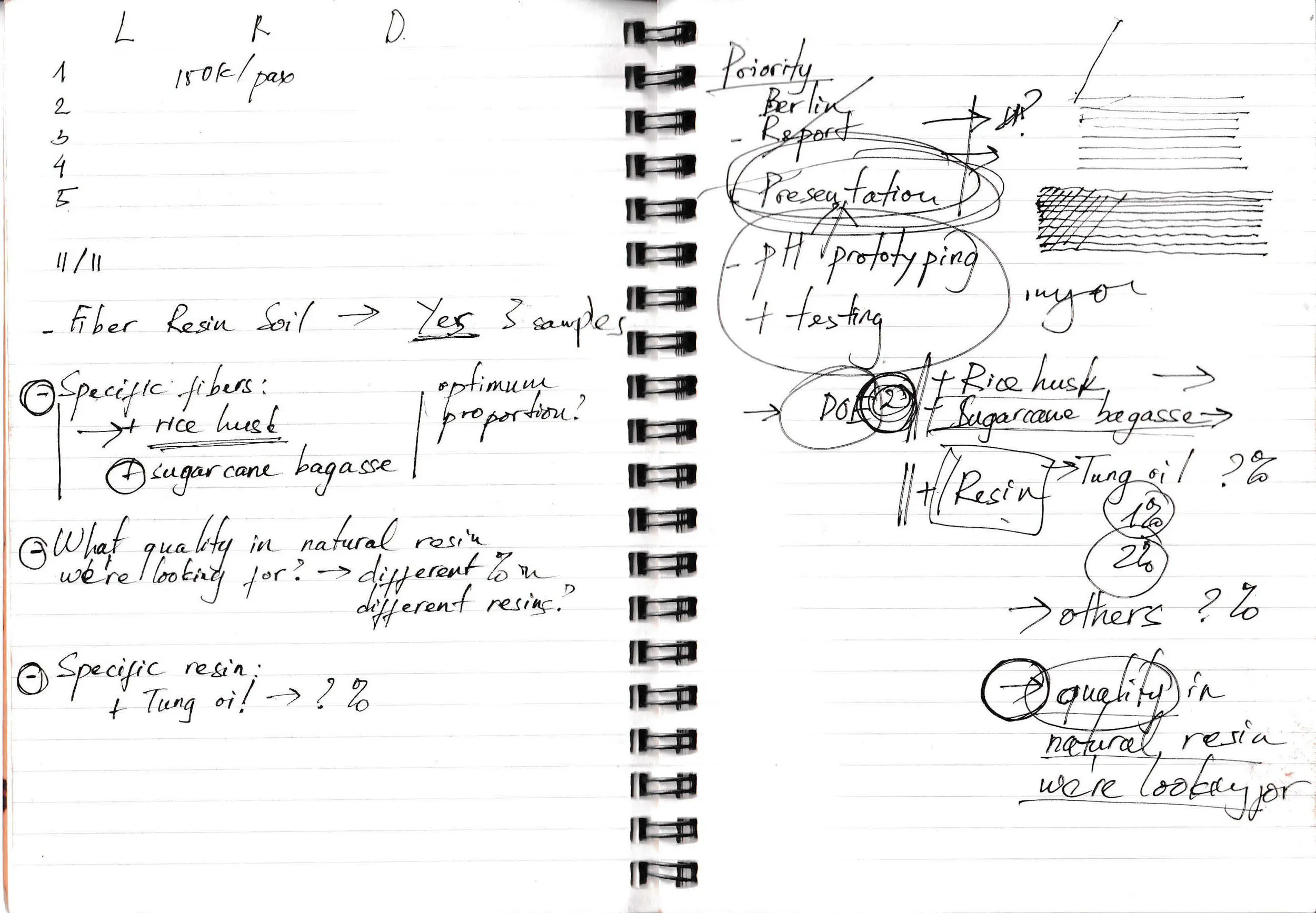
Property History
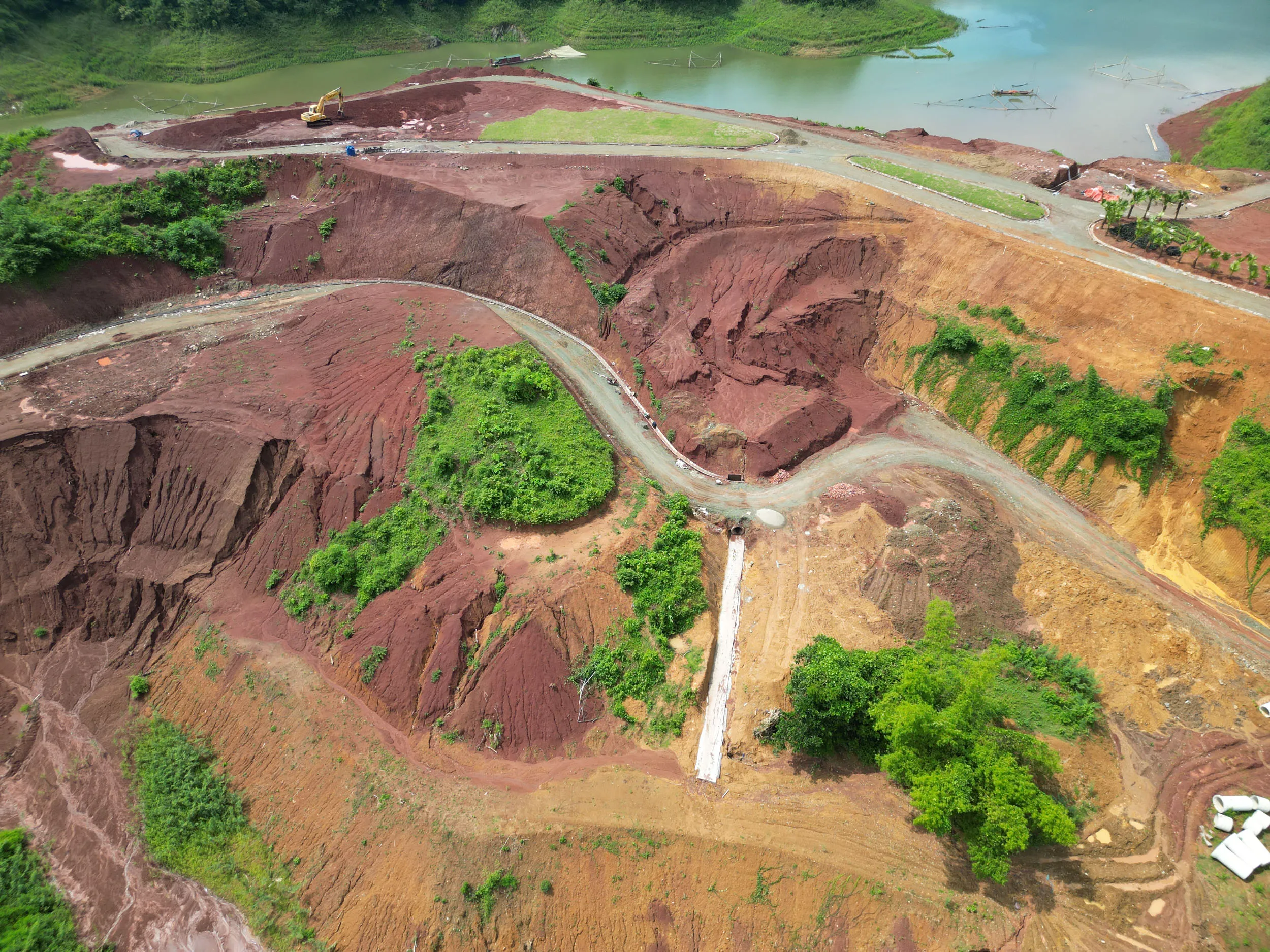
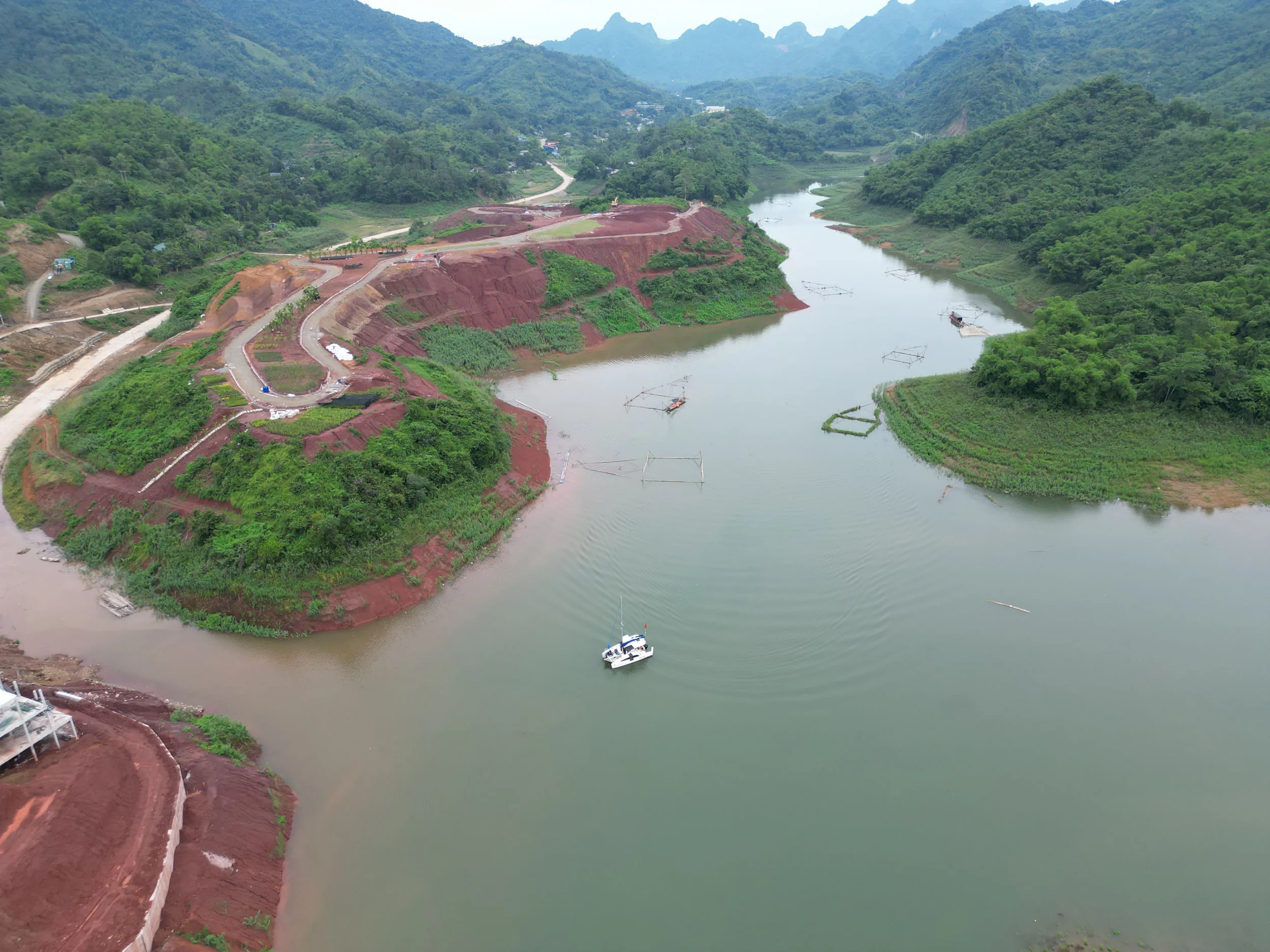
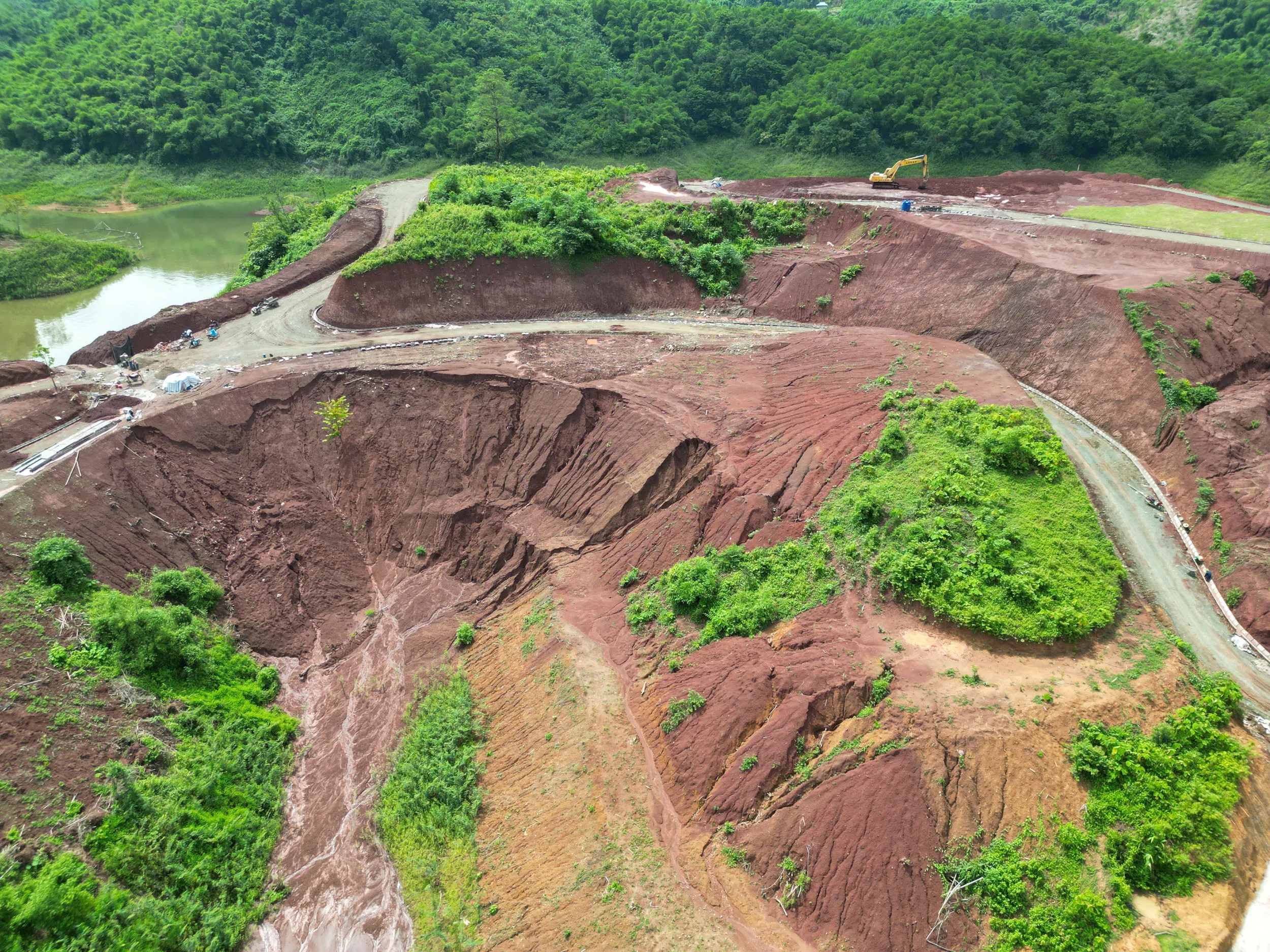
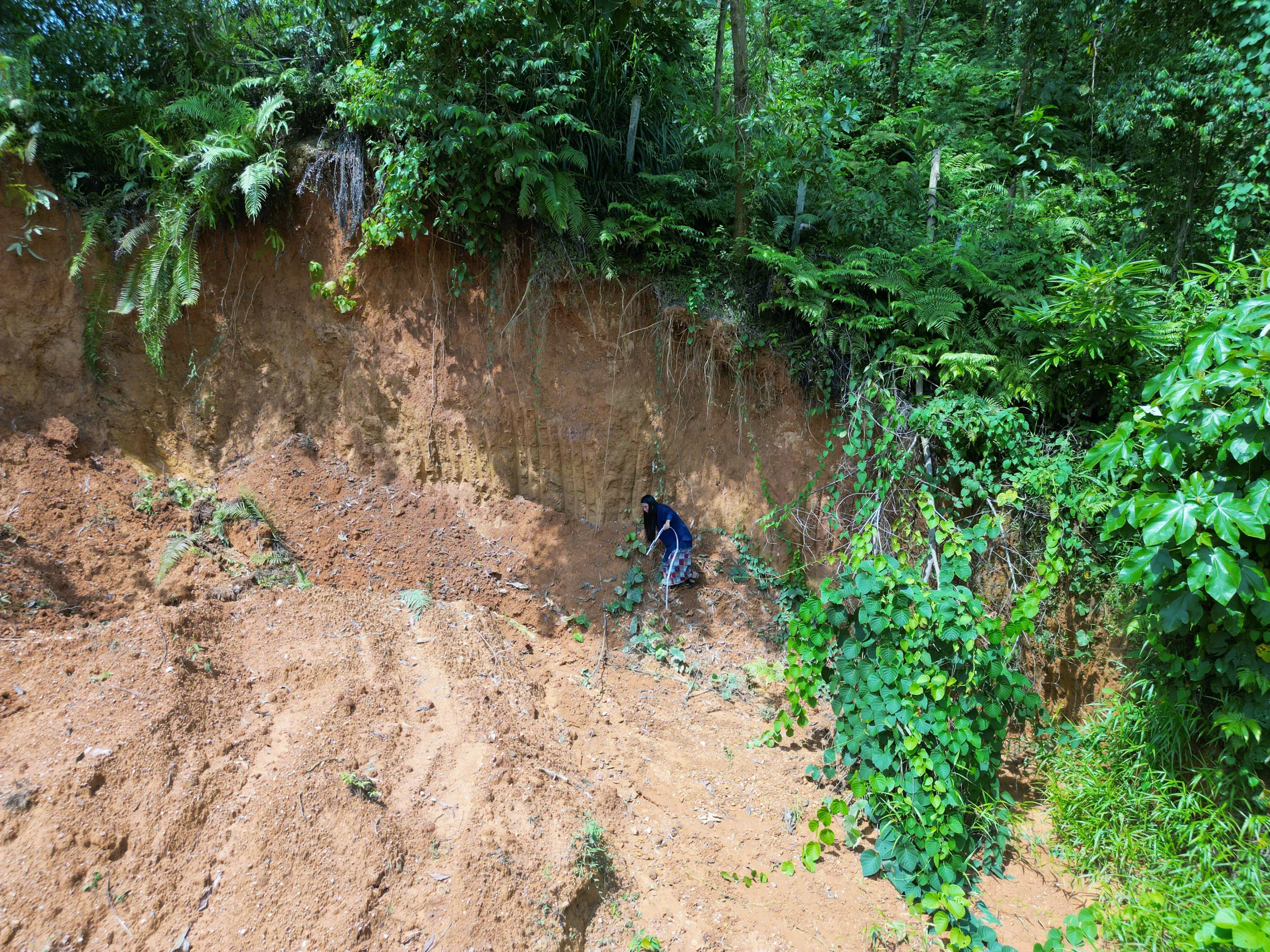
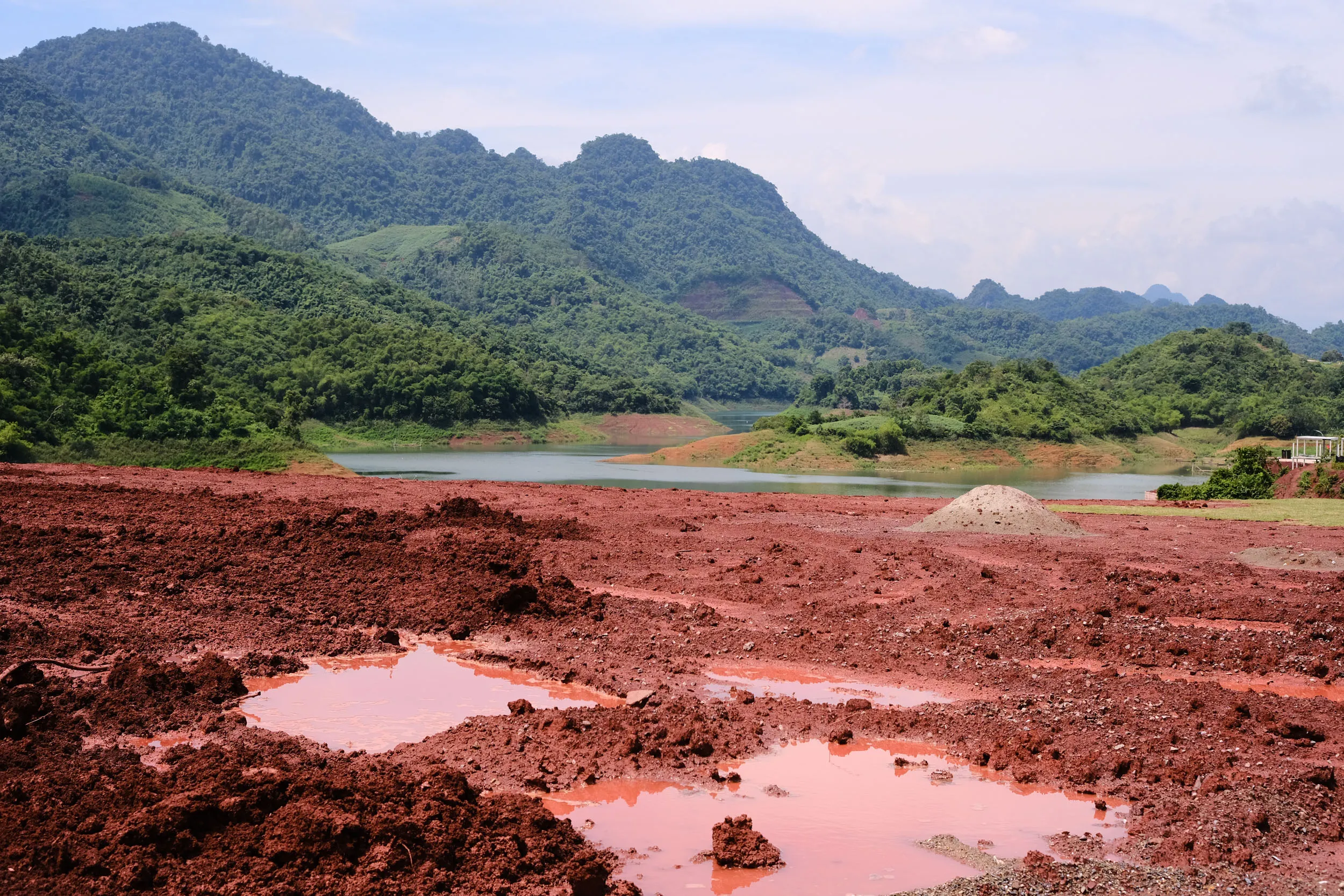
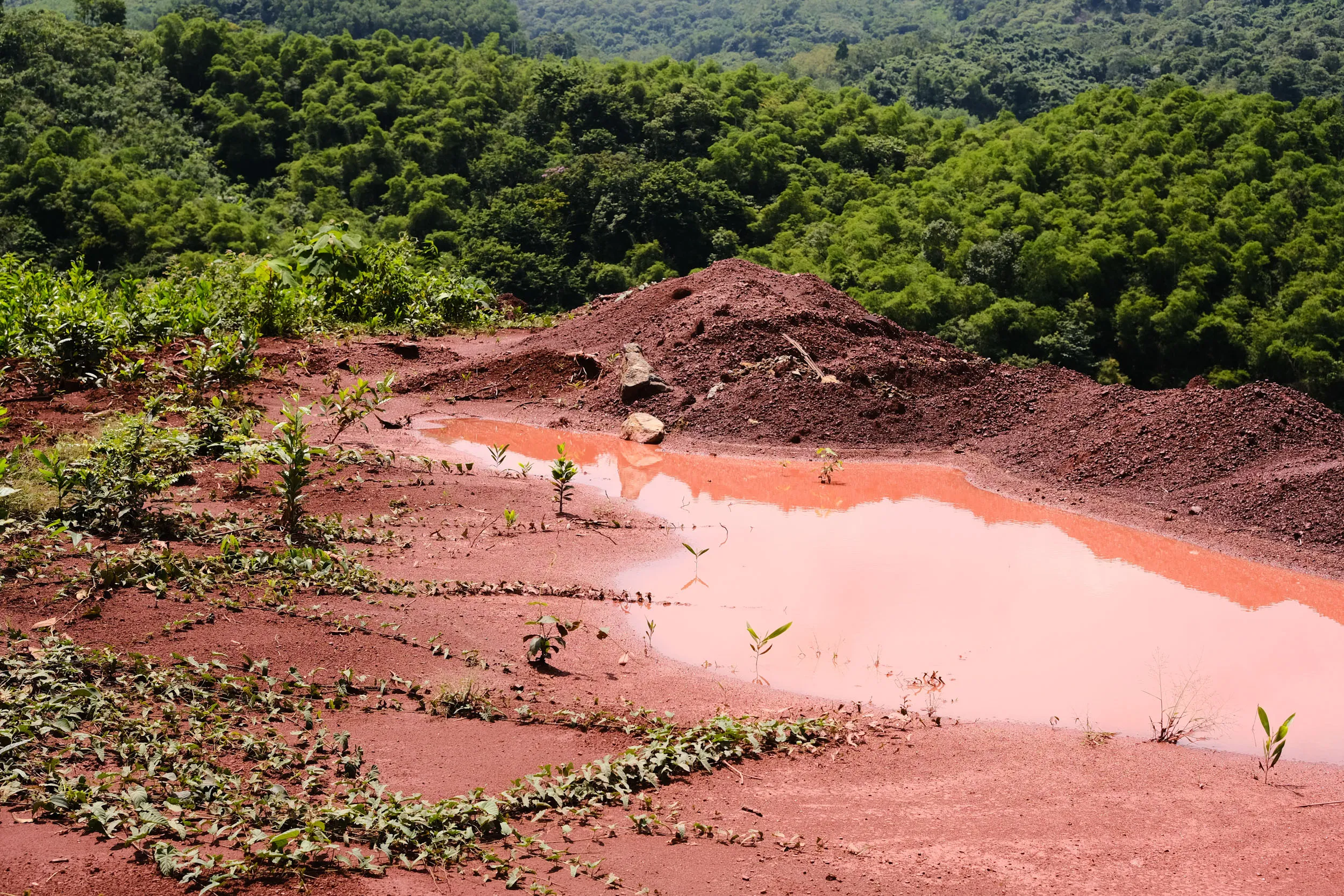
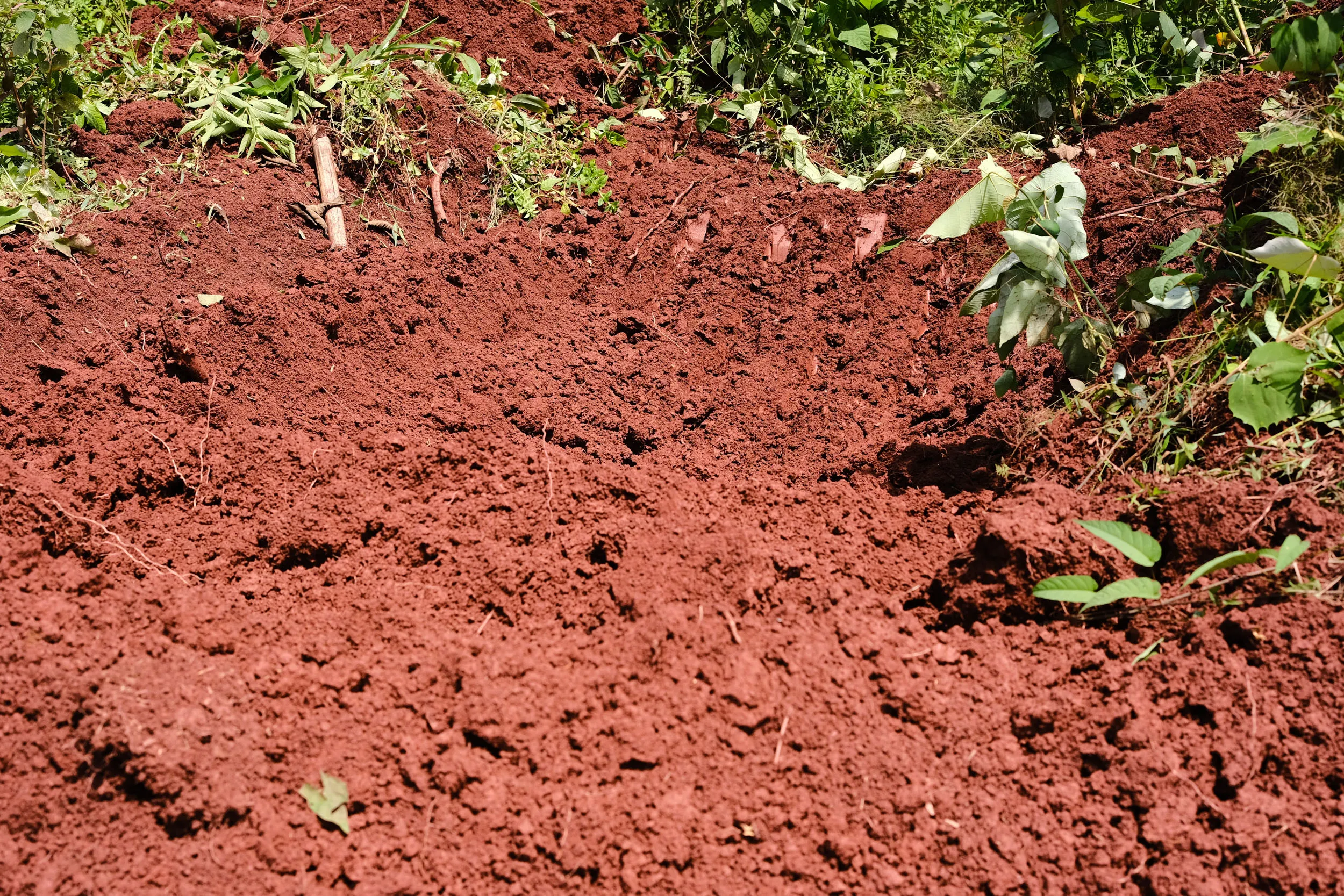
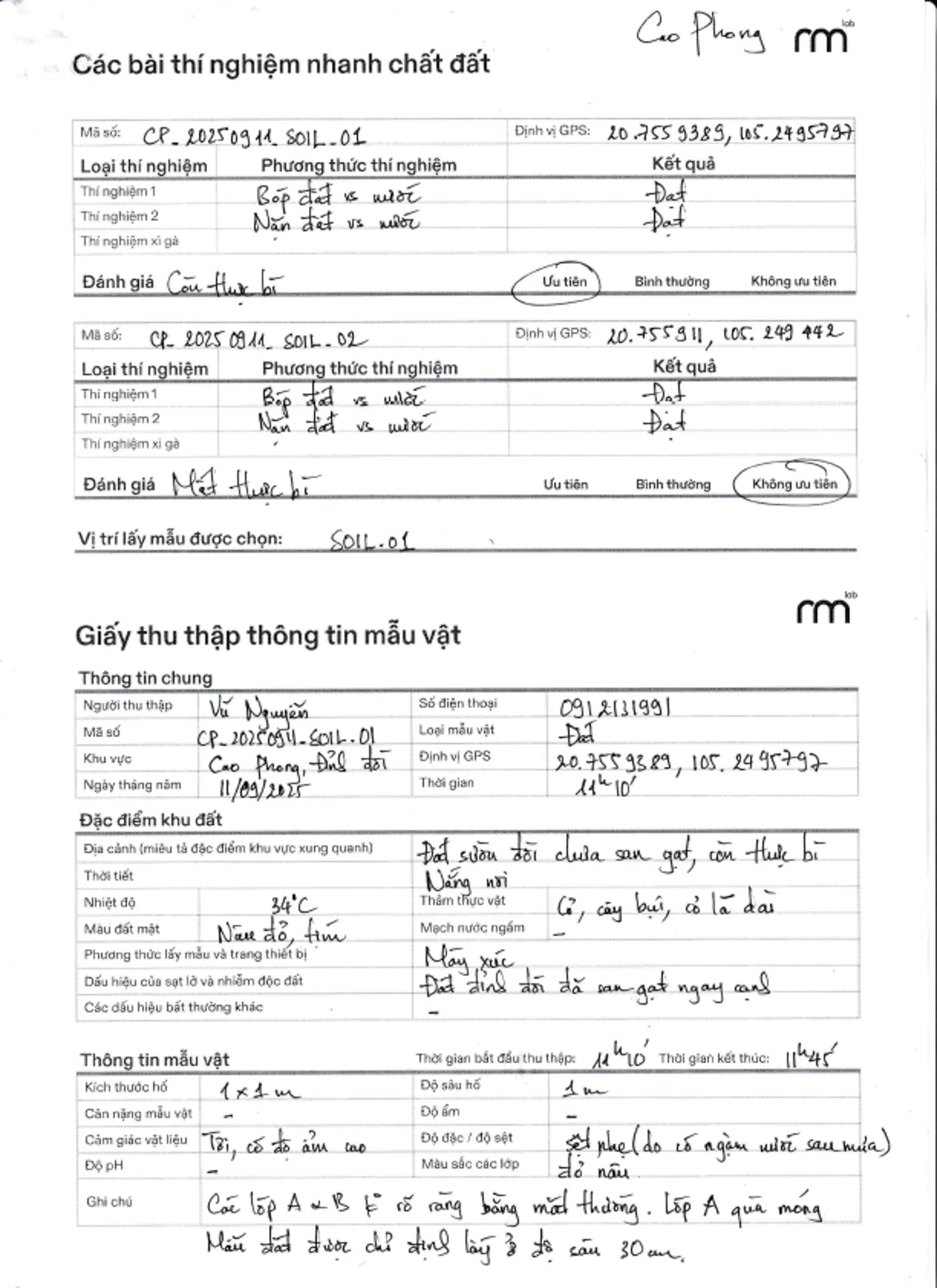
The site is located on the side of a hill that was recently flattened for construction, while the existing surface vegetation has been preserved.
Soil Layers
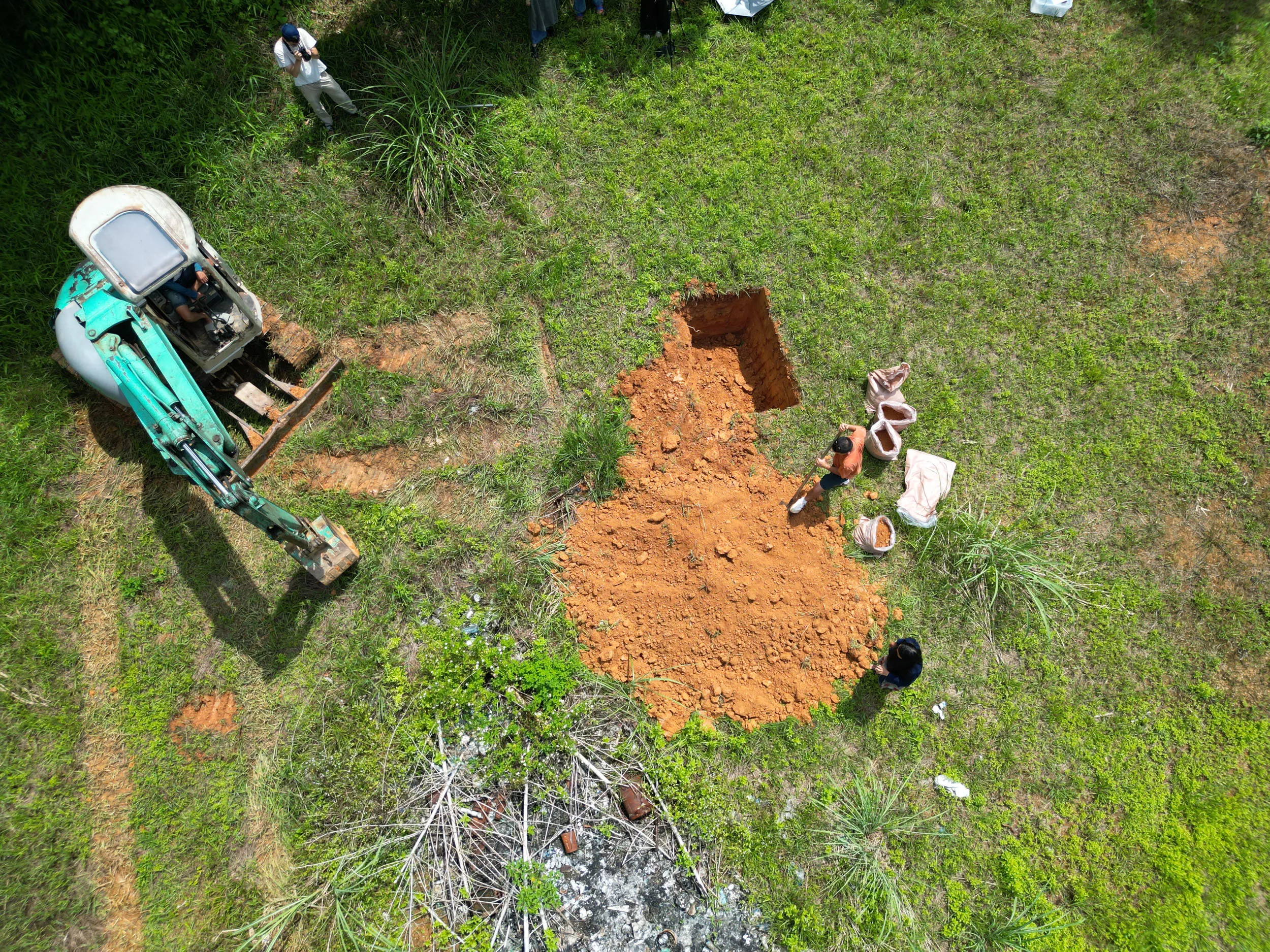
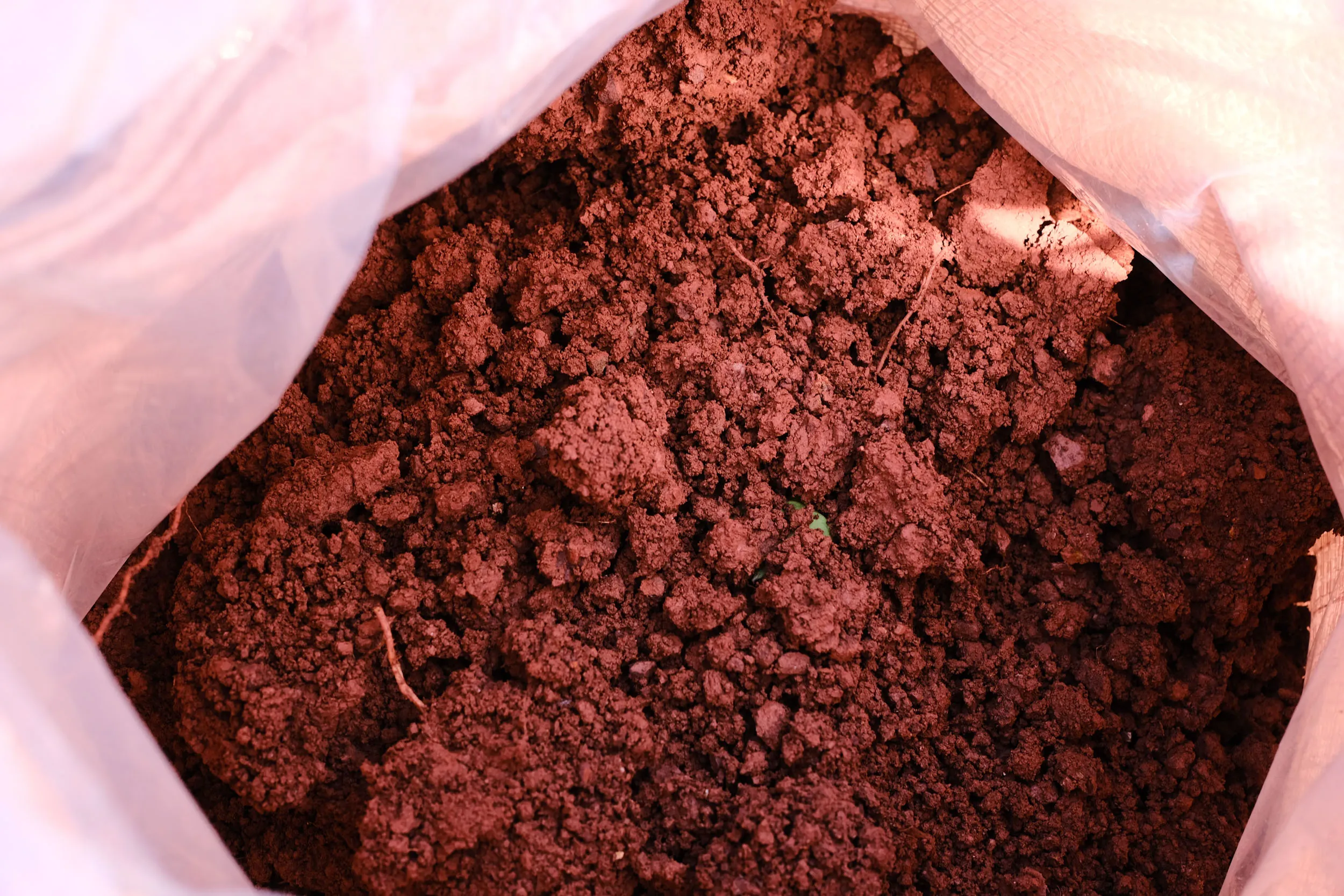
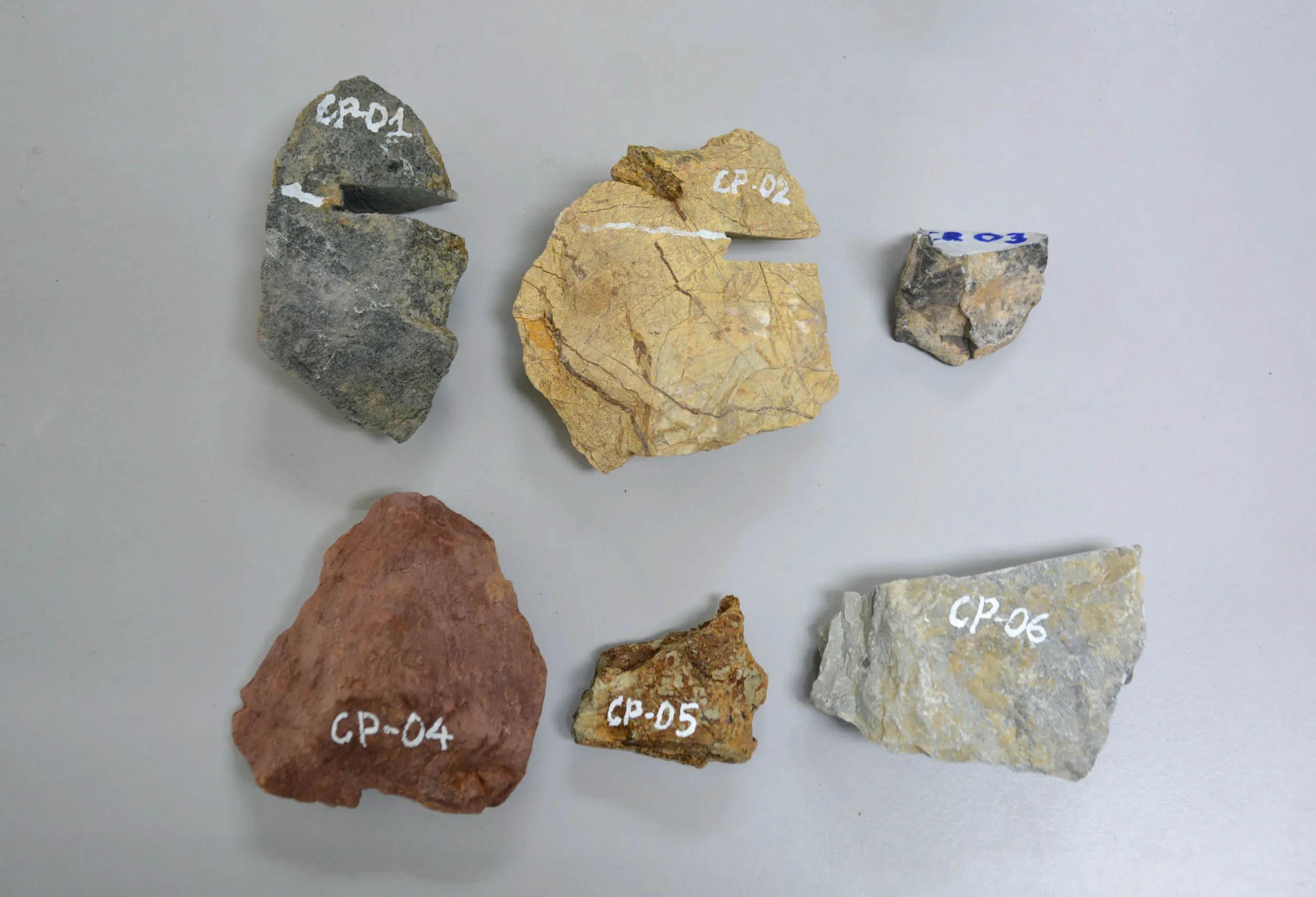
No clear identification of soil layers. The soil samples are taken under the root depth (30cm) to avoid organic matters.
Sensory Tests
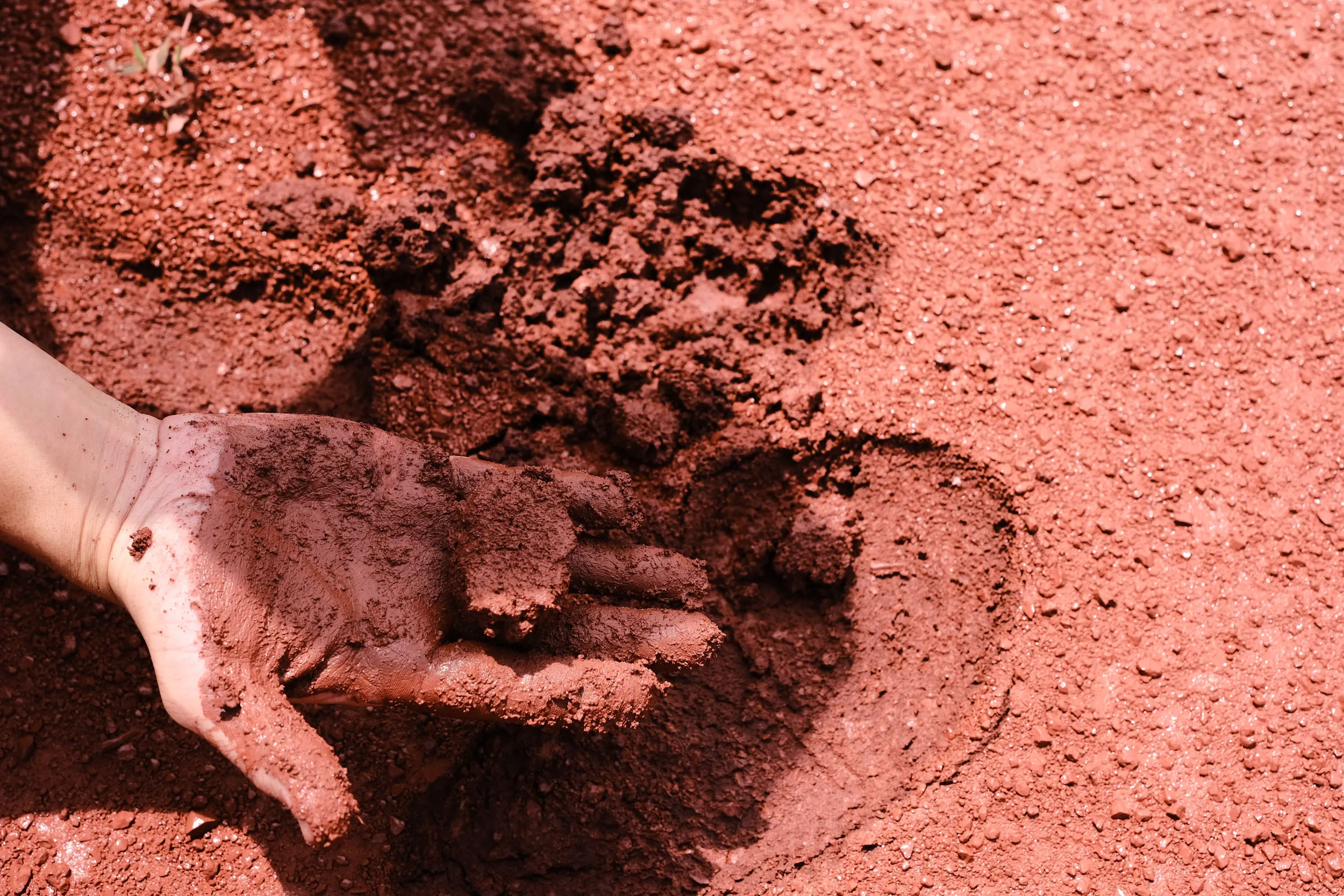
Sticky with a rough feeling (of gravel) and easily shapeable.
Physical
Physical
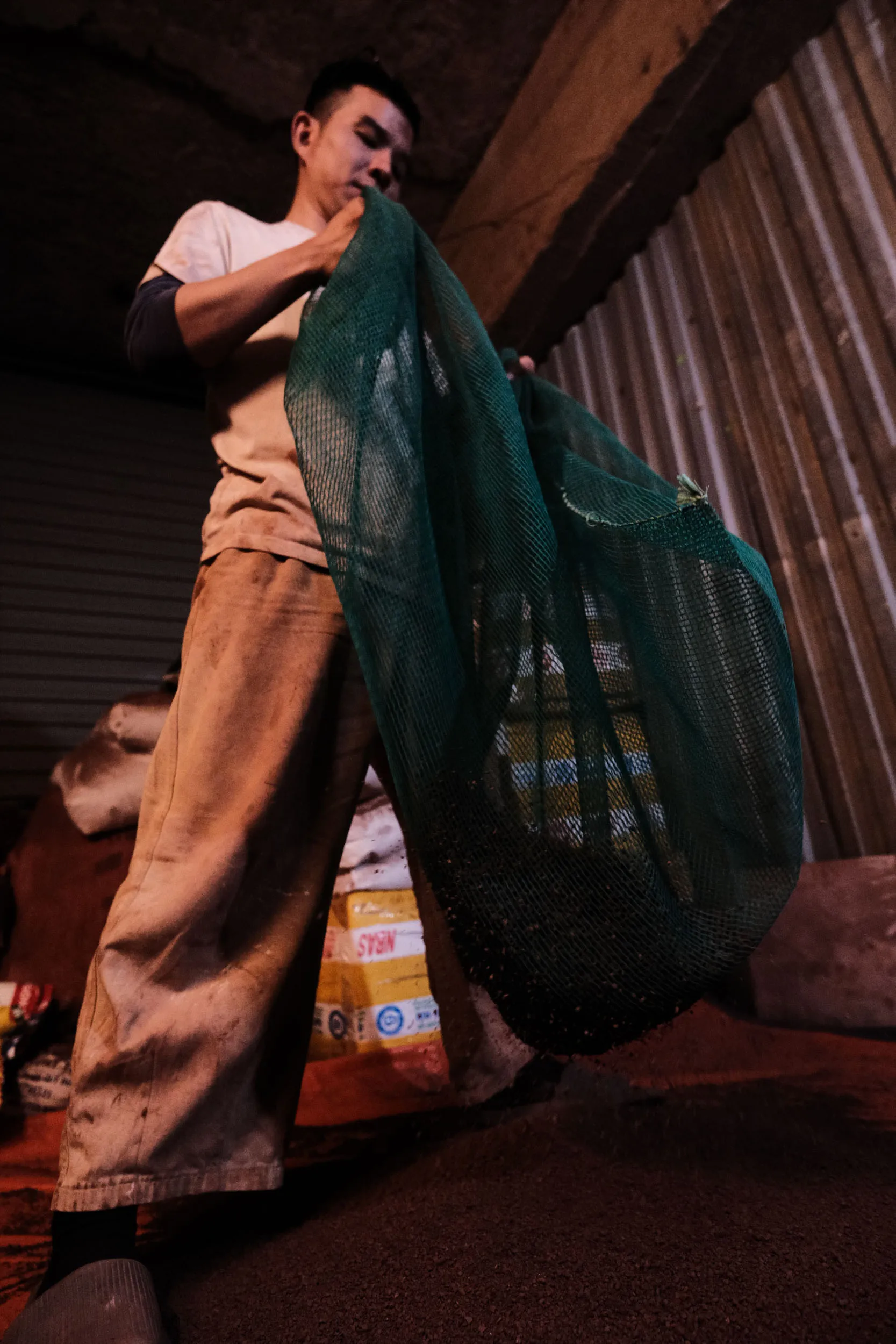
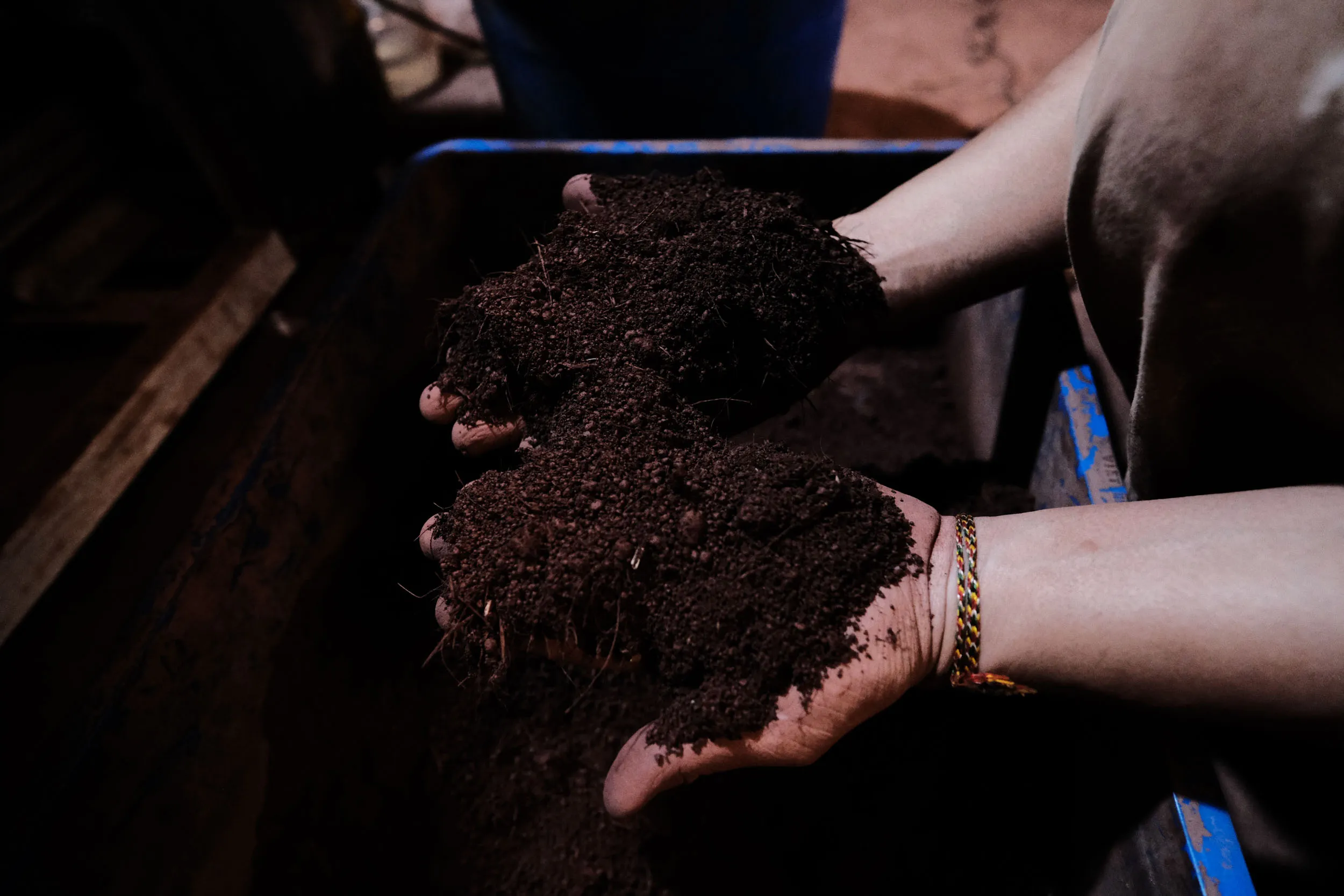
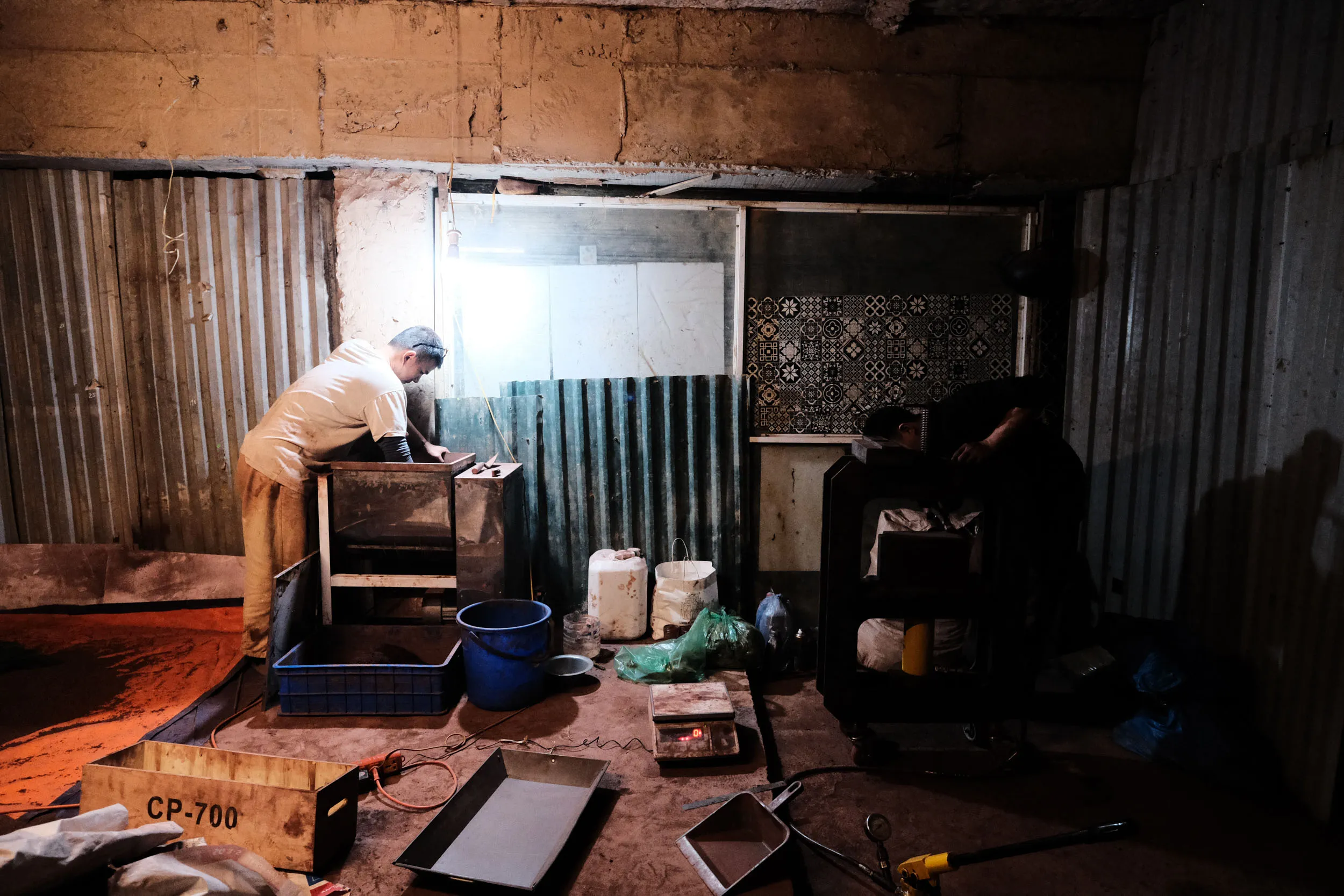
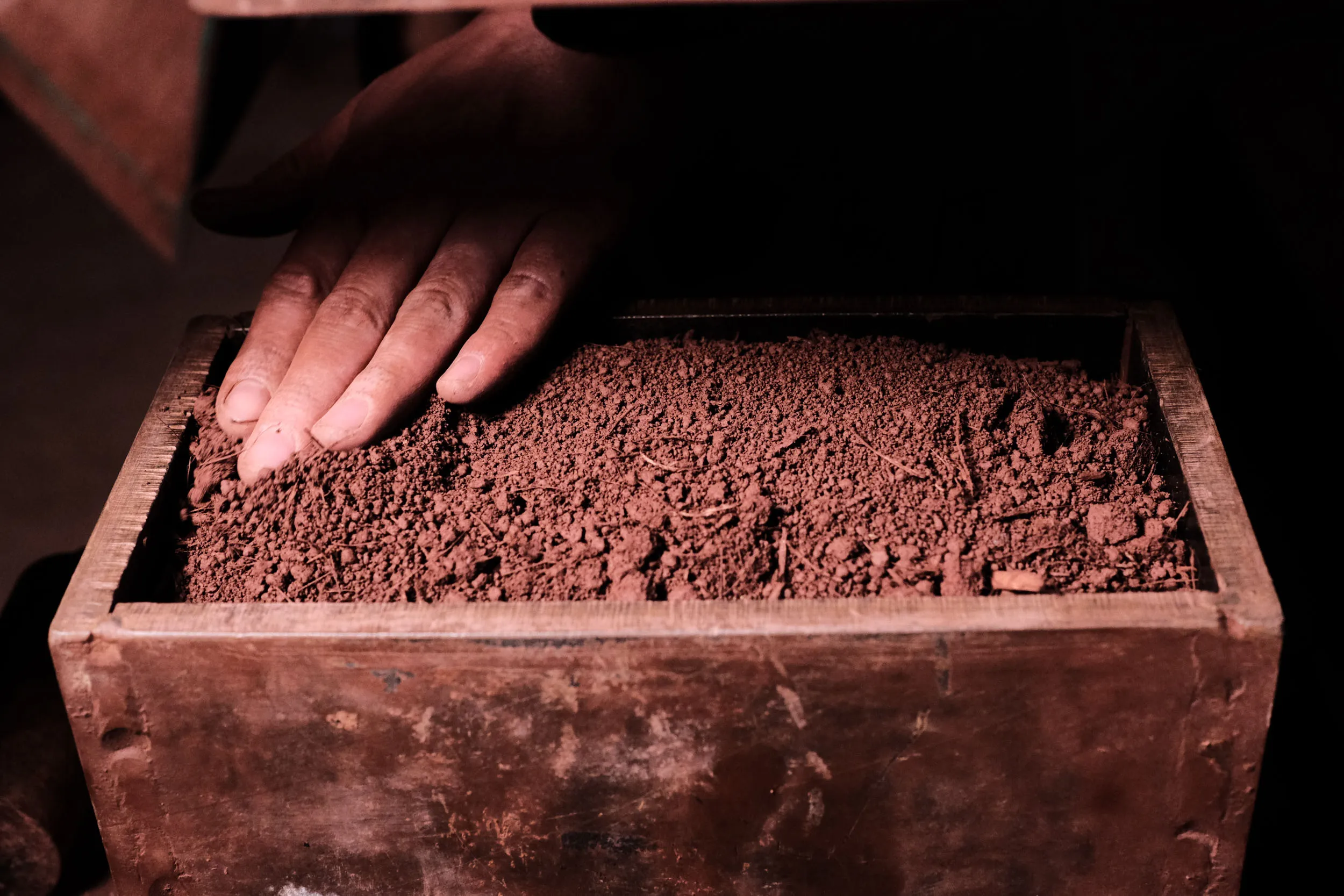
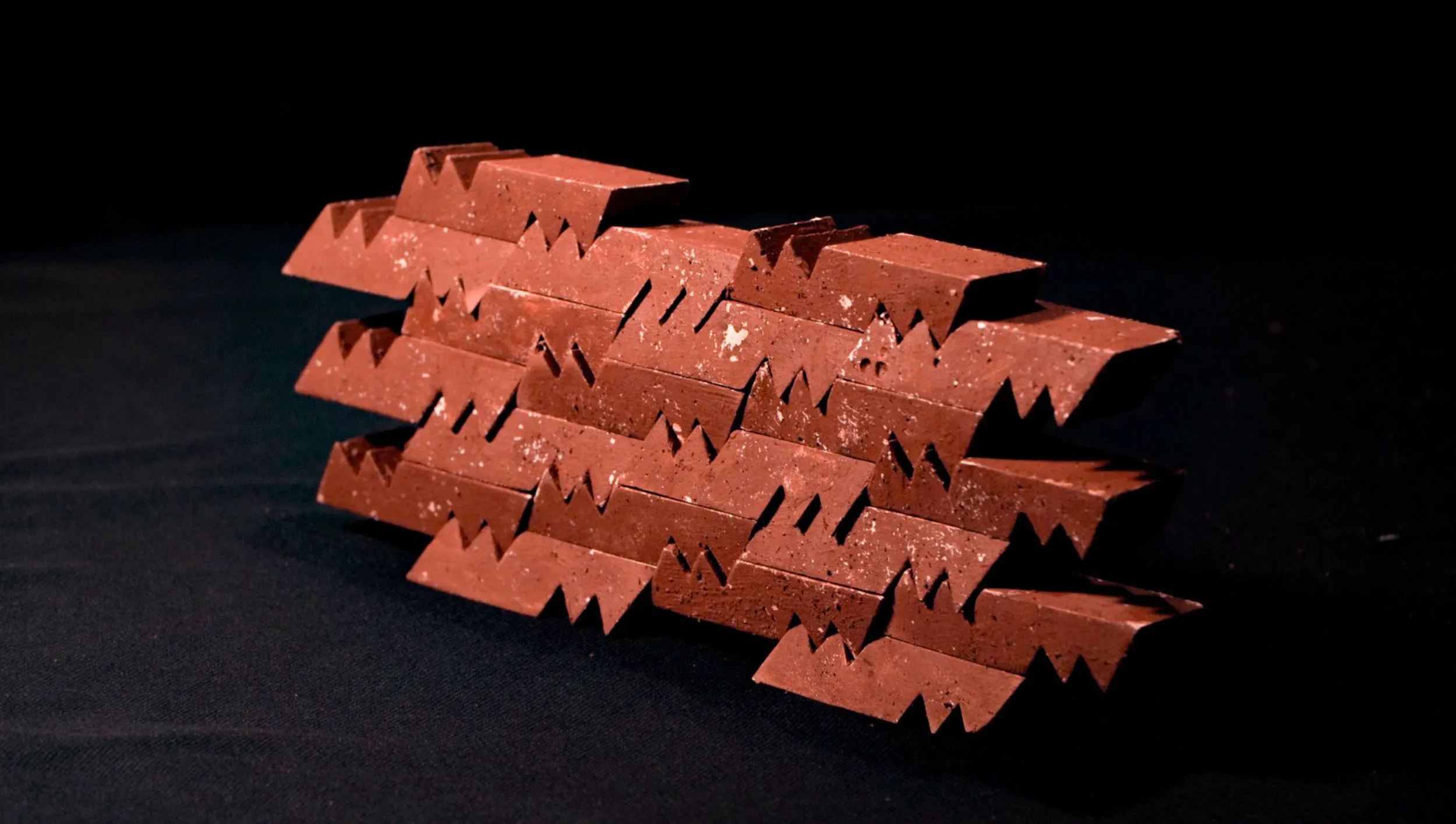
The material was explored through hands-on experience with traditional indigenous natural building techniques. Additives were incorporated into the soil with the aim of improving its structural performance, and especially its water resistance under the hot and humid tropical monsoon climate of northern Vietnam. From separately mixing materials to compare the capability of each additive, and facing repeated failures, to combining them in hybrid mixtures, the experiments gradually led to unexpected results.
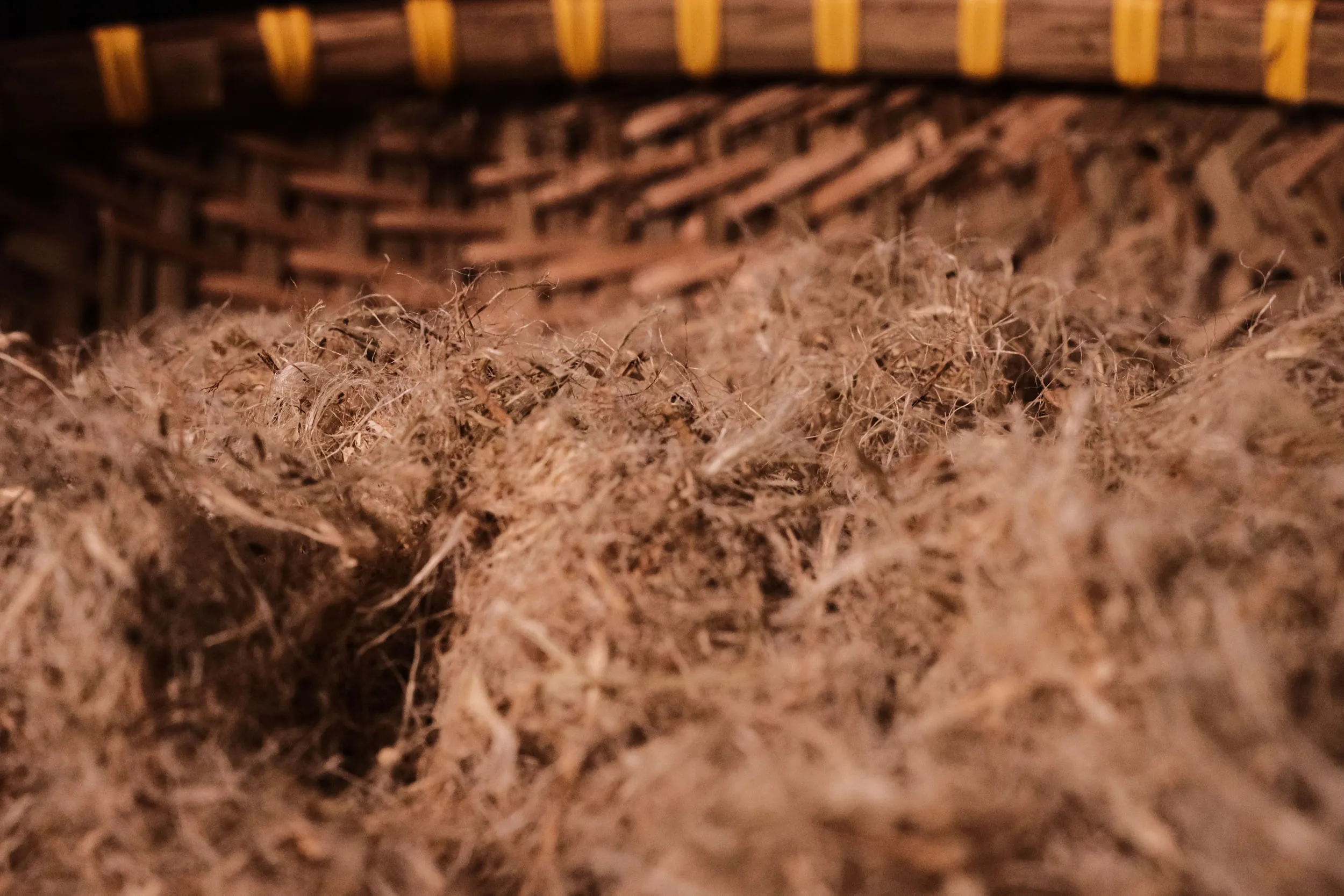
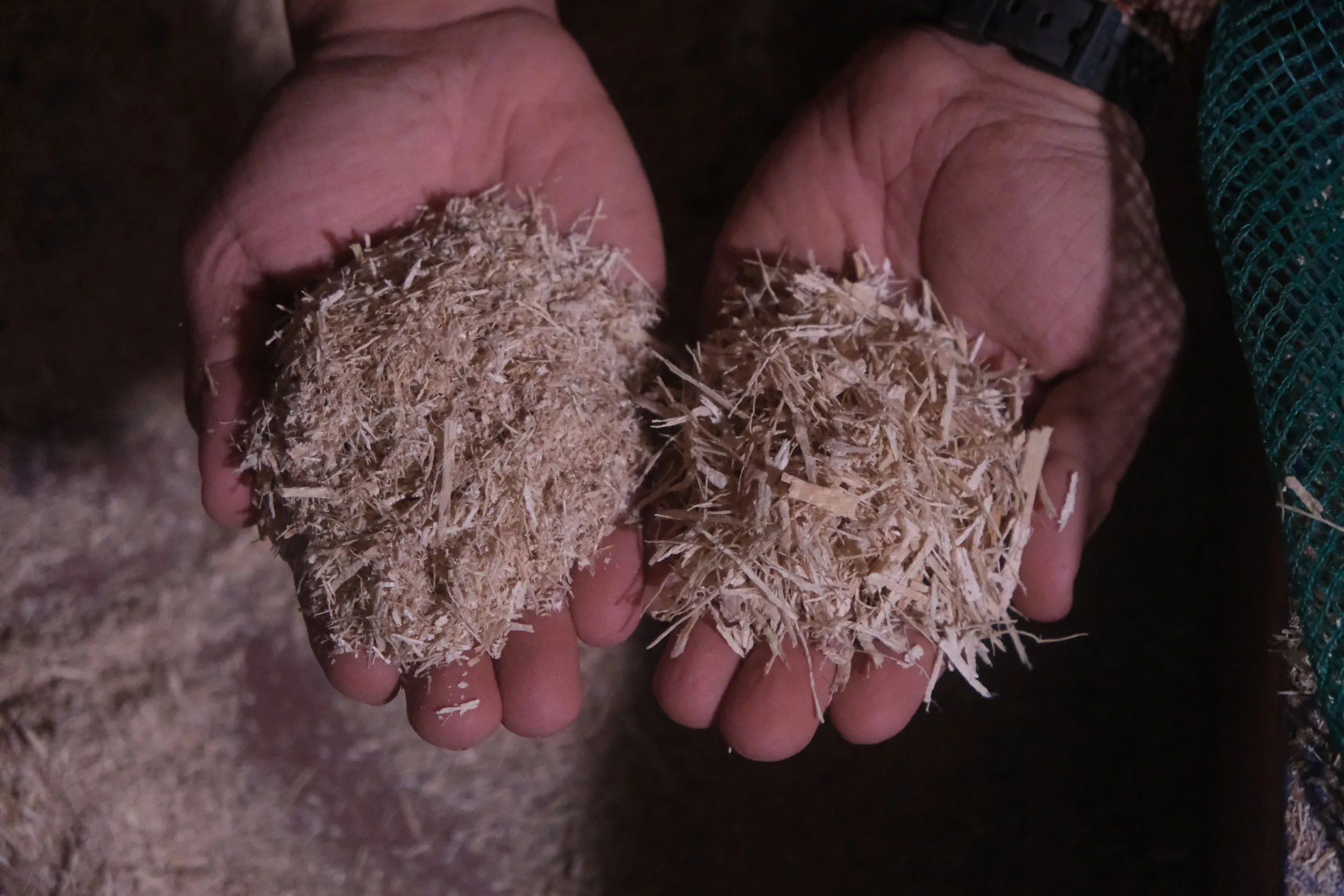
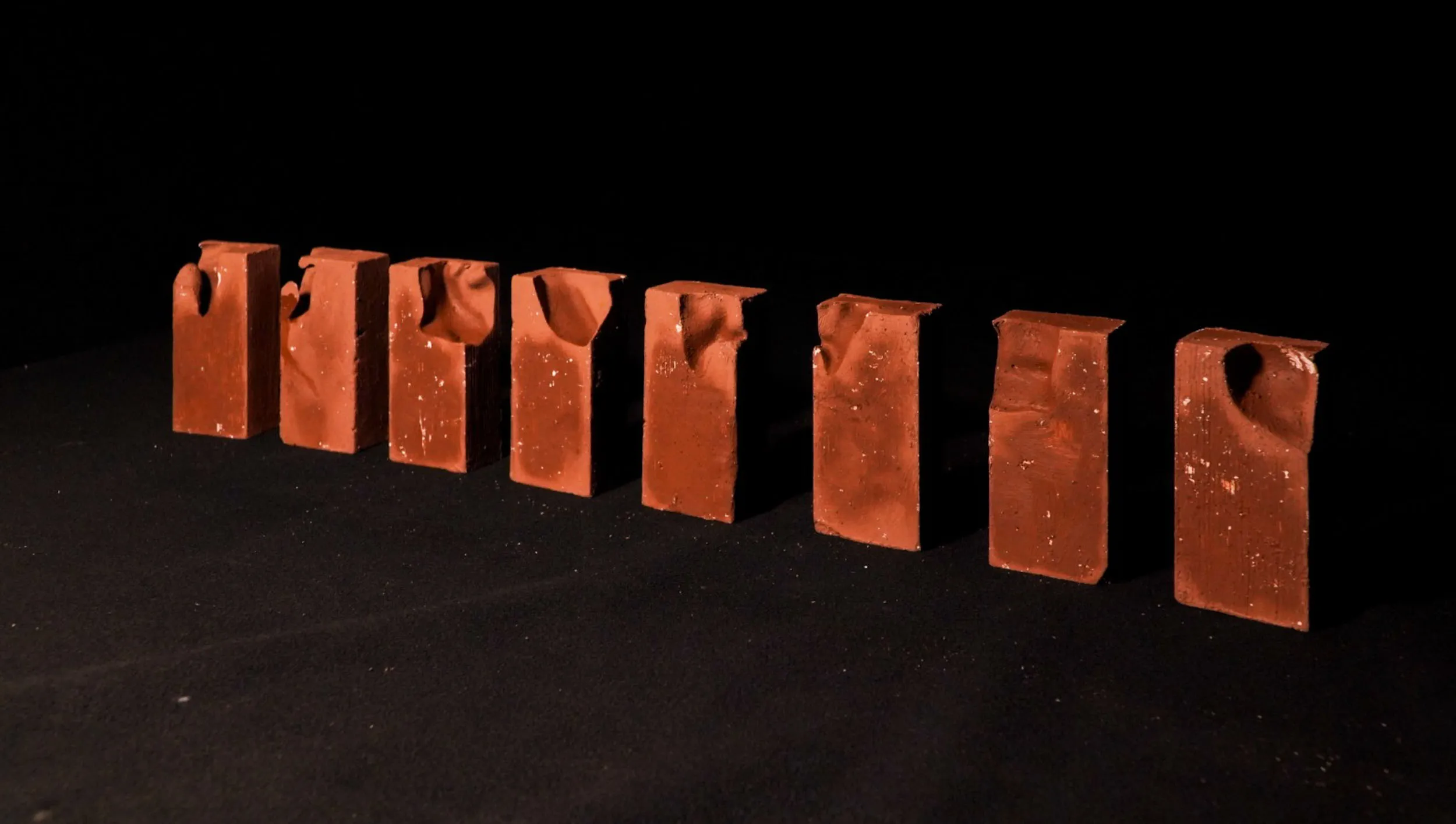
The research began with agricultural waste fibers such as sugarcane bagasse and rice husk, then expanded to textile-production fiber waste such as pineapple leaf fiber. Whether used individually or combined, these fibers did not significantly improve performance; in some cases, they even weakened the bricks in terms of both mechanical performance and water resistance.
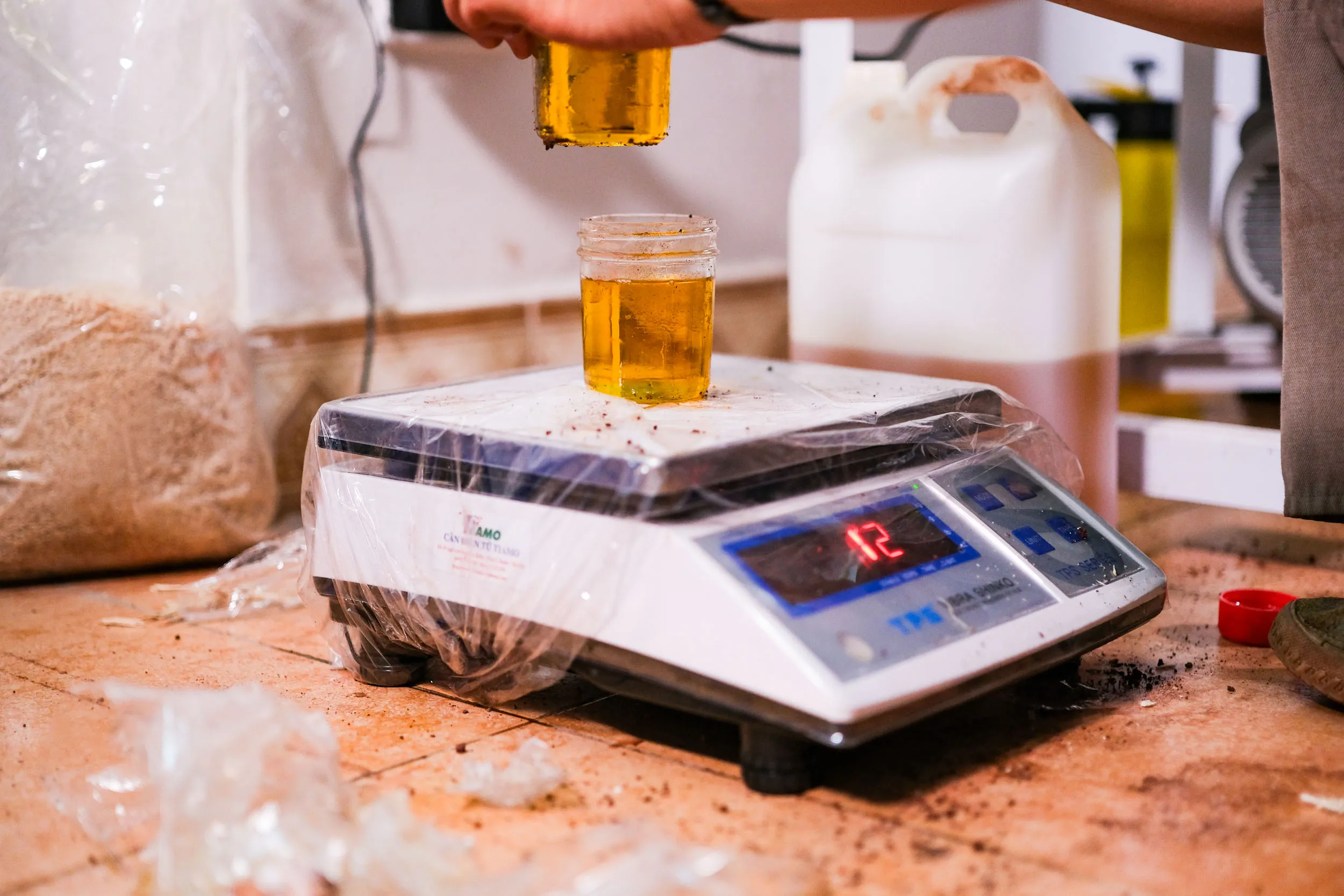
Traditionally used as a wood protectant against moisture, tung oil was used in the experiments. The test results confirmed what literature reviews previously stated: low tung oil content (≤1%) did not significantly improve compressive strength, yet as little as 0.25% tung oil was sufficient to reduce immersion loss to 0%. However, that alone was not enough. The blocks still needed to become stronger while maintaining better water resistance.
Field Tests
The field tests were conducted to understand whether the local soil from Cao Phong could be used as the base material for compressed earth blocks. The field test gave an initial reading of the soil’s potential and limitations before developing more controlled recipes. In this way, the soil field test became the first step in translating the landscape itself into a material system. It made it possible to observe the soil’s texture, composition, water behavior, and binding capacity directly on site before moving into recipe development and performance testing.
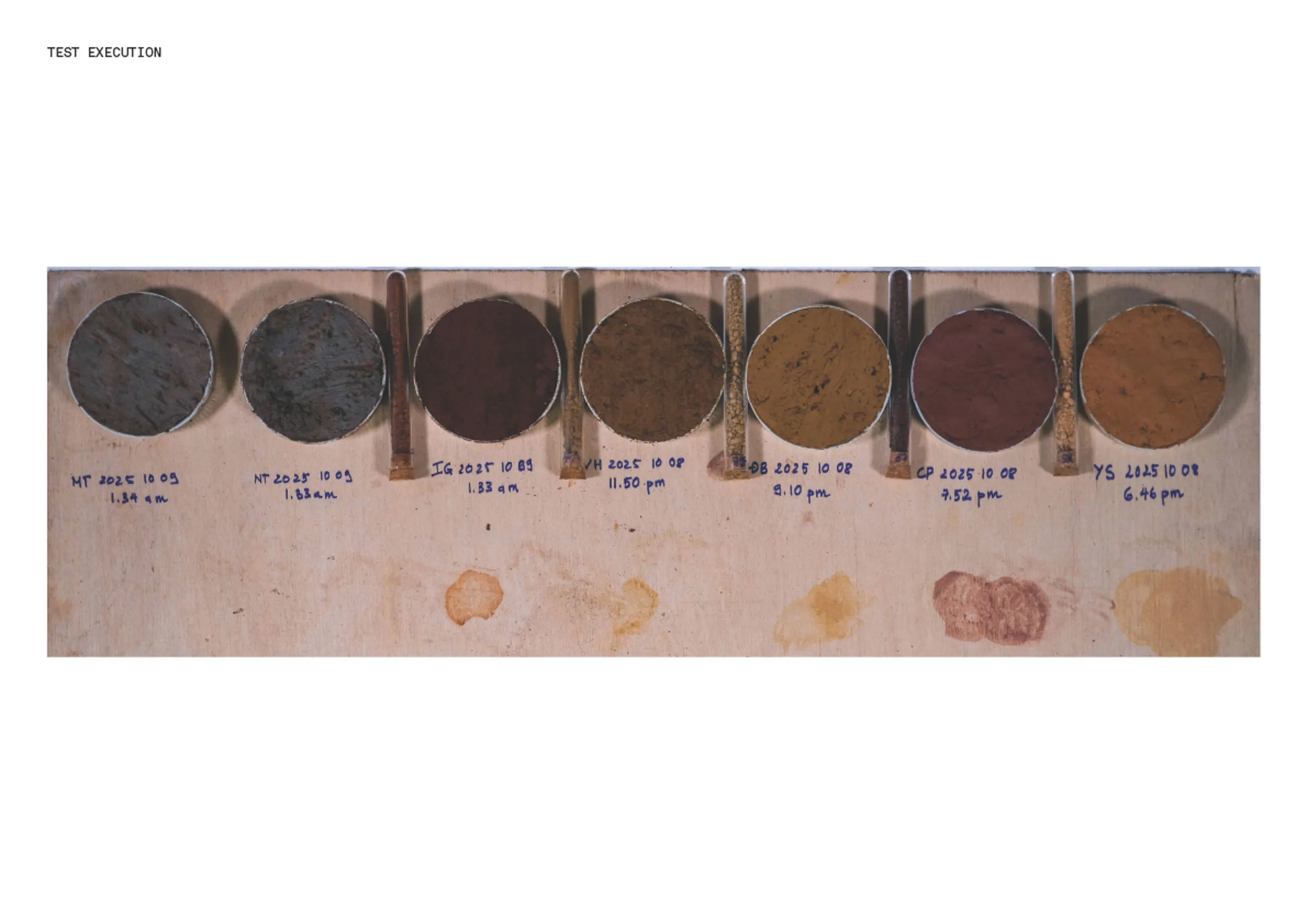
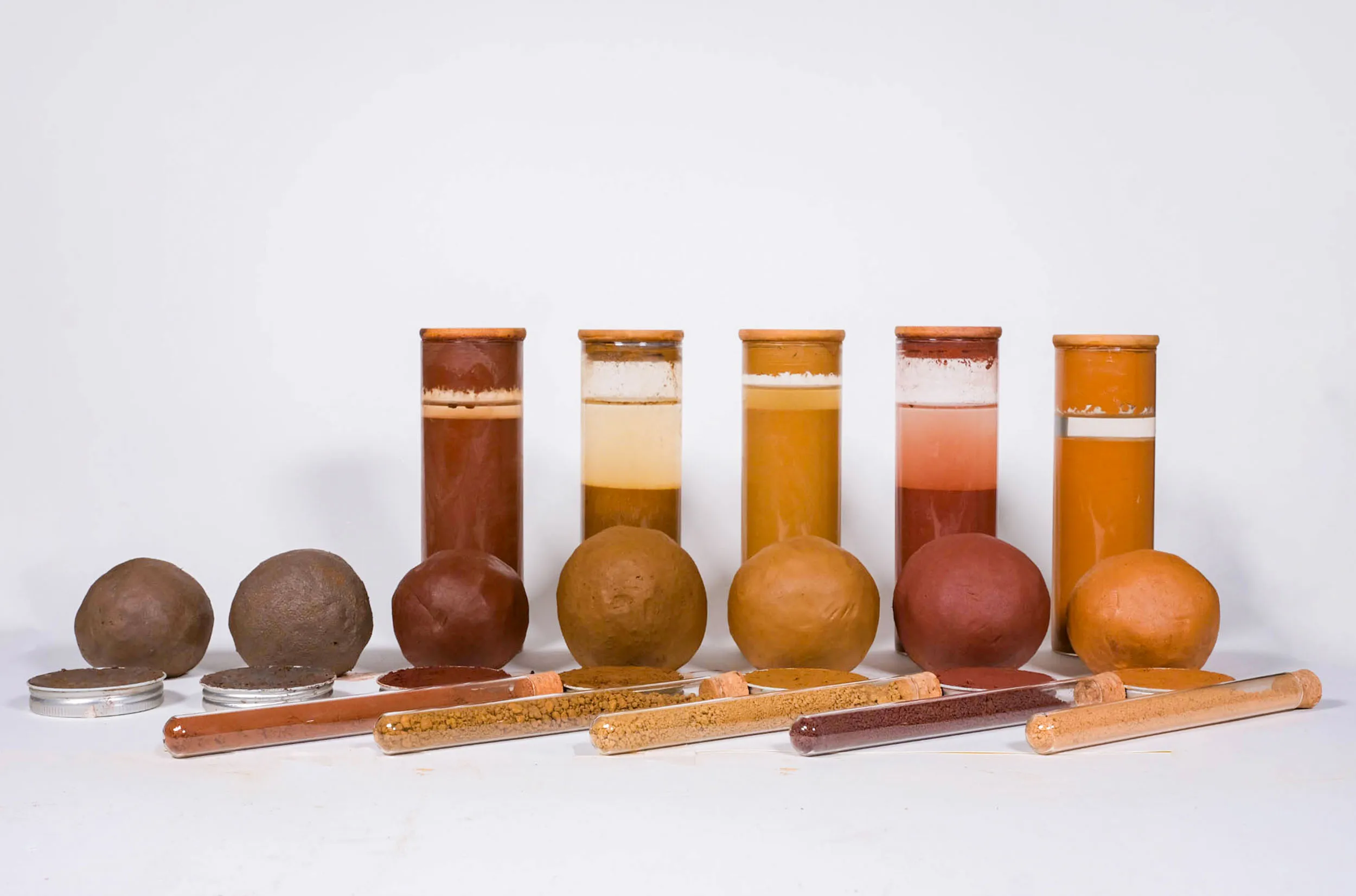

Lab Tests: Grain Size Distribution Conductivity
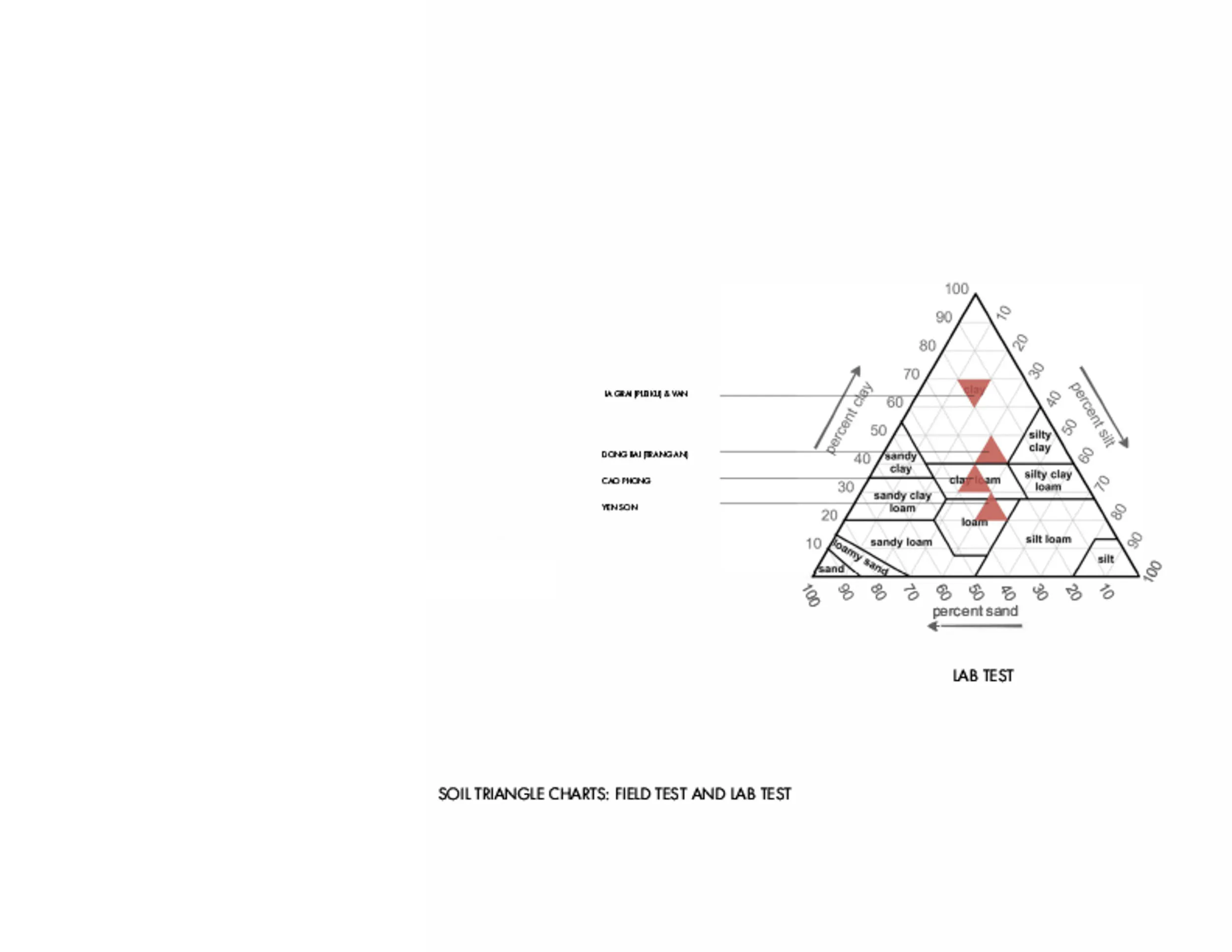
The soil texture triangle helps understand the basic composition of the local soil by estimating the relative proportions of sand, silt, and clay. Each side of the triangle represents one of these components, while the soil’s position within the triangle indicates its overall classification. Based on the initial field testing, the diagram was used to estimate the soil composition and establish a basic understanding of its material properties before developing further compressed earth block recipes.
CEB Experiment: Fiber+Resin Mix Block Production
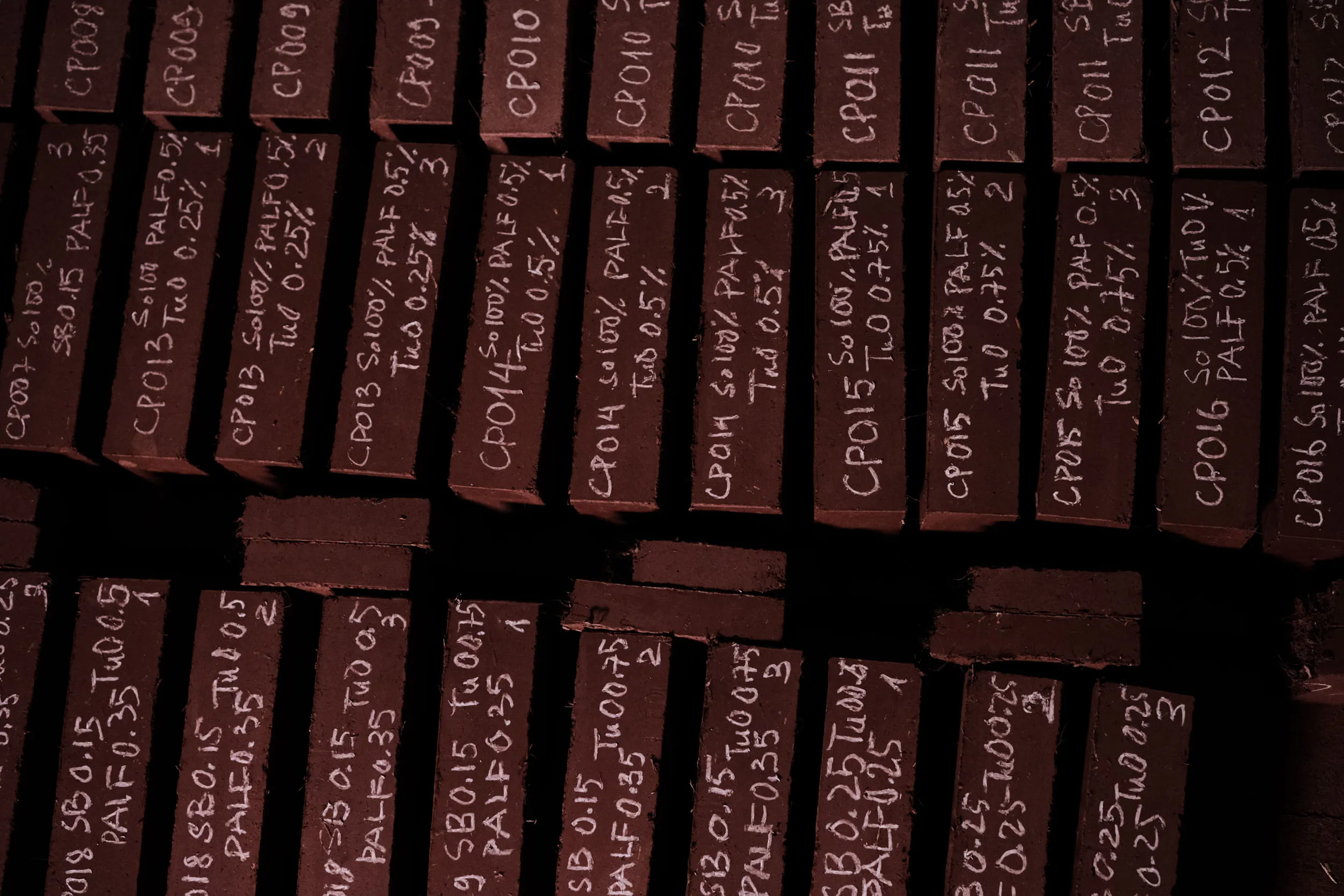
The material matrix initially began with a literature review. However, because existing research on compressed earth blocks using the project site's specific local resources was limited, we developed our own experimental matrix using sugarcane bagasse, pineapple leaf fibers, and rice husk, combined with the minimum effective amount of tung oil.The material was explored through hands-on experience with traditional indigenous natural building techniques. Additives were incorporated into the soil with the aim of improving its structural performance, and especially its water resistance under the hot and humid tropical monsoon climate of northern Vietnam. From separately mixing materials to compare the capability of each additive to combining them in hybrid mixtures, the experiments gradually led to unexpected results.Through a series of trial-and-error experiments, it was observed that when fibers or tung oil were introduced separately, they produced only limited improvement in mechanical performance. However, when fibers and tung oil were incorporated together, the compressive strength of the blocks increased significantly. Among all tested combinations, the mixture of sugarcane bagasse and pineapple leaf fibers with tung oil demonstrated the most outstanding performance. This result suggested that the interaction between fiber morphology, natural binding behavior, and oil-based water resistance played a critical role in improving the overall performance of the compressed earth blocks.
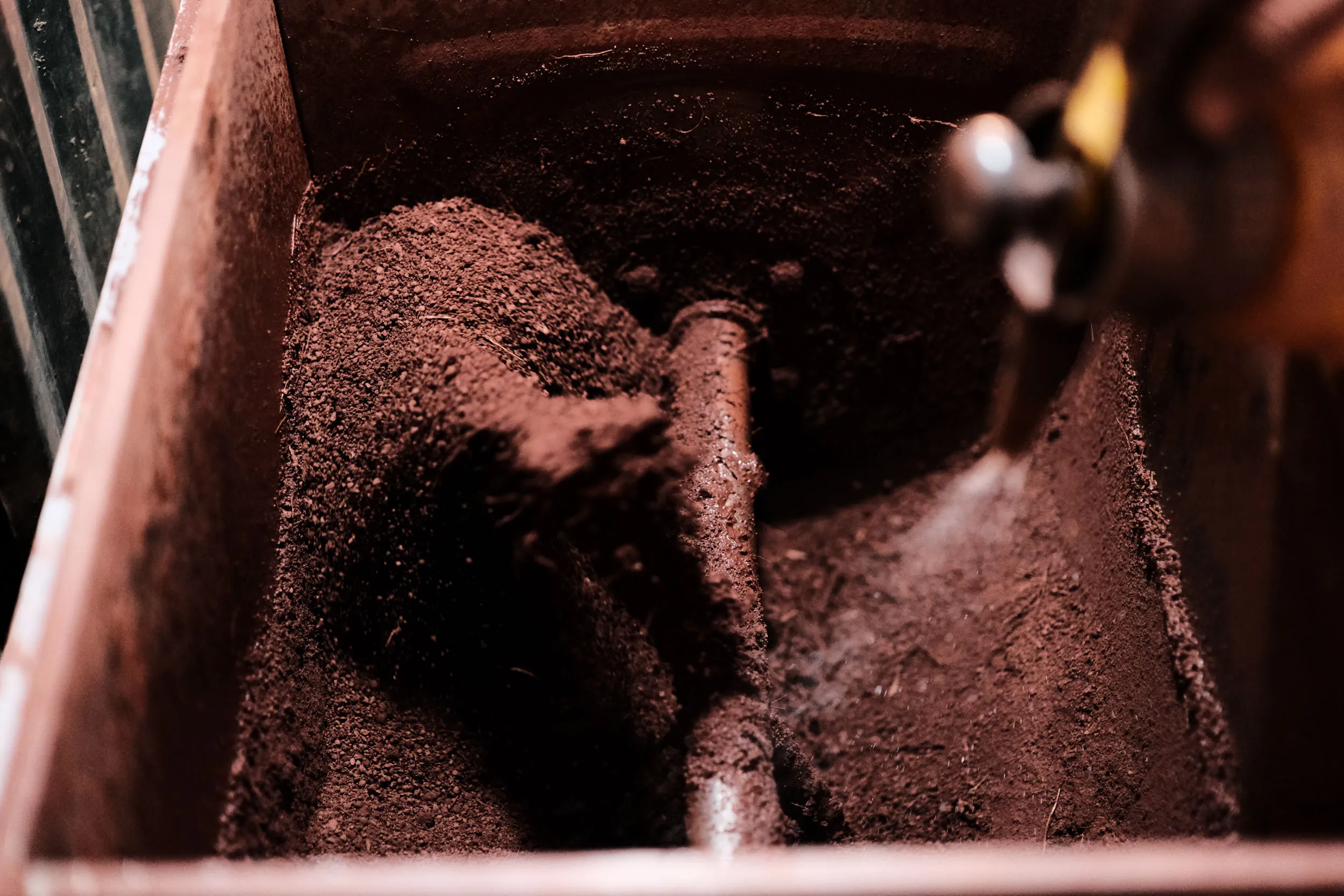
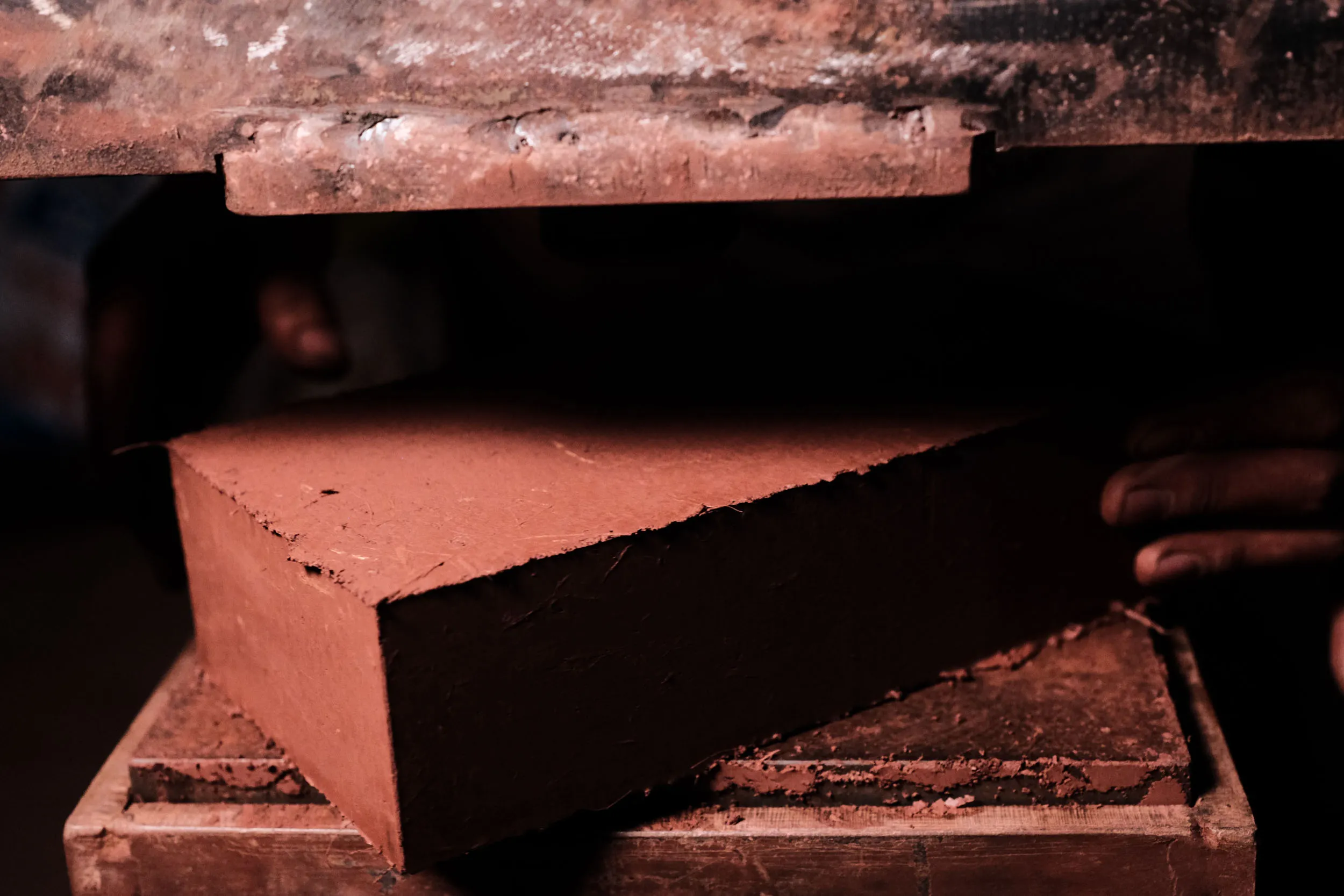
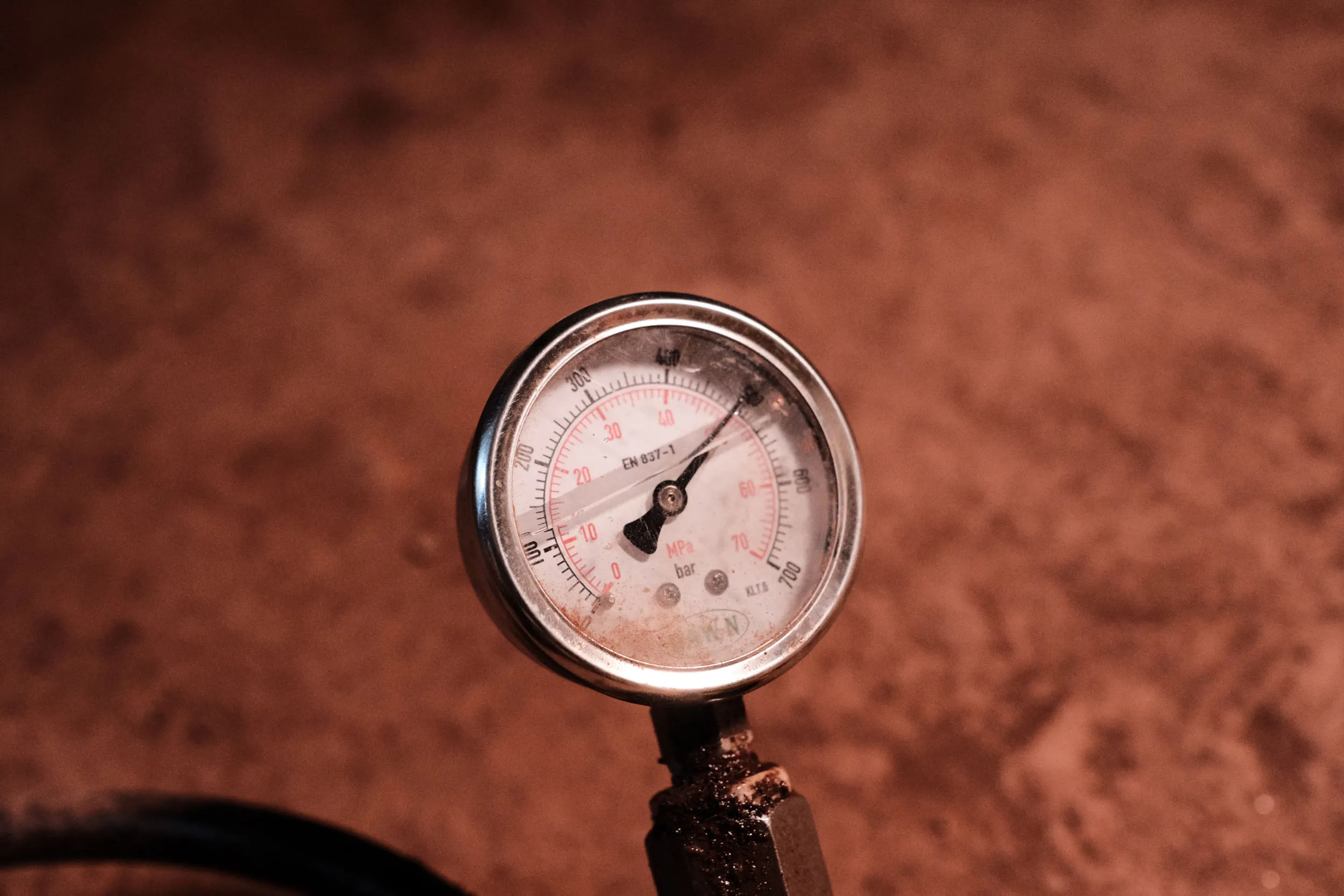
(single & combined, ≤1%) Fiber Comparisons
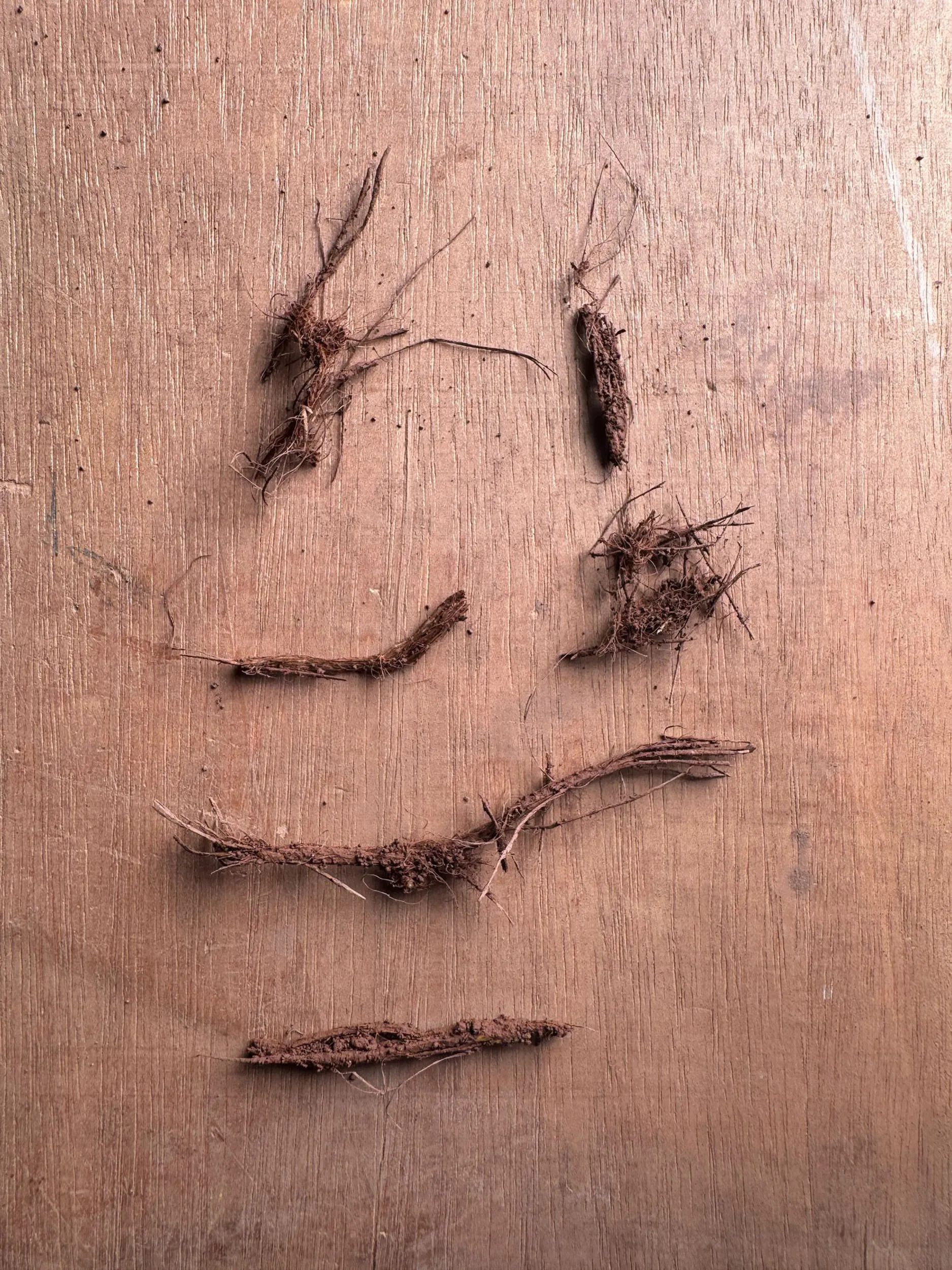
Compared with rice husk and sugarcane bagasse, pineapple leaf fibers have longer and more branched structures, which were expected to create multiple internal links within the block matrix. This had the potential to improve bonding capacity, internal reinforcement, and overall durability. However, the pineapple leaf fiber samples did not perform better in terms of compressive or flexural strength. They also showed greater immersion loss and a higher erosion index than the sugarcane bagasse samples. Overall, the single-fiber sample groups demonstrated higher compressive and flexural strength, lower immersion loss, and a lower erosion index than the mixed-fiber samples, indicating better water resistance.
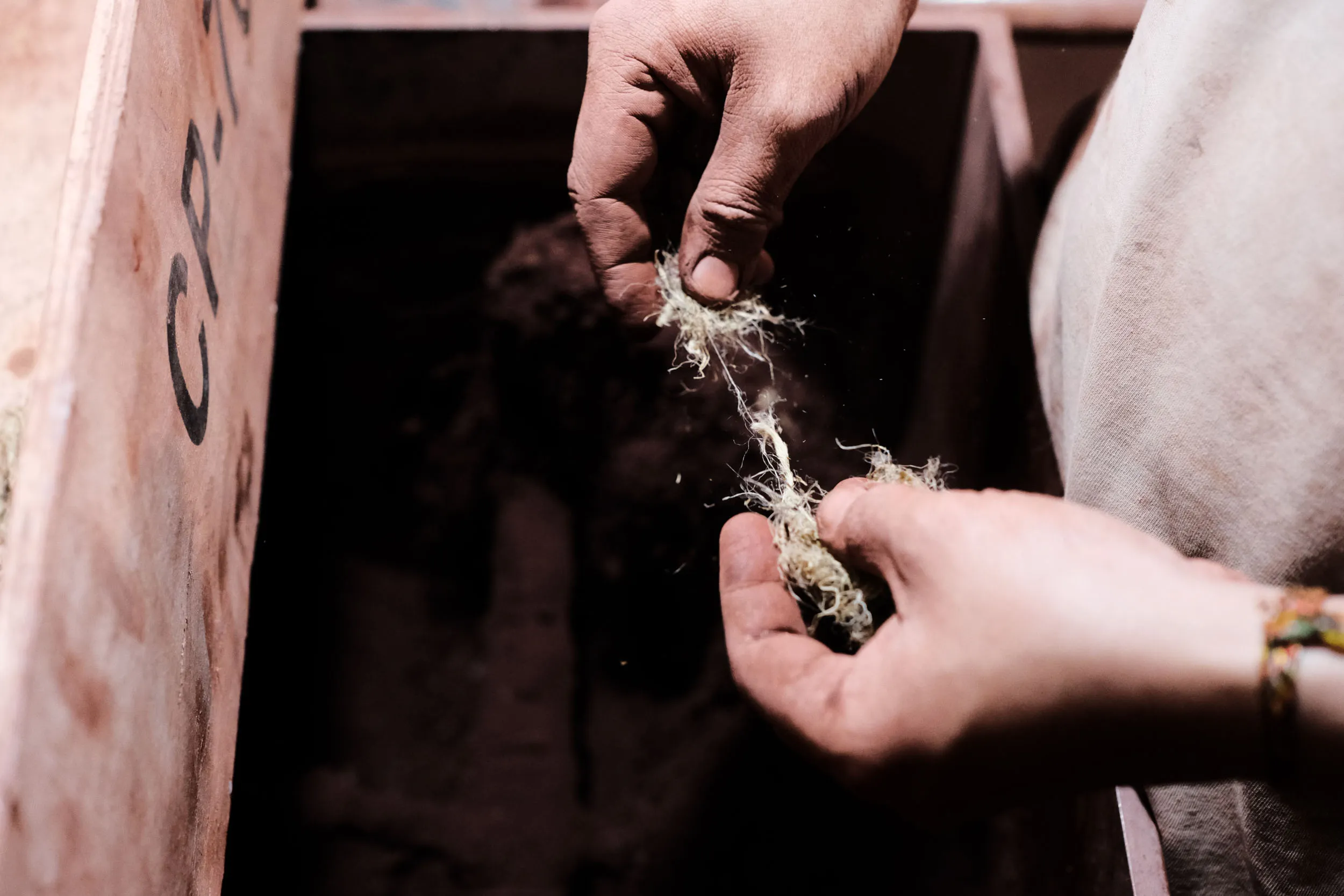
Mechanical Testing Method
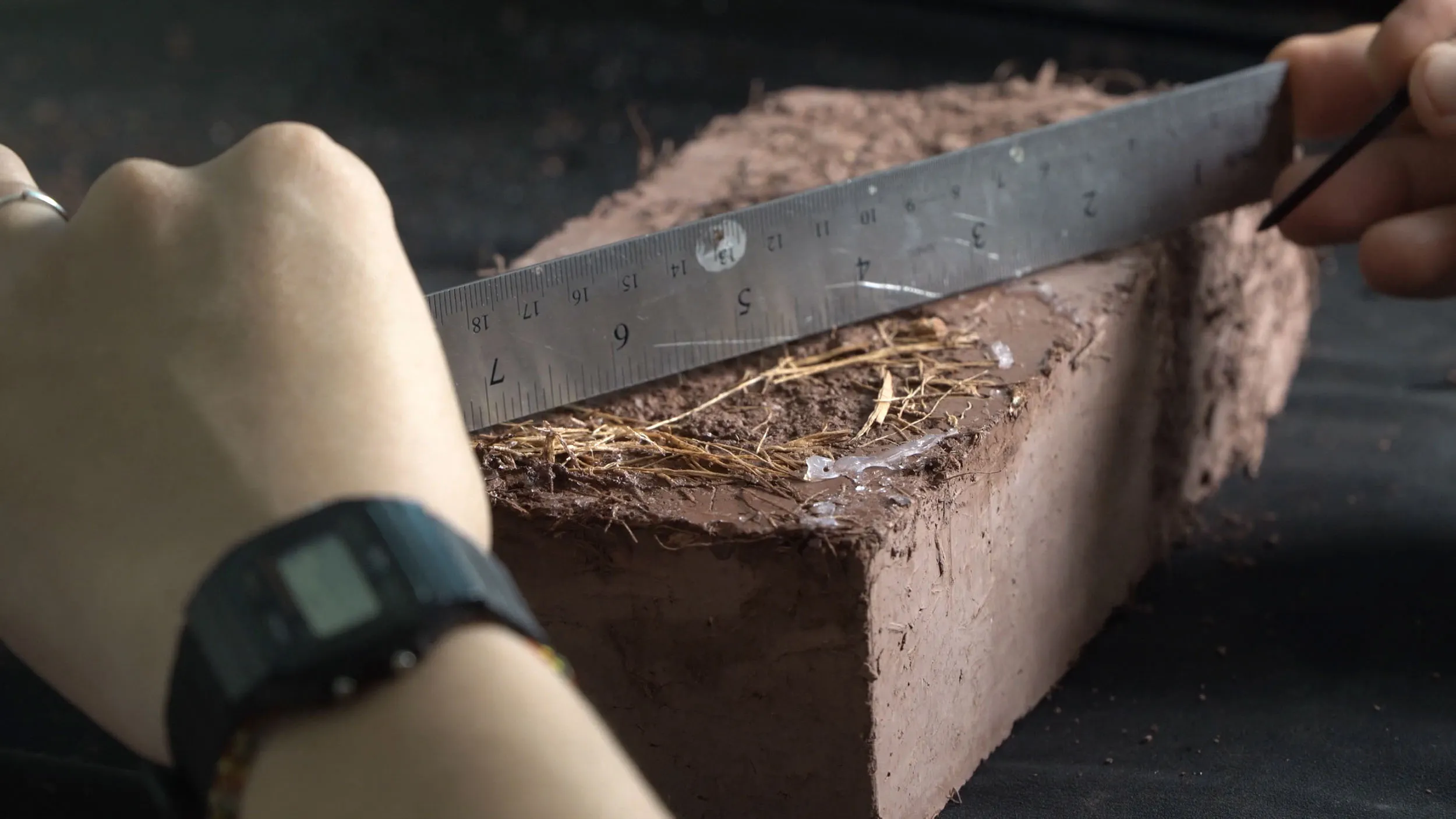
The investigation of compressed earth blocks with bio-based additives stemmed from the idea of using the blocks as load-bearing elements for construction, which demands the necessary compressive strength. Depending on the design scenario, the blocks can also be used as infill together with a steel structure, which requires achieving a certain flexural strength. Therefore, ensuring the necessary compressive strength and flexural strength for each of these applications were vital.
The turning point of our experiments emerged when both additives: fibers and tung oil, were combined. In particular, the sample containing 0.35% sugarcane bagasse, 0.15% pineapple leaf fiber, and 0.25% tung oil achieved a compressive strength of 5.1 MPa and reached the same Class 4* category, 5.0 MPa, as the 1% tung oil samples.
This opens a new direction for our future experiments: combining multiple fiber types while minimizing the amount of tung oil in the formula, with the goal of optimizing production costs for indigenous natural building materials.
*Class 4 under DIN 18945 represents a medium-to-high strength earth block with a nominal compressive strength of 5 MPa that is suitable for load-bearing masonry, provided all applicable requirements of DIN 18945 and the relevant structural design standards are met.
Testing Methods Mechanical Performance Compressive Strength:
Testing and assessment of the CEBs are carried out in accordance with DIN 18945 Flexural Strength: Testing and assessment of the CEBs are carried out in accordance with TCVN 6355-3:2009
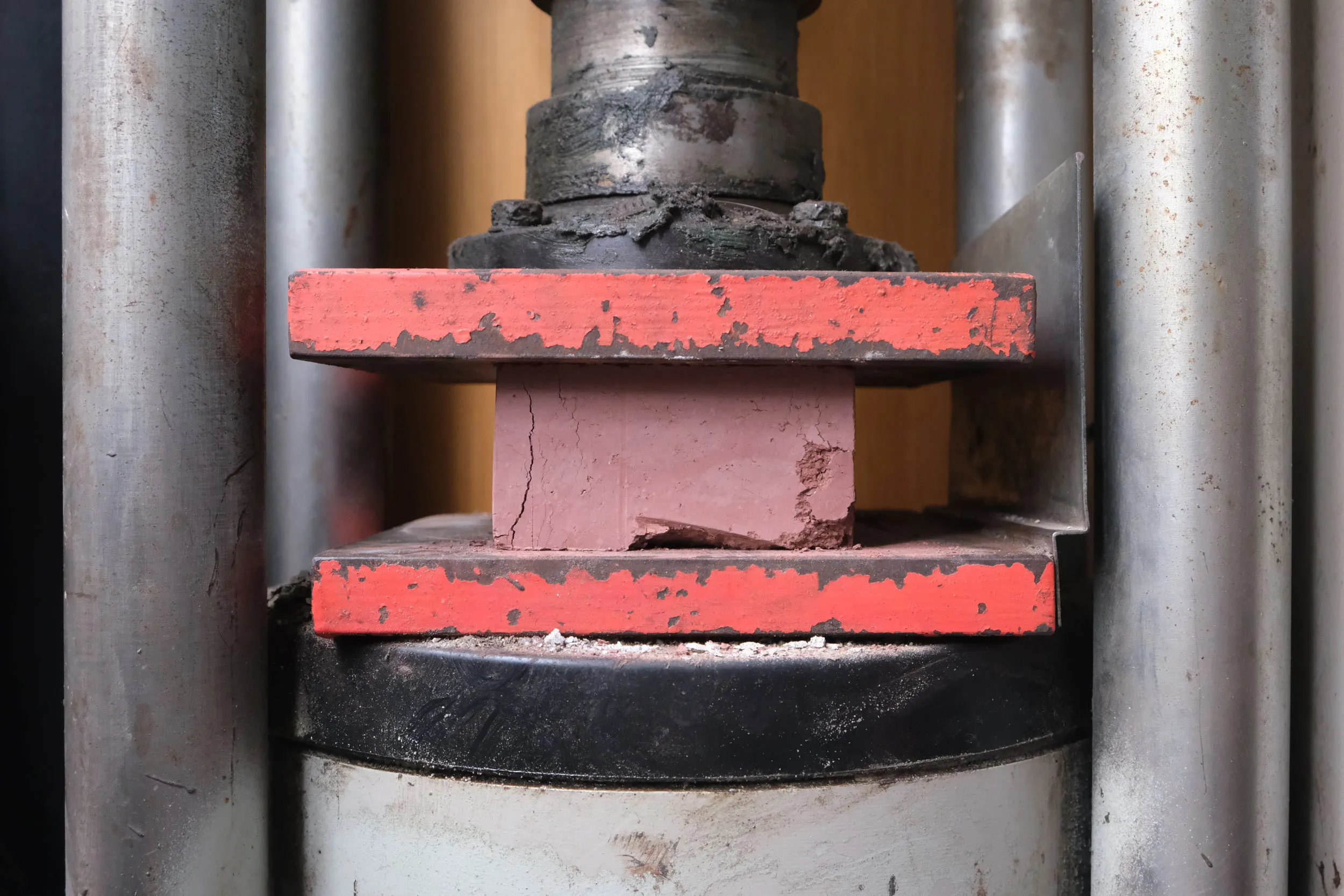
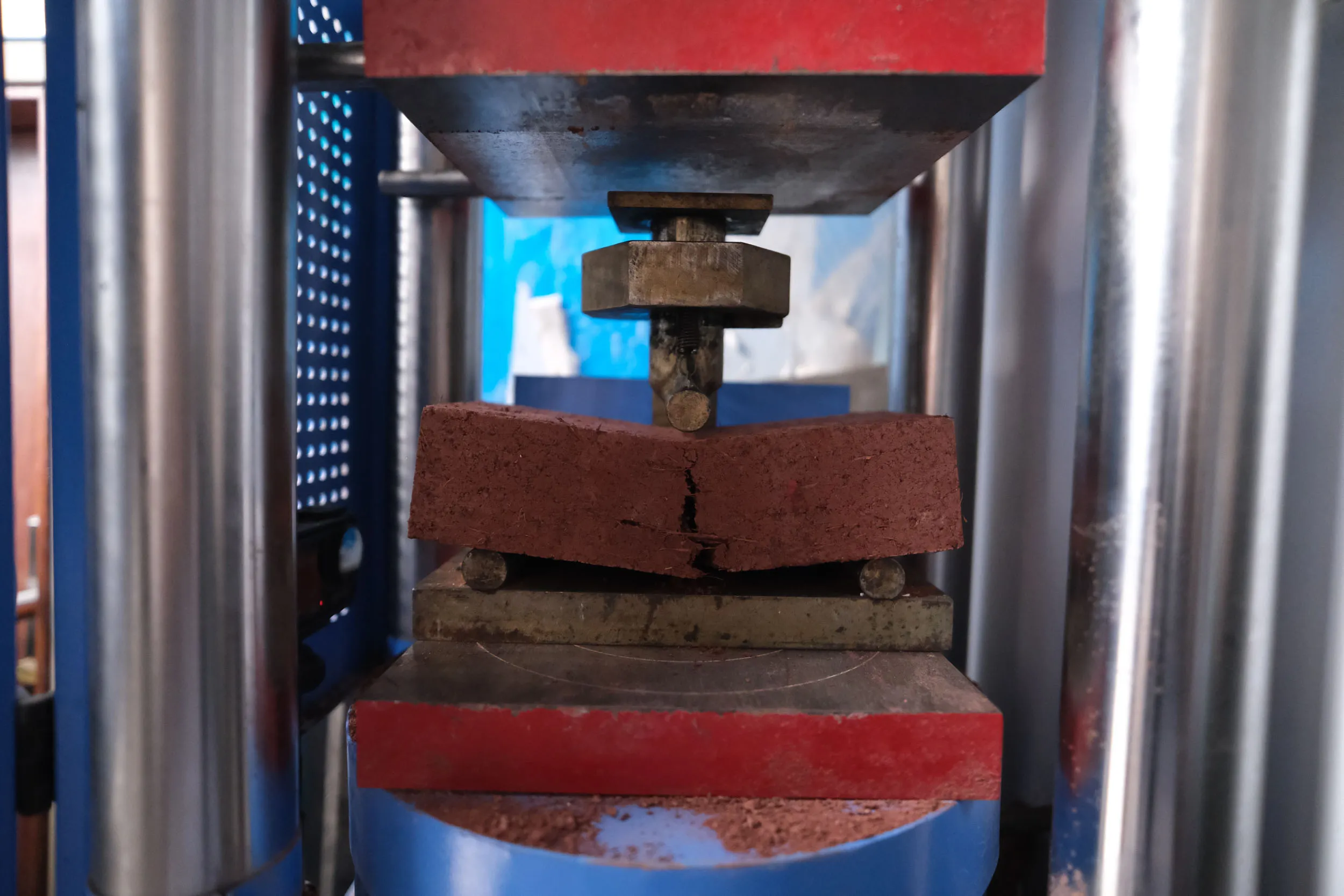
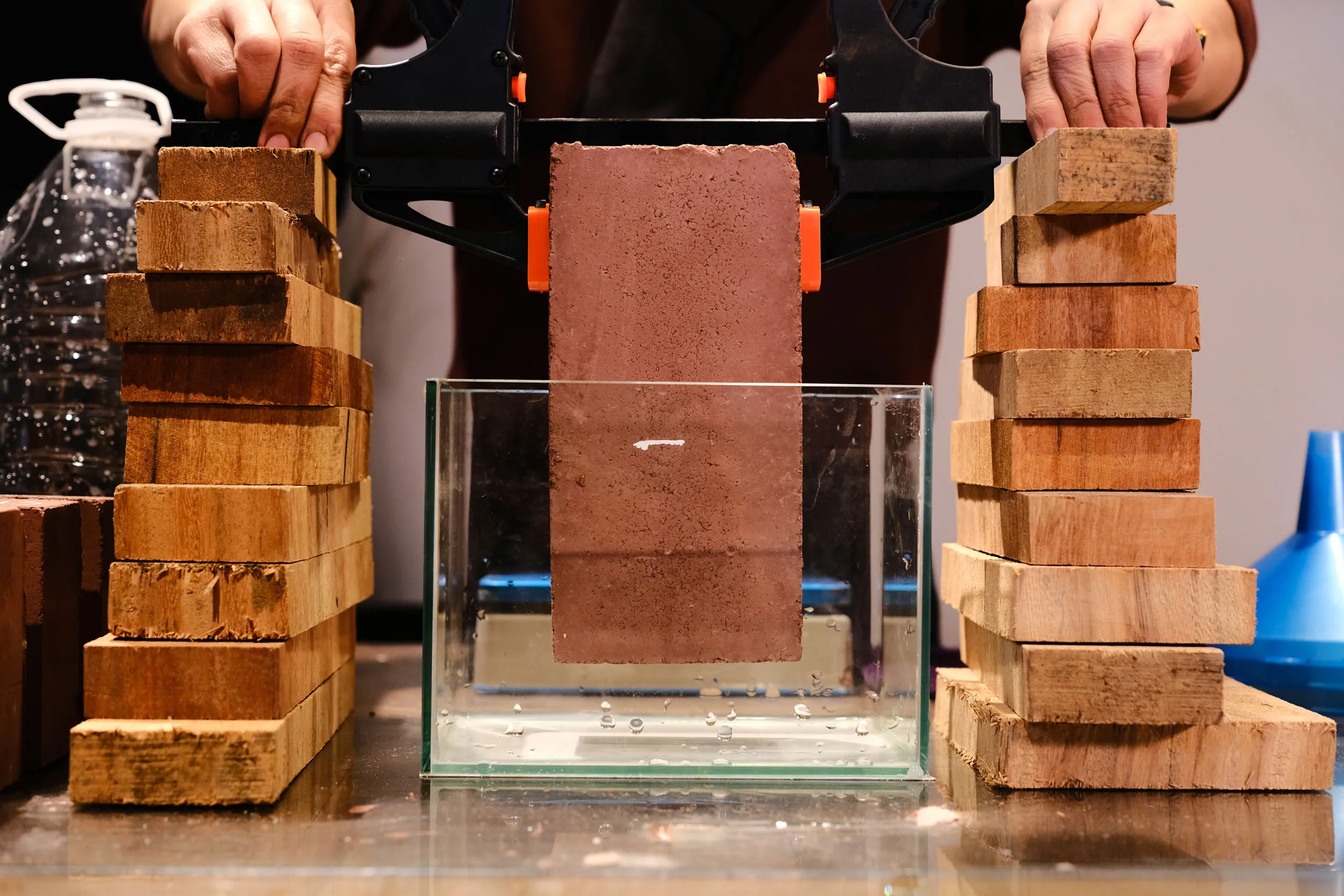
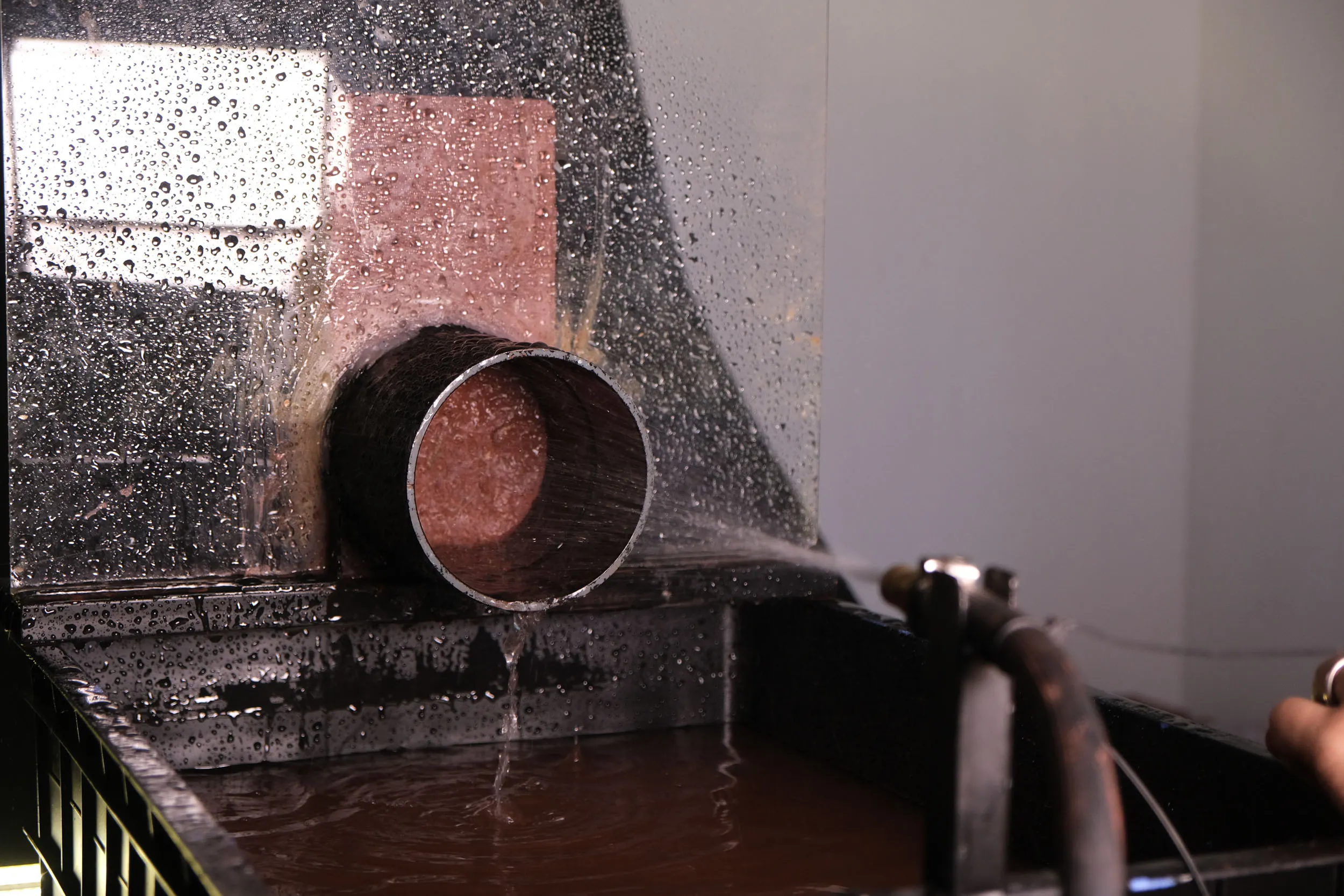
Block Testing: Water Resistance — Immersion, Erosion & Absorption
In Vietnam, especially in northern Vietnam, water resistance is one of the most important questions for construction materials. Cao Phong has a humid subtropical climate. The site is exposed to heavy rain, high humidity, tornadoes, strong winds, and landslides.When the material testing began, different techniques were documented and tested through various testing standards using German (DIN), Vietnamese (TCVN), and New Zealand (NZS) standards because of the lack of comprehensive standards for earthen construction in tropical climates.Each test investigated the blocks’ behavior when exposed to moisture under different circumstances. The immersion test showed whether the block would disintegrate when partially submerged. The suction test showed whether the block would swell or crack through capillary moisture. The spray test showed how much surface material would erode under rain-like impact. The absorption test showed how vulnerable the blocks may be to prolonged wet conditions.Therefore, water resistance could not be understood as one number. It had to be understood as a series of behaviours: absorption, swelling, cracking, erosion and loss of mass. This demonstrates that a block may survive one type of water exposure, but still fail another.
Water Resistance Testing Methods Water Absorption:
Testing and assessment of the CEBs are carried out in accordance with TCVN 6355-4:2009 Immersion Resistance: Testing and assessment of the CEBs are carried out in accordance with DIN 18945 Capillary Water Suction: Testing and assessment of the CEBs are carried out in accordance with DIN 18945Erosion test (Pressure spray method): Testing and assessment of the CEBs are carried out in accordance with NZS 4298:2024
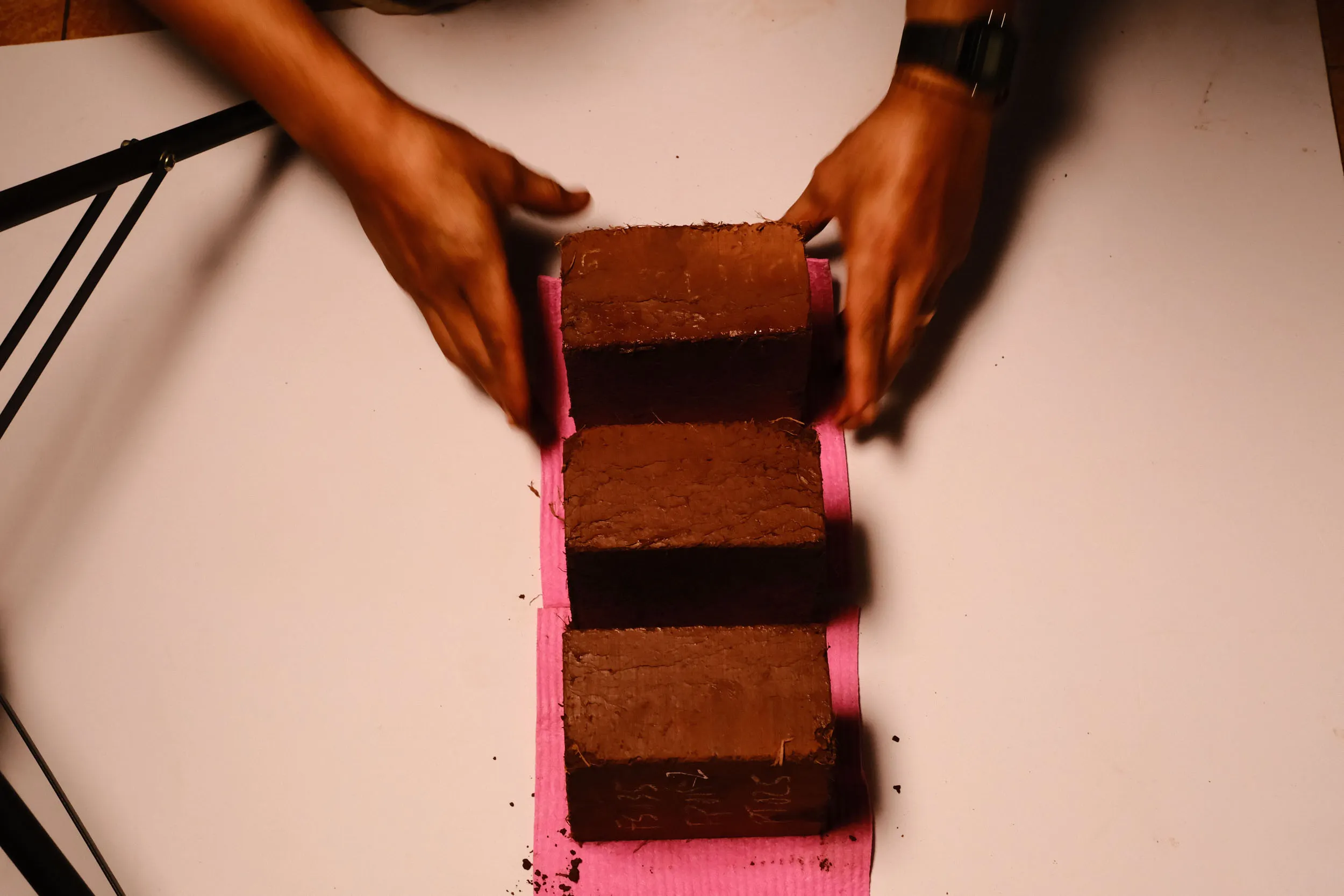
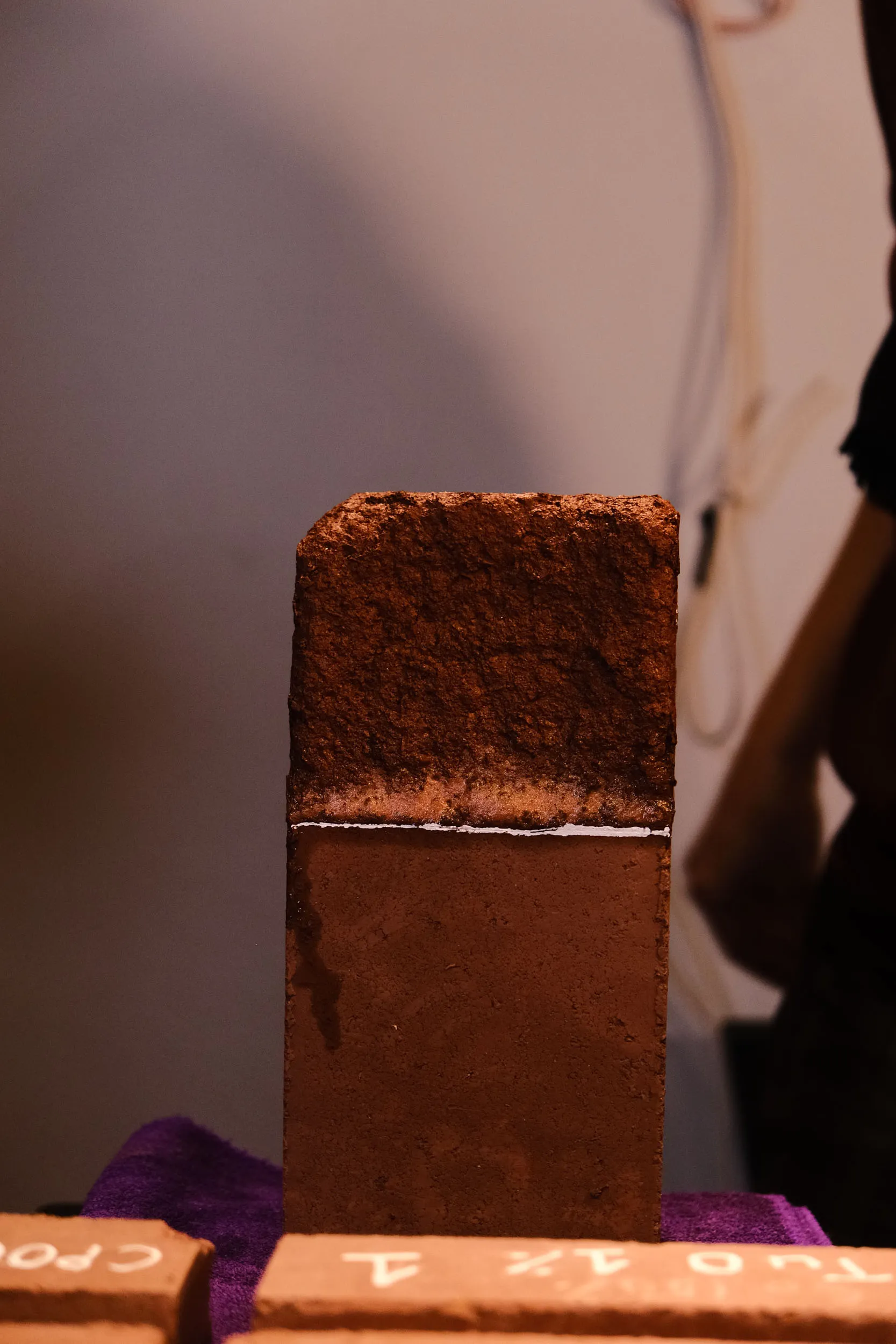
Socio-
Cultural
Socio-Cultural
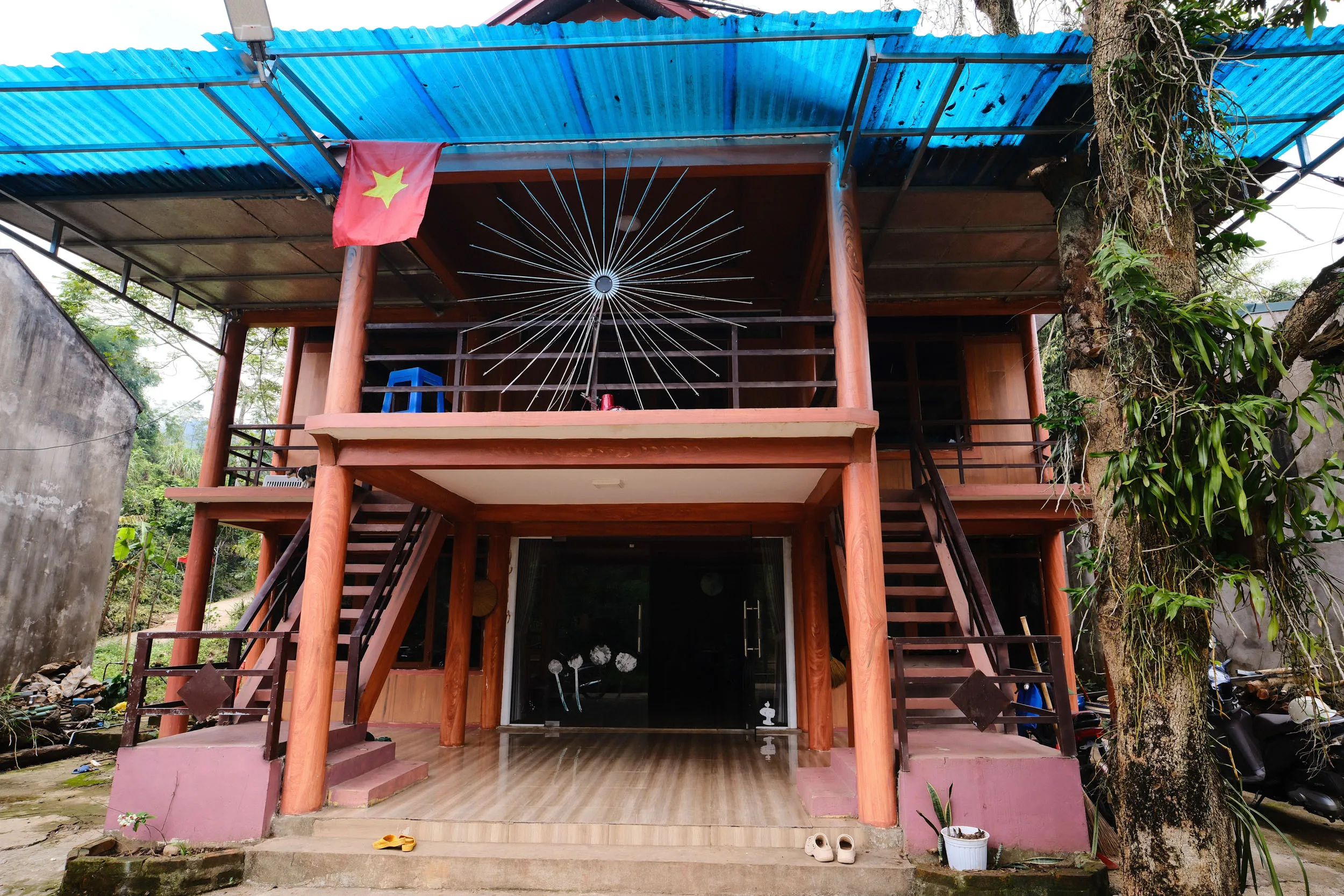
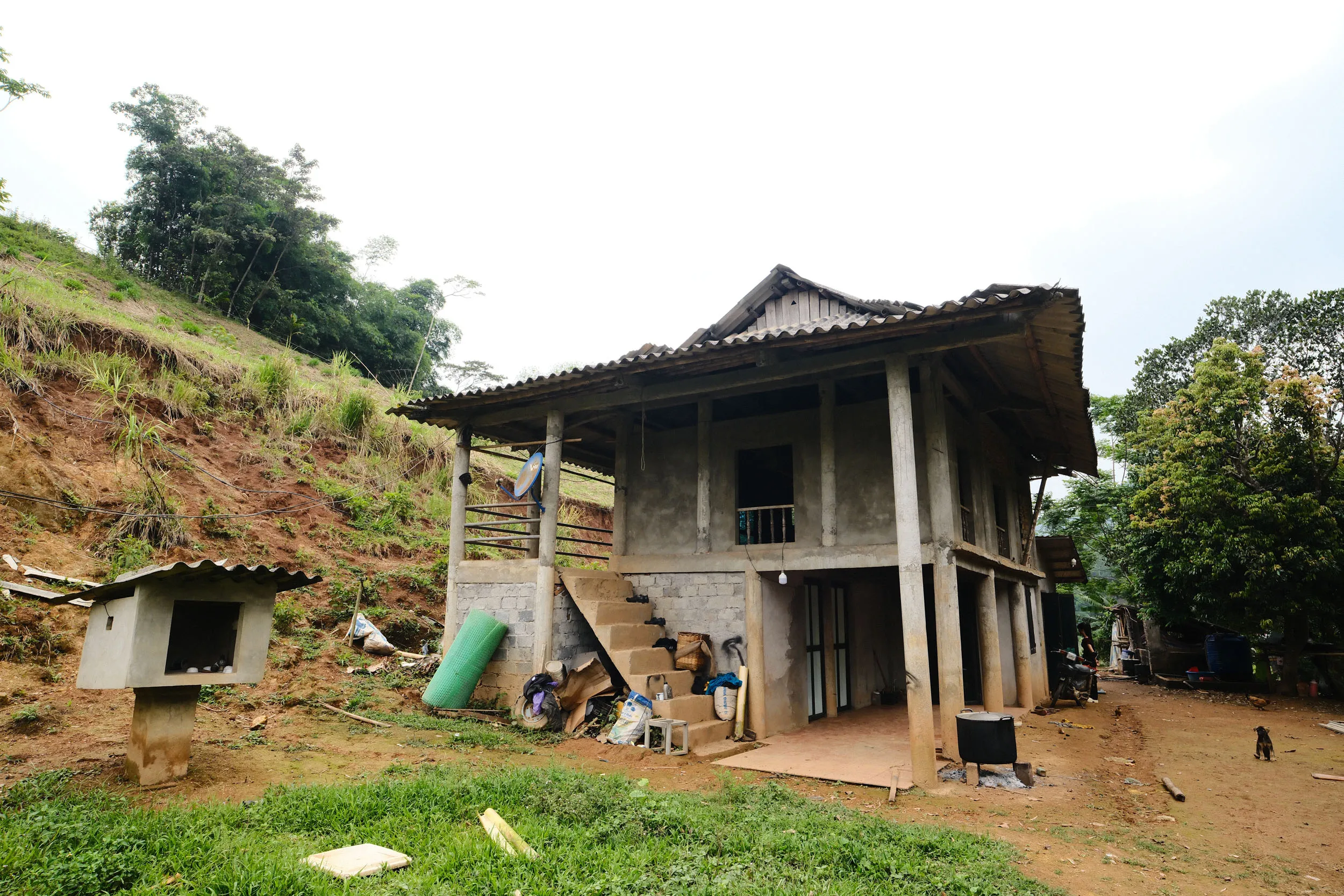
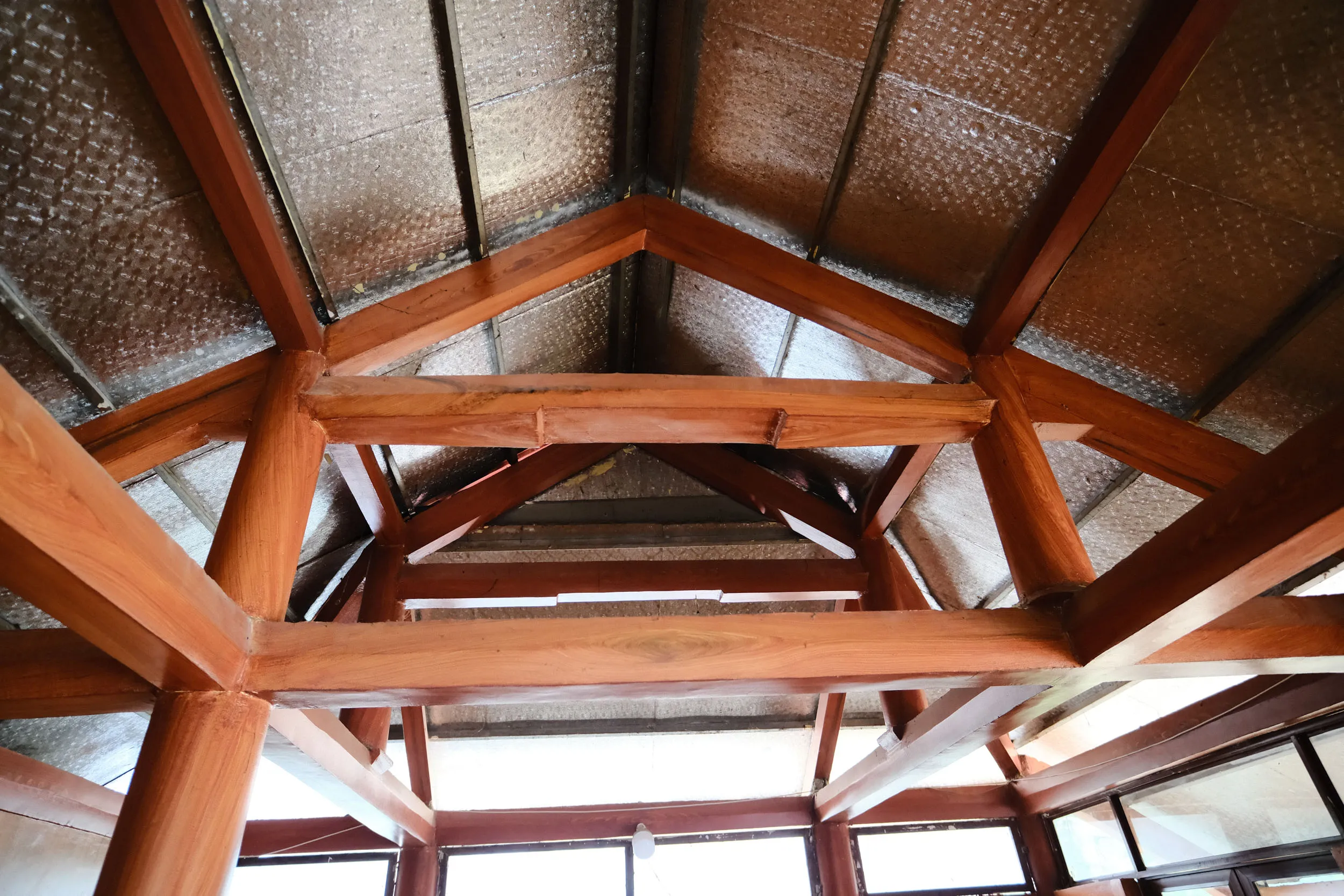
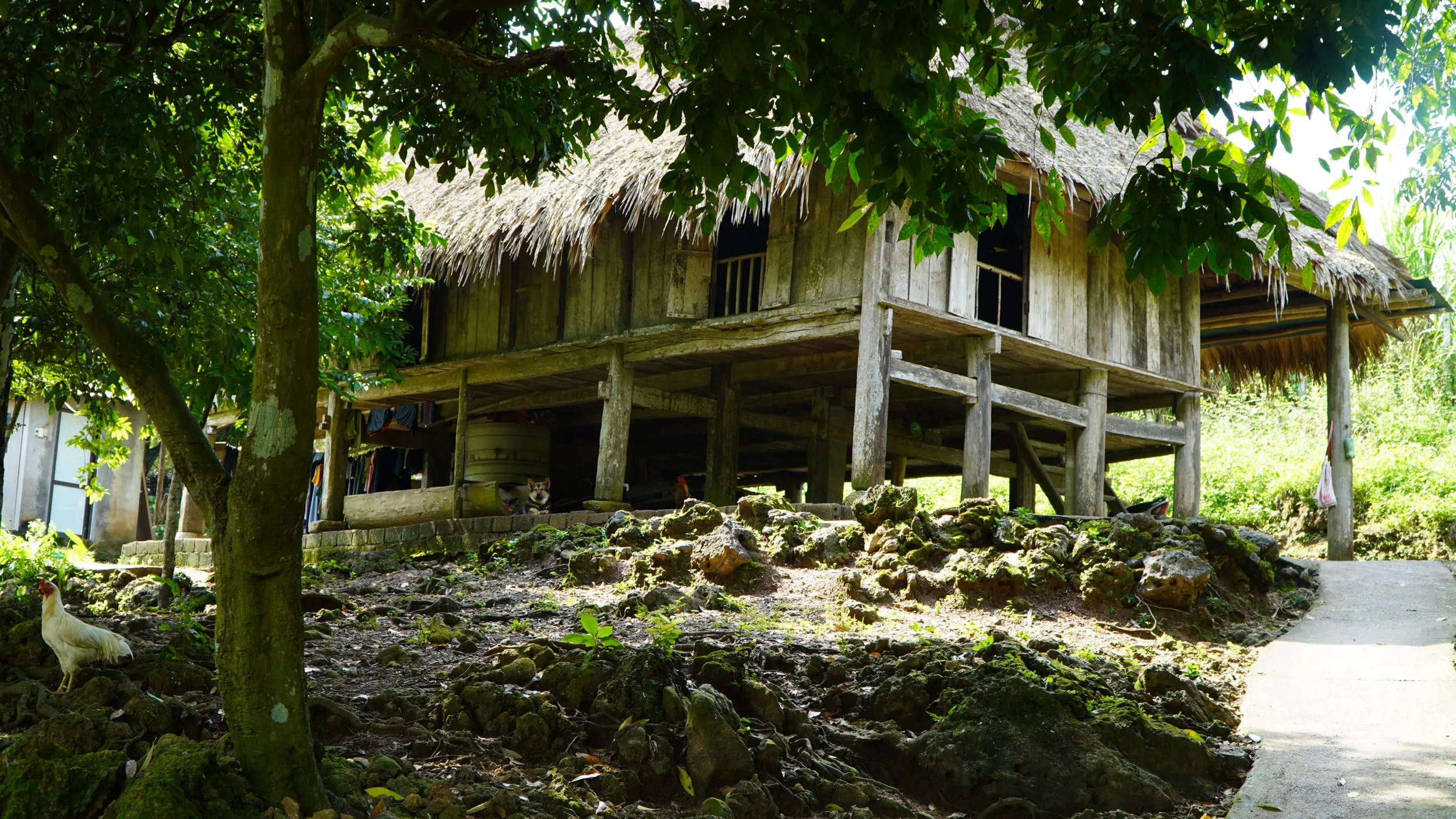
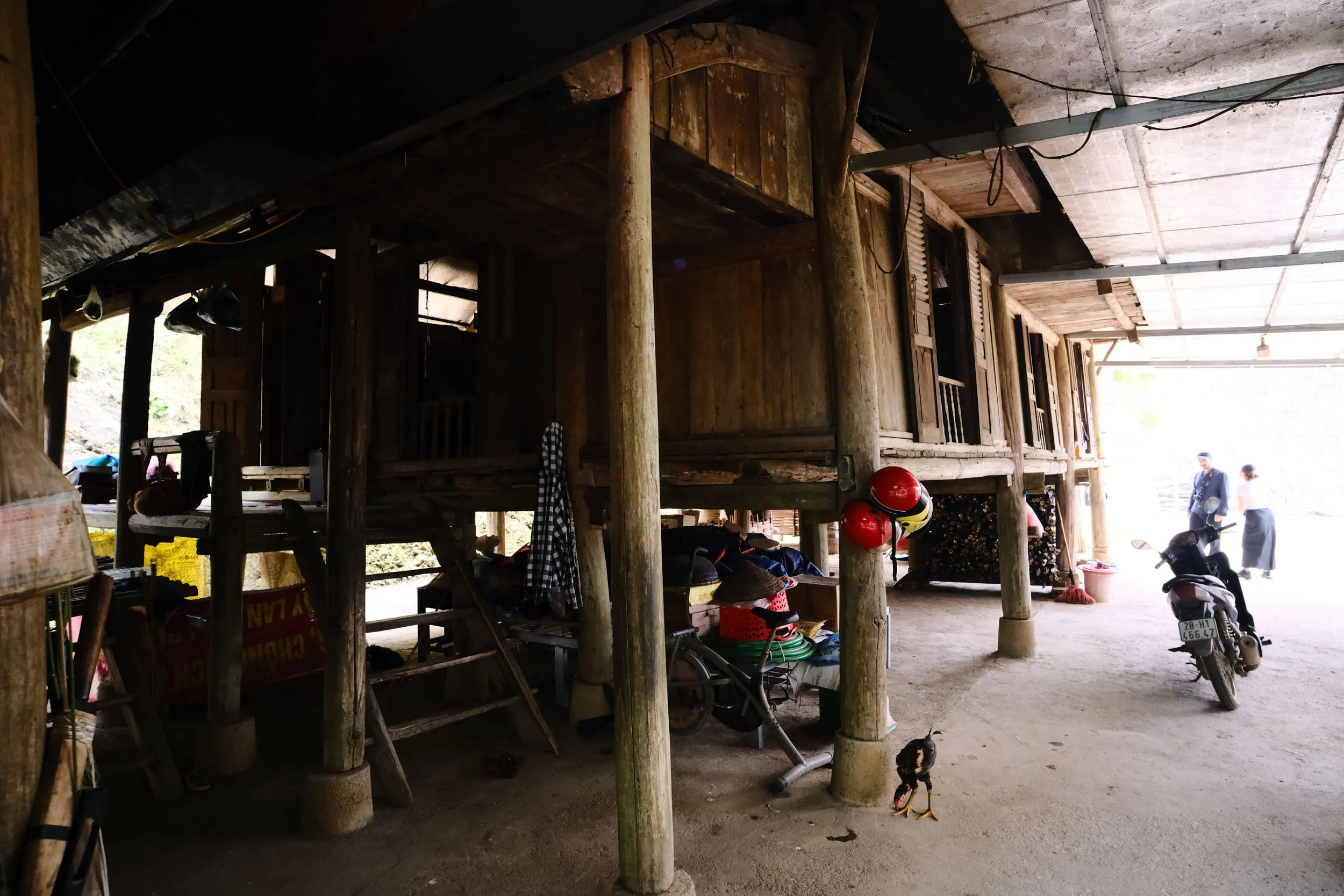
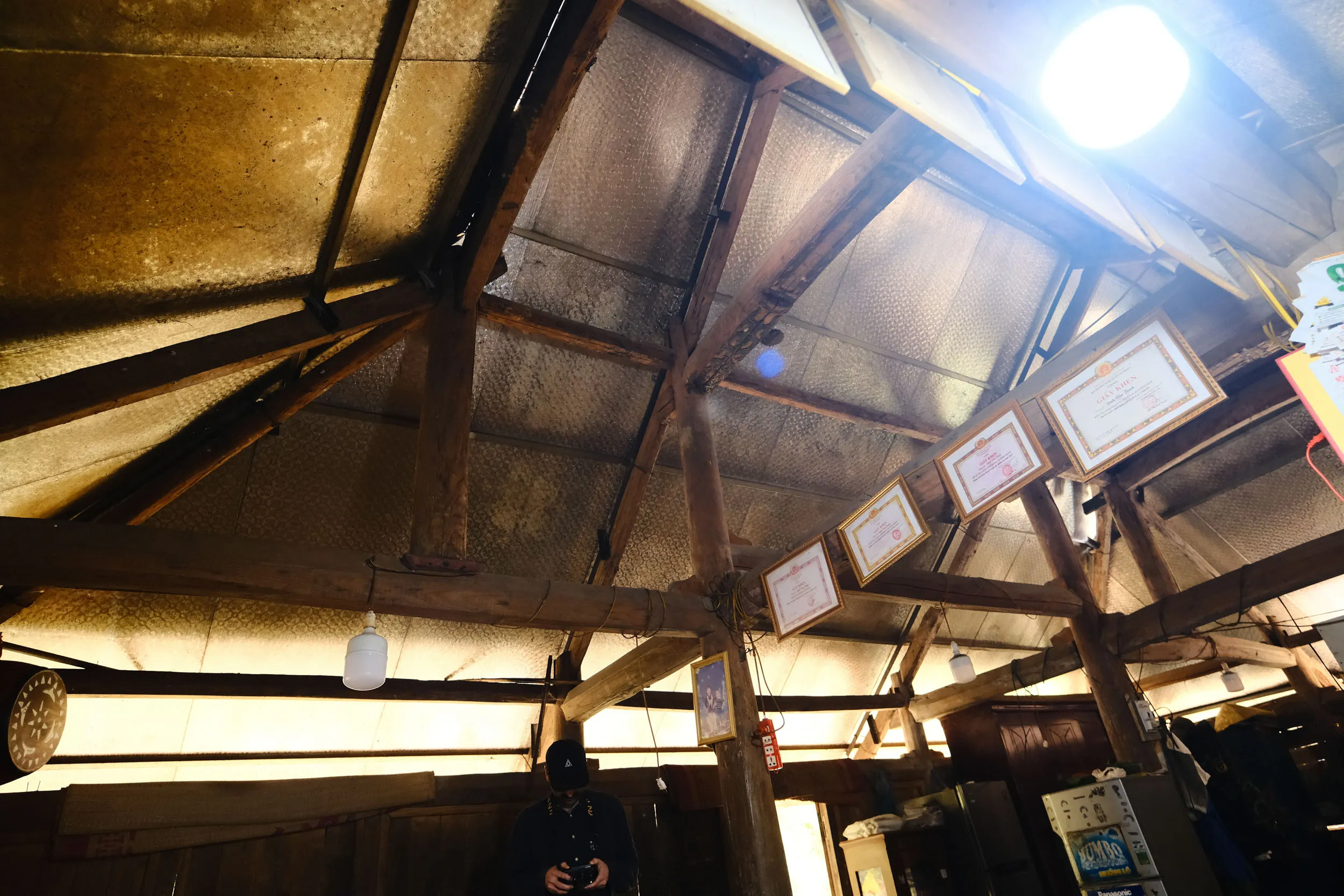
Muong House Made in Concrete, Painted as wood
Traditional Mường houses were historically built from timber harvested from surrounding forests, but with forest access now restricted and timber no longer available, many families have rebuilt their homes in concrete. Yet these new concrete houses often reproduce the same forms, proportions, and visual details of the former timber structures, preserving the memory of construction techniques even as the original material practice disappears.
Perception of Construction with Nature-based Materials
Natural building materials in Vietnam are perceived through a mix of genuine interest and pragmatic skepticism. It is acknowledged that people could appreciate the aesthetic, cultural, and ecological value of natural materials, yet such materials will remain a "small niche" compared to reinforced concrete for the foreseeable future, due to barriers around cost, entrenched habits of thinking, and technical reliability (particularly load-bearing capacity and resistance to extreme weather). Scientific test data is seen as the decisive factor in dispelling doubts, while "iconic buildings" repeatedly come up as the only real path toward wider adoption of natural materials, not government policy. An interview with the project developer was conducted, showing many insights into the use of nature-based materials in Vietnam context.
Ethnic Context & Vernacular Techniques
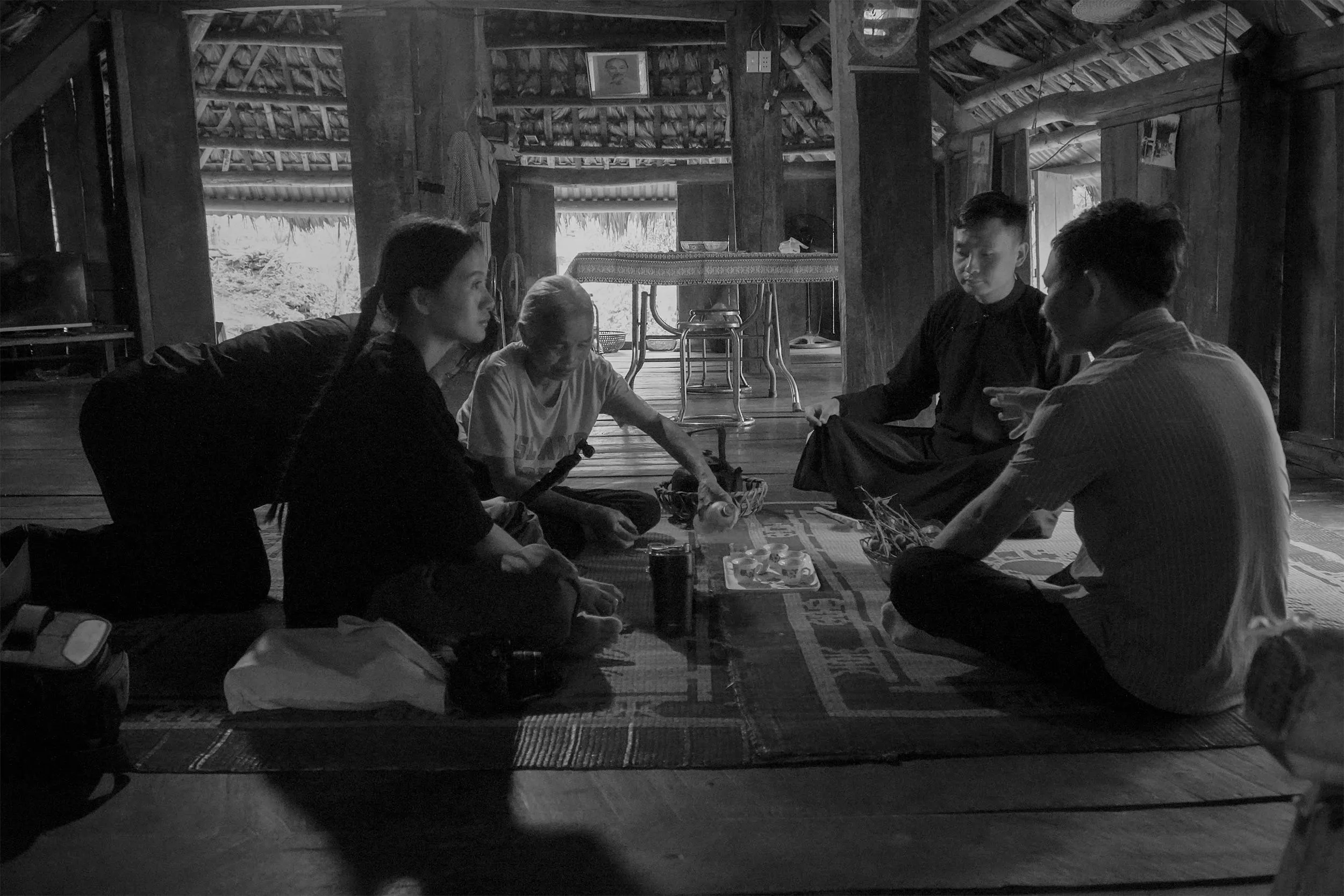
The vernacular architecture of ethnic minority communities in northern Vietnam is closely connected to geography, climate, livelihood, and cultural identity. Many ethnic minority groups living in mountainous regions traditionally construct wooden stilt houses raised on columns. This elevated structure responds to both environmental and practical needs: it protects the living space from damp ground conditions, reduces vulnerability to wild animals, and creates a sheltered area beneath the house for livestock. Through its material use, structural logic, and spatial organization, the stilt house reflects a way of living shaped by mountainous terrain, forest resources, and close relationships between domestic life, agriculture, and animal husbandry.Traditional Mường stilt houses in Cao Phong were historically built from forest-based materials, especially durable hardwoods such as đinh, lim, sến and táu for columns, beams, and structural frames. These woods were selected for their strength and resistance to moisture, termites, and decay, particularly because timber posts were often embedded deep into the ground. Tung oil, or dầu trẩu, pressed from Vernicia species native or cultivated in northern Vietnam, is a regionally significant natural oil known for its fast-drying and waterproofing properties.
Mường vernacular knowledge can be understood as a broader cultural ecology in which architecture, agriculture, ritual, and landscape are closely connected. The stilt house is one expression of this system, reflecting adaptation to mountainous terrain, humid ground conditions, forest resources, and domestic life with livestock and farming.
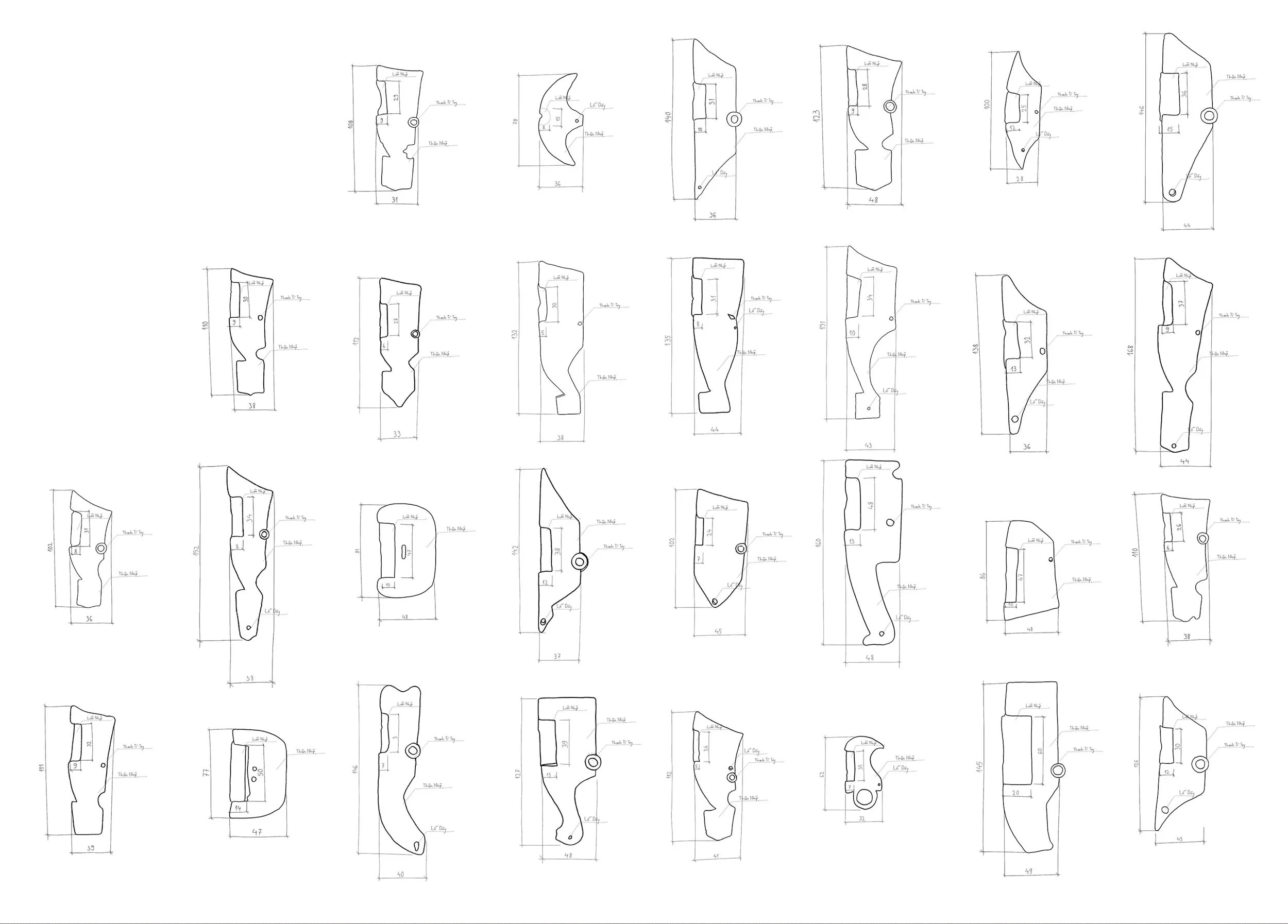
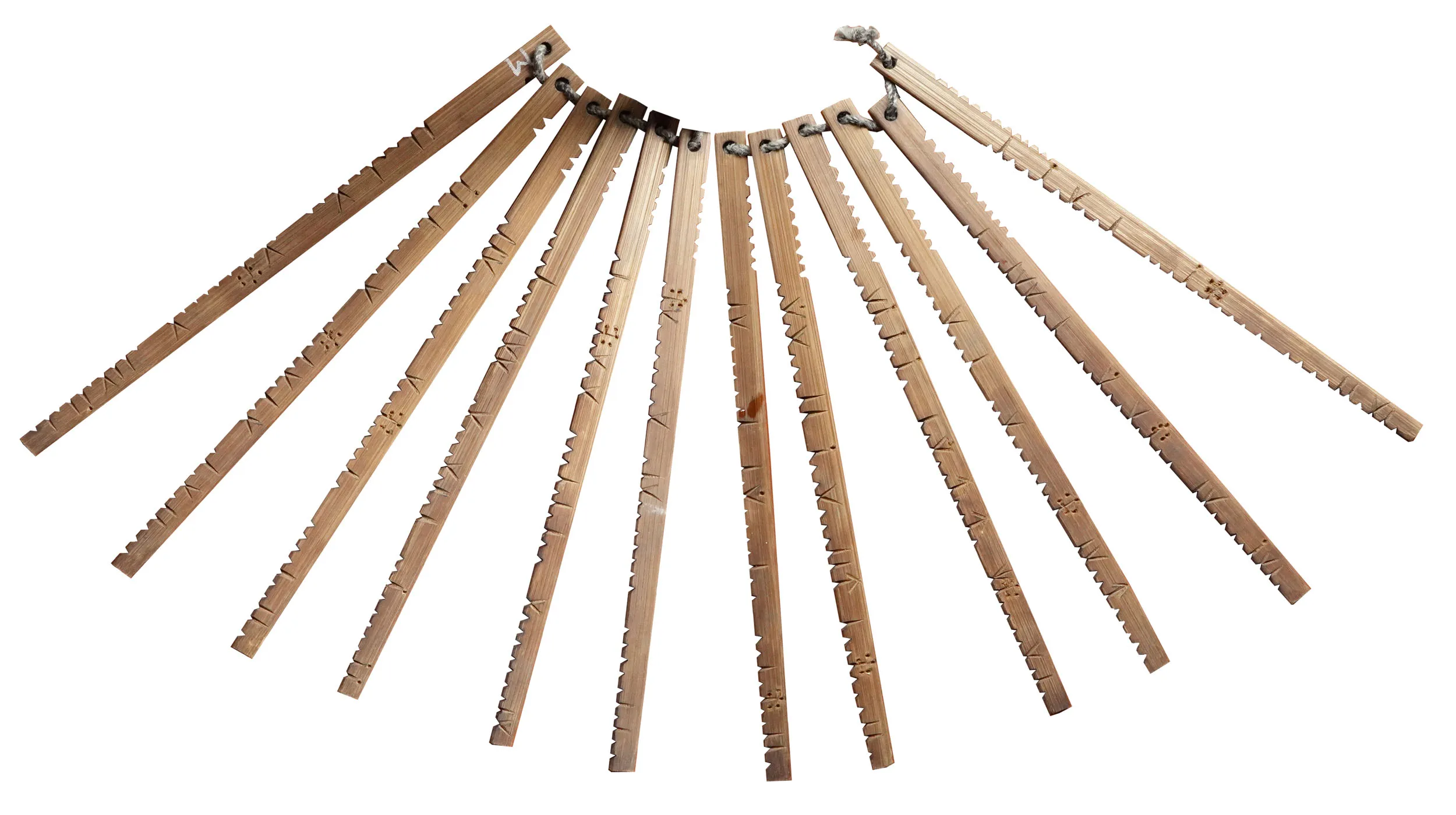
Beyond architecture, the Đoi calendar shows how the Mường organized time through observation of the Moon, stars, weather, and seasonal cycles, guiding activities such as planting, house building, weddings, travel, and funerary rites. Agricultural tools such as the “cái nhíp” further reveal how local knowledge was embedded in bodily movement, crop cultivation, and hand-crafted objects, even as some tools later shifted from practical use to ceremonial meaning. Ritual objects such as the “quạt ma”, made from bamboo sheath and waya bamboo, demonstrate how natural materials also carry spiritual significance, expressing filial piety, purification, and ancestral belief within funeral practices.
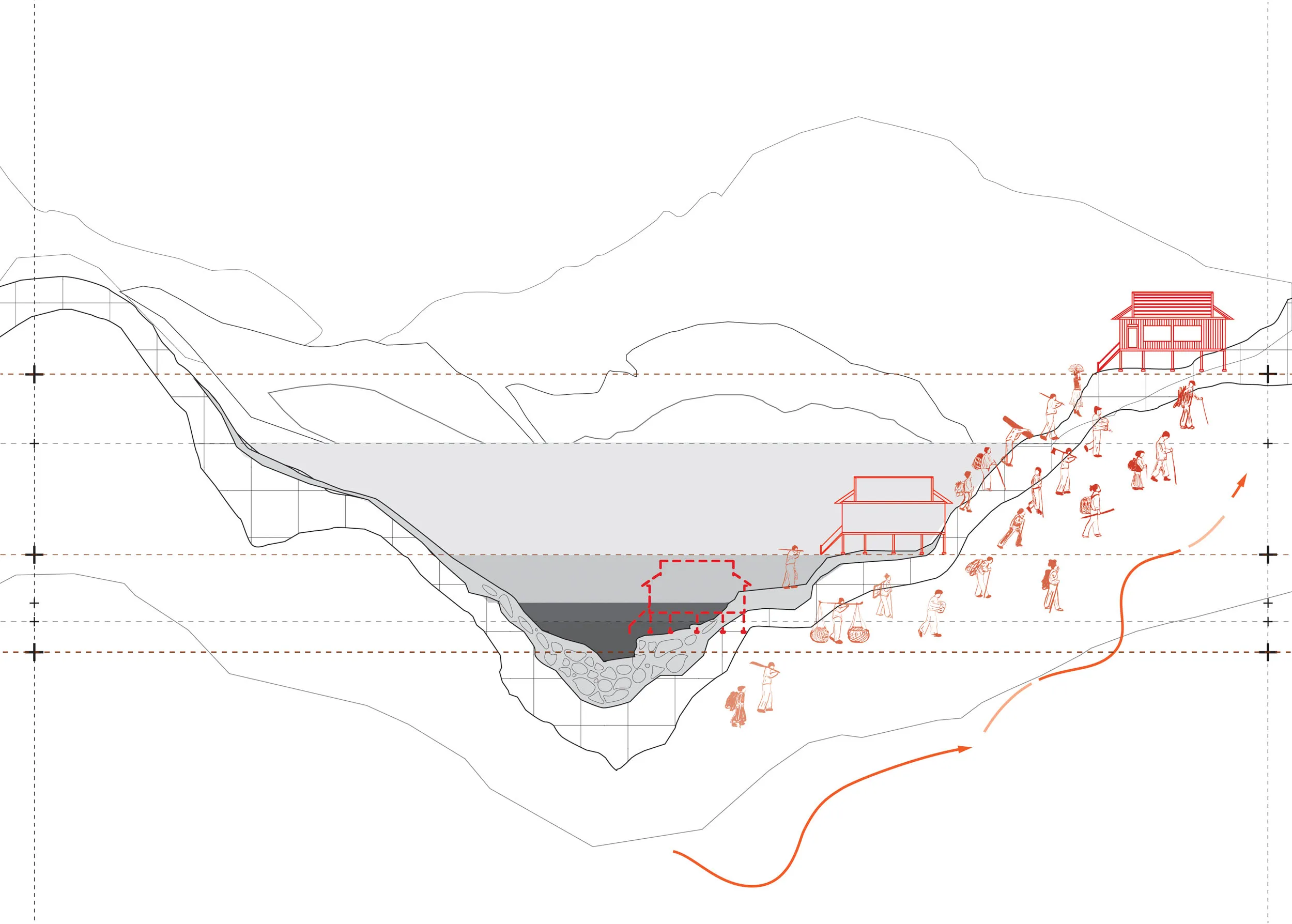
Together, these examples show that Mường material culture is not limited to construction techniques, but forms a living system of dwelling, farming, ritual care, ecological adaptation, and cultural memory. In Cao Phong, where hydropower development and landscape transformation have displaced older patterns of settlement, this knowledge becomes an important archive of how the Mường people have historically lived with and made meaning from their environment.
.webp)
.webp)
.webp)
Ecology-
Environment
Ecology-Environment
Land Use History and Environmental Degradation
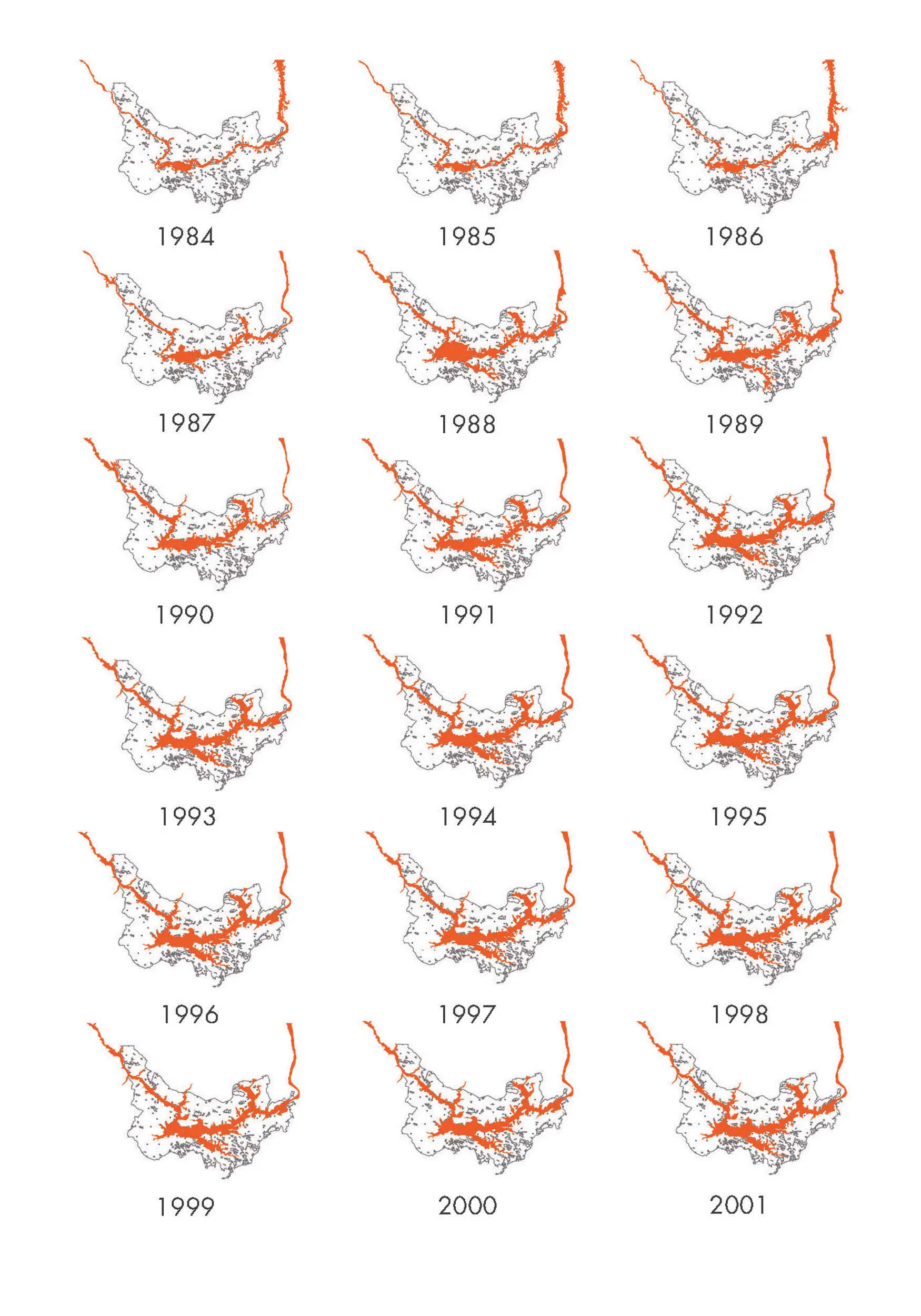
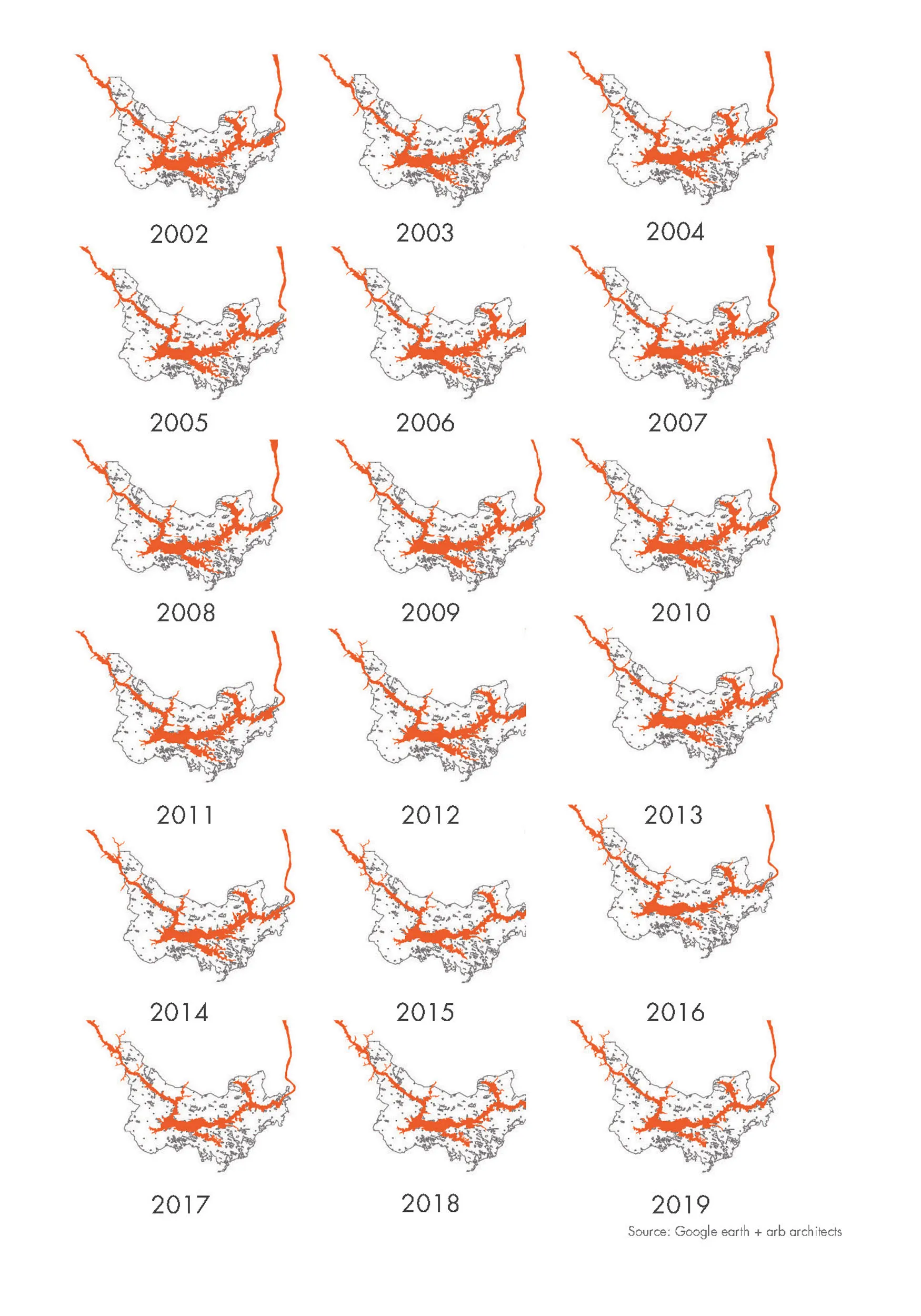
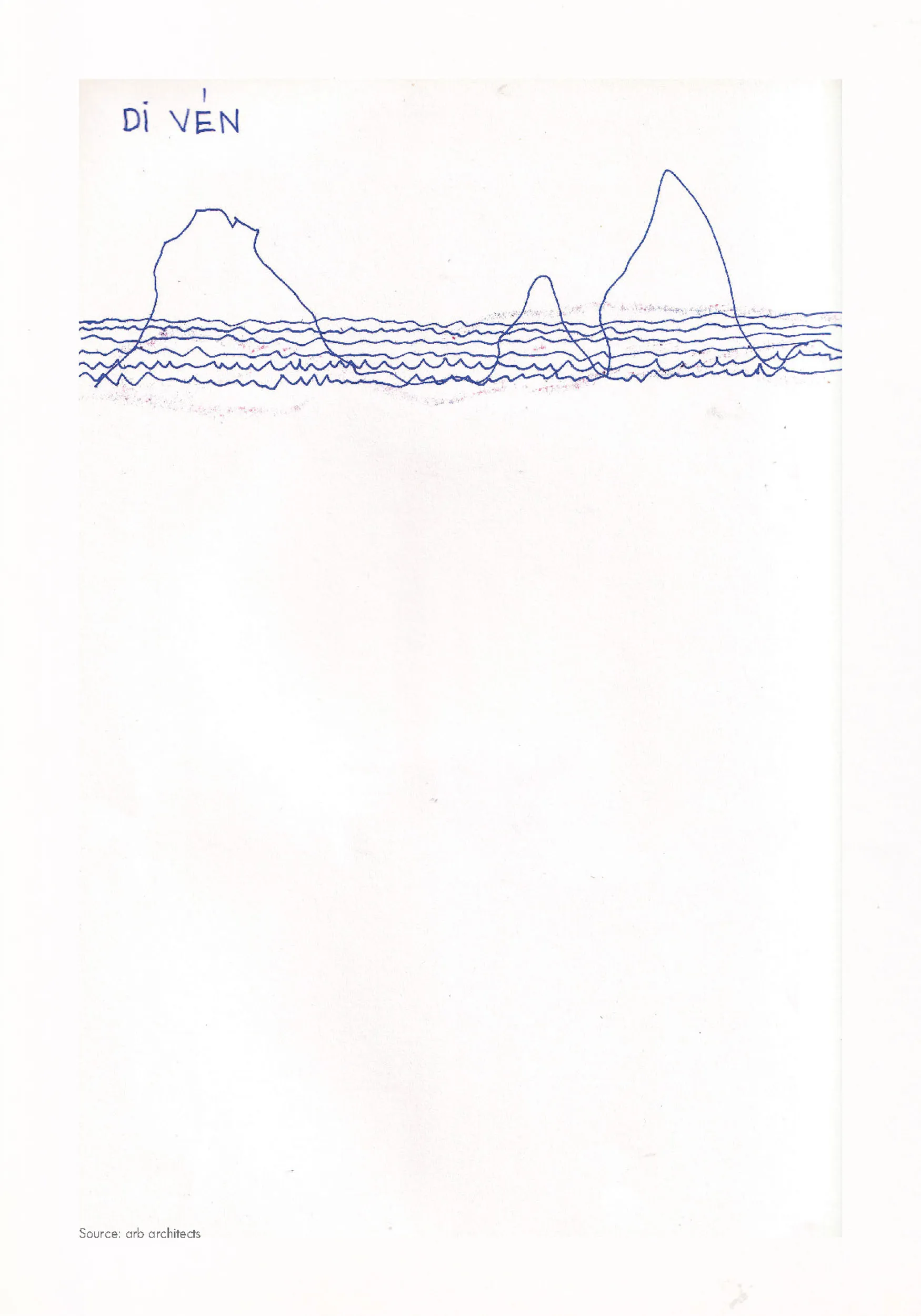
Cao Phong’s landscape has been shaped by overlapping histories of deforestation, agricultural expansion, hydropower displacement, and ecological restoration. Most forests in the project area were cleared before 1980 under national agricultural policies, and intensive cultivation on sloped terrain accelerated soil degradation, leaving abandoned land that gradually became grassland and shrubland. Local communities later used these degraded areas for livestock grazing, fuelwood collection, and occasional slash-and-burn cultivation of maize, cassava, and sugarcane. At the same time, the broader Đà River basin was transformed by the Hòa Bình Dam, built between 1979 and 1994, which flooded approximately 20,800 hectares and displaced around 58,000 people, many of them Mường and other ethnic minority communities. This resettlement disrupted river-based livelihoods, agricultural land use, forest access, village life, and local ecological systems, while increasing pressure on common lands and surrounding forests. In response to degraded land conditions, the Cao Phong reforestation project proposed planting Acacia mangium and Acacia auriculiformis, species selected for their tolerance of poor soils, their use in land rehabilitation, and their potential to support a regional timber economy. The project adopted a 15-year rotation as an alternative to short-rotation wood-chip plantations, since repeated short-term harvesting can remove soil nutrients and worsen degradation. However, the later expansion of Acacia monoculture also raises ecological concerns: dense Acacia plantations in hot and humid conditions can suppress understory growth, reduce species regeneration, simplify the landscape, and weaken forest biodiversity. Together, these conditions suggest the need to move beyond single-species forestry toward mixed native planting strategies that can better support long-term soil recovery, biodiversity, and landscape resilience.
Ecological Context
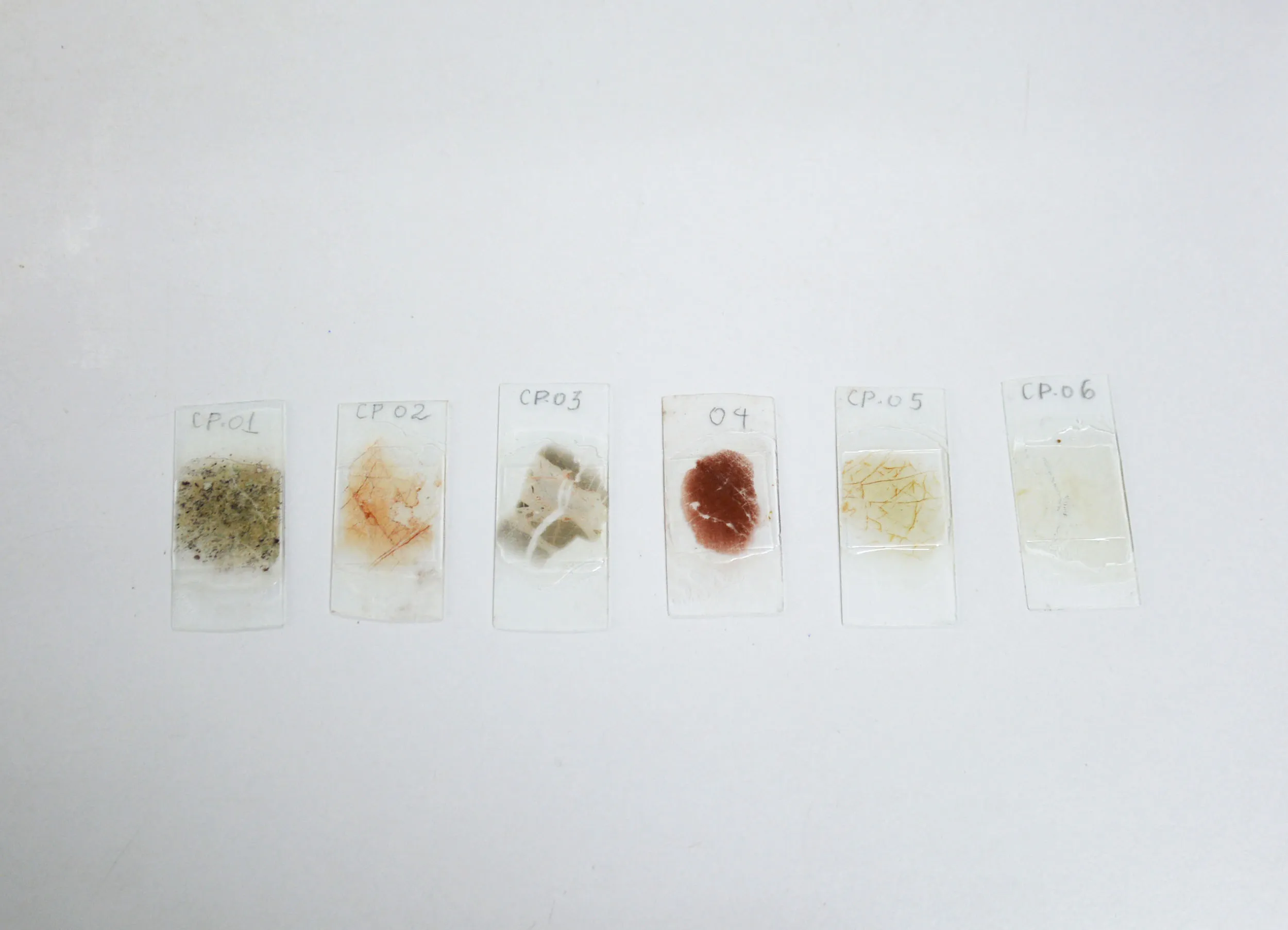
Fibers:
Pineapple Leaf Fiber, Rice Husk, Sugarcane Bagasse, Mulberry Paper (for plaster)
Biopolymers:
Tung Oil, Vietnamese Natural Lacquer (Sơn ta or Rhus succedaneum)
Specific Project Team
Technical Support:
Nguyễn Minh Vũ
Nguyễn Anh Quang
Ecological Consultant:
Trang Bio
MM Lab
Nguyễn Hà
Kim Hojung
Nguyễn Lê Minh Nhựt
Đoàn Duy Thái
Lê Quang Trường Giang
Vũ Tuấn Anh
arb architects
Nguyễn Hà
Phùng Xuyến
Trần Ngọc Quân
Bùi Doãn Huy
Vũ Mai Hồng
Nguyễn Thị Thùy Dương
Trần Tuấn Hưng
Volunteers
Phạm Thị Yến Anh
Vũ Hải Anh
Nguyễn Thị Hồng Huế
Ngụy Thị Hoa
Nguyễn Việt Anh
Bùi Trọng Vũ
Bauhaus Earth
Rosa Hanhausen